
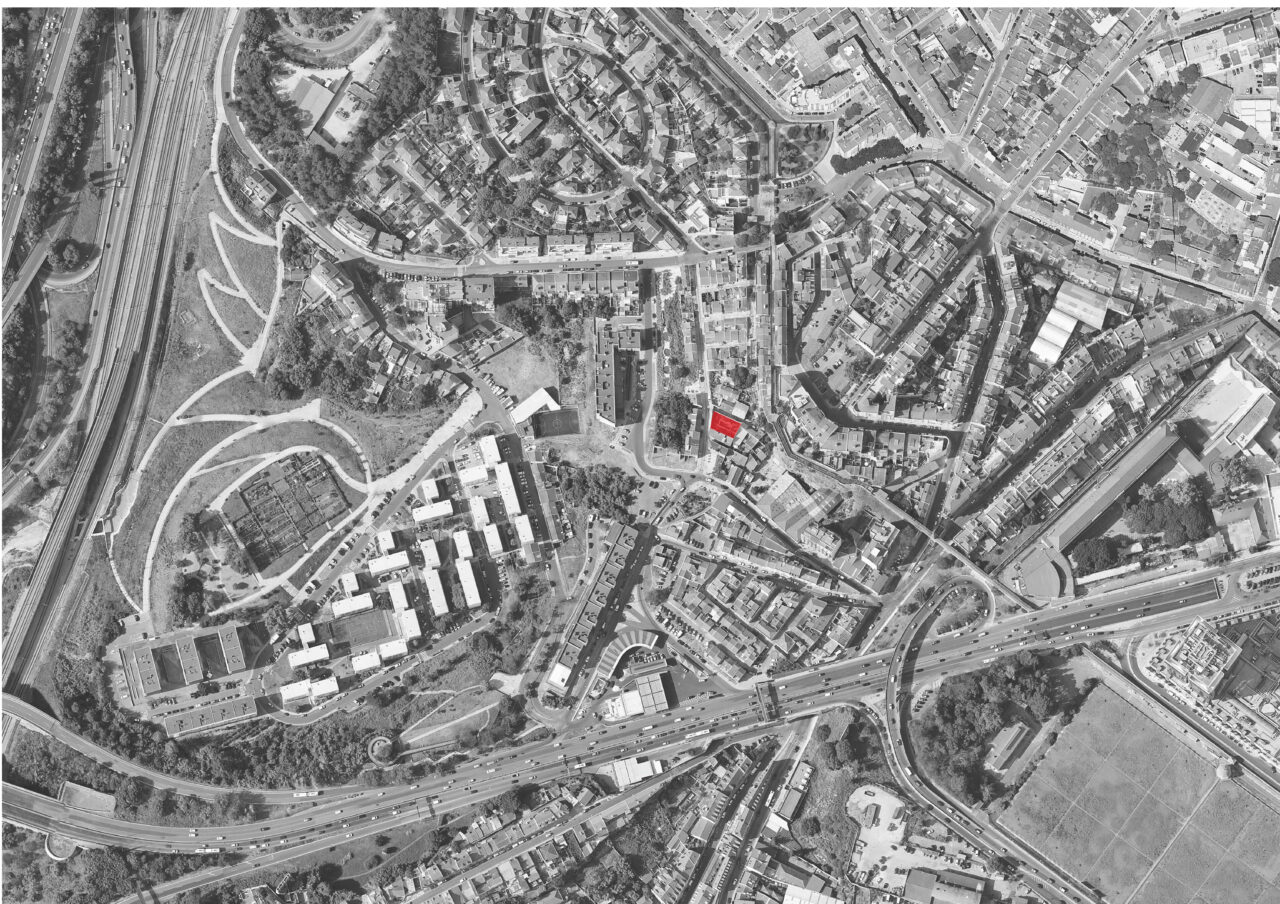
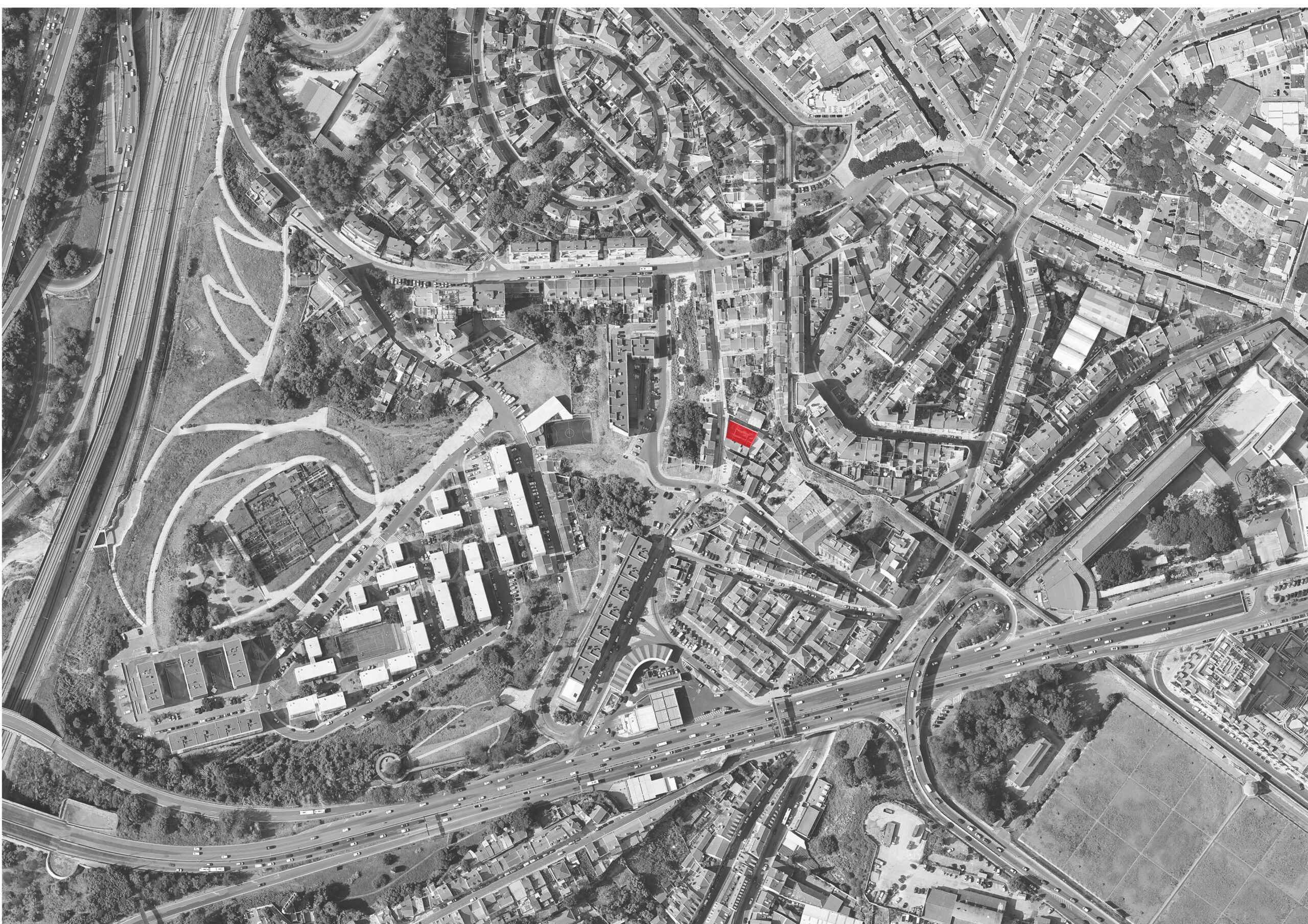
Site
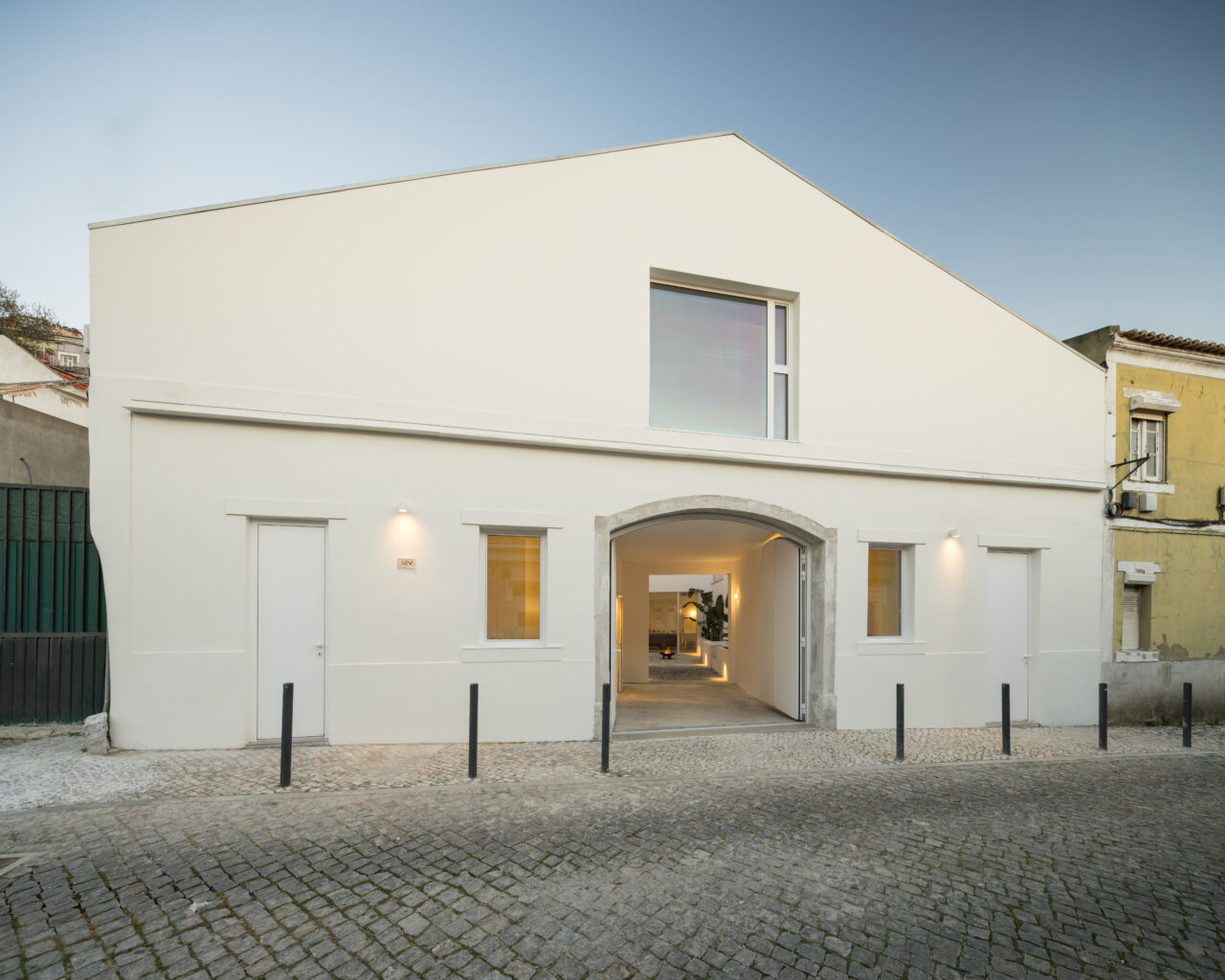
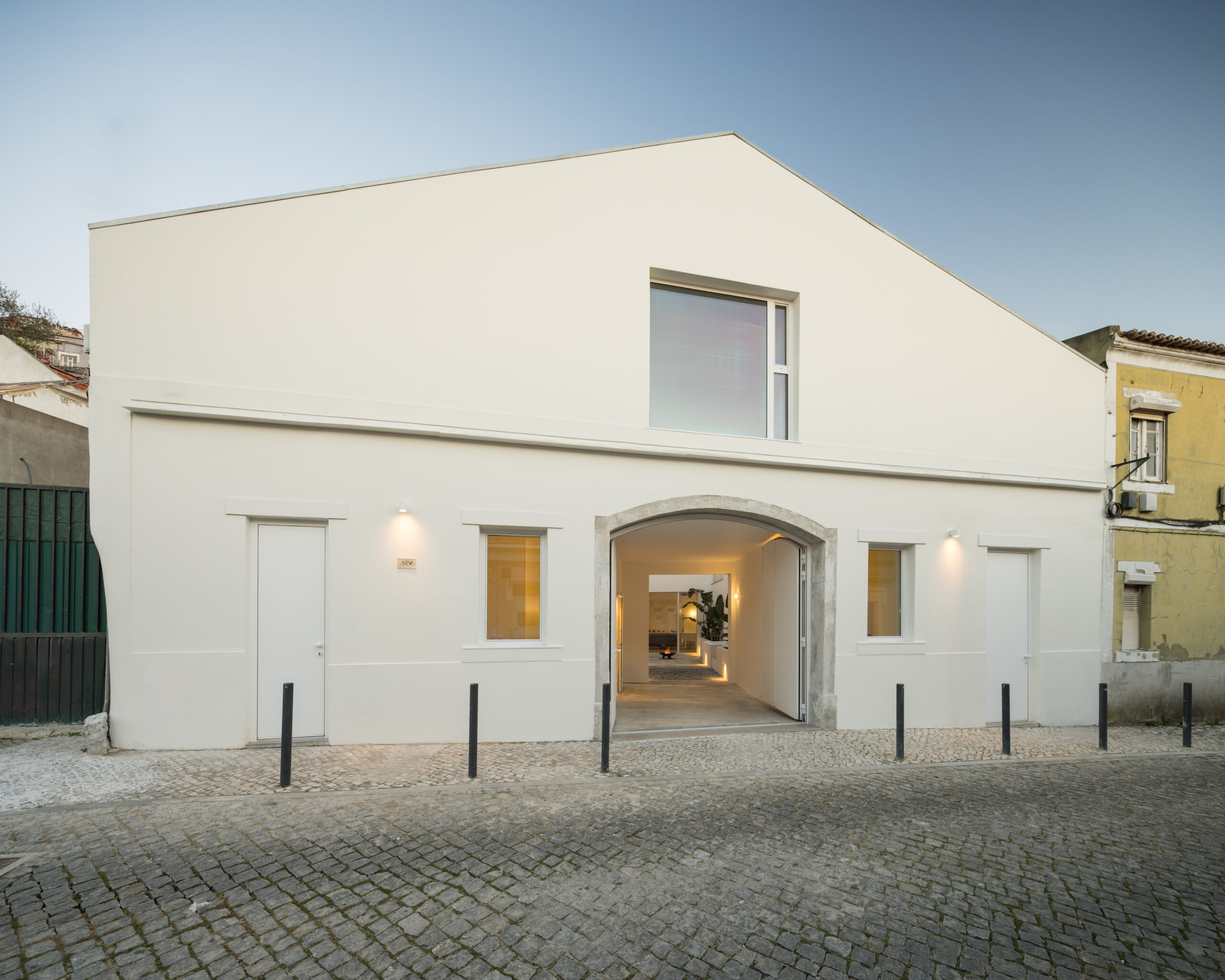
Completed
Completed
Completed
Completed
Completed
Completed
Completed
Completed
Completed
Completed
Completed
Completed
Completed
Completed
Completed
Completed
Completed
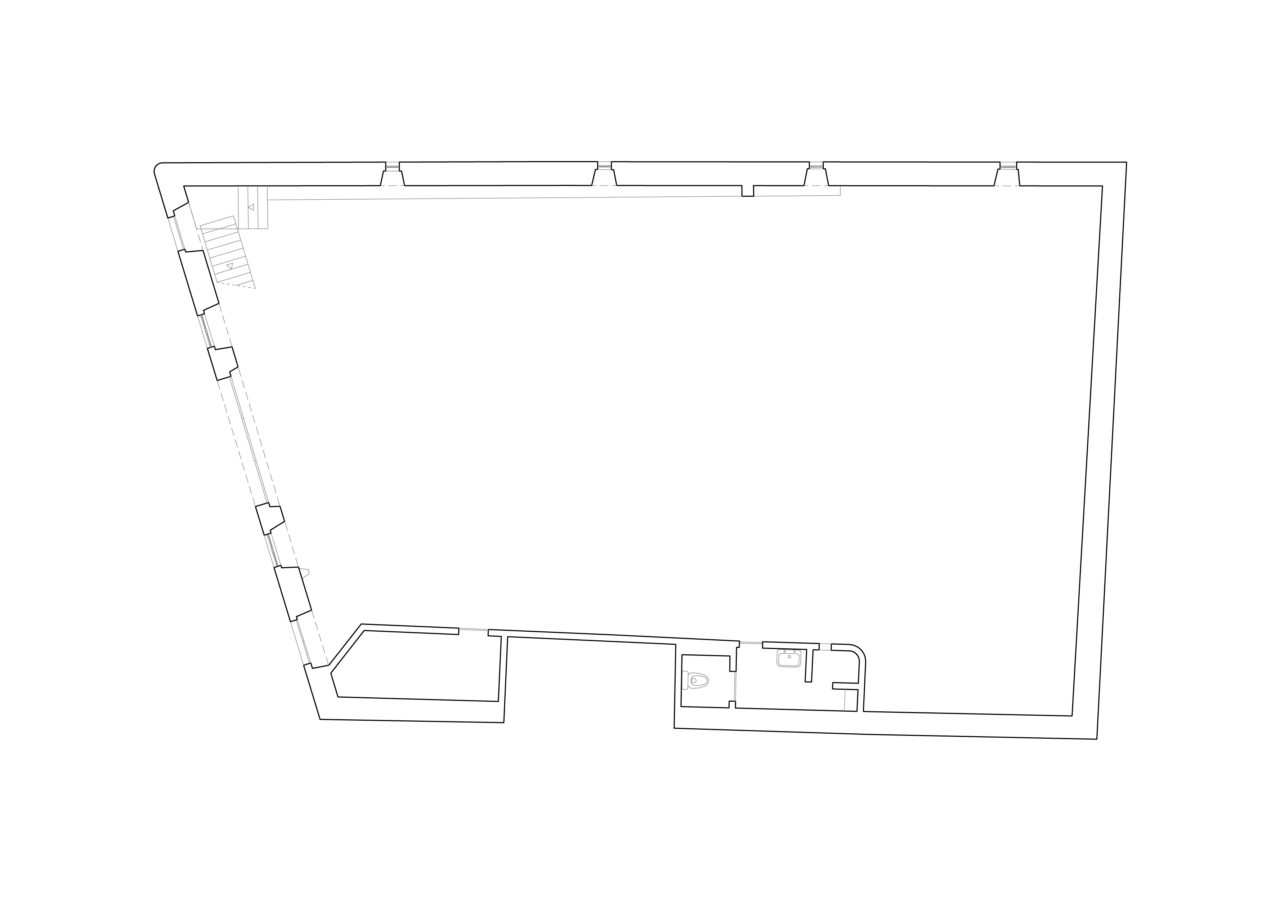
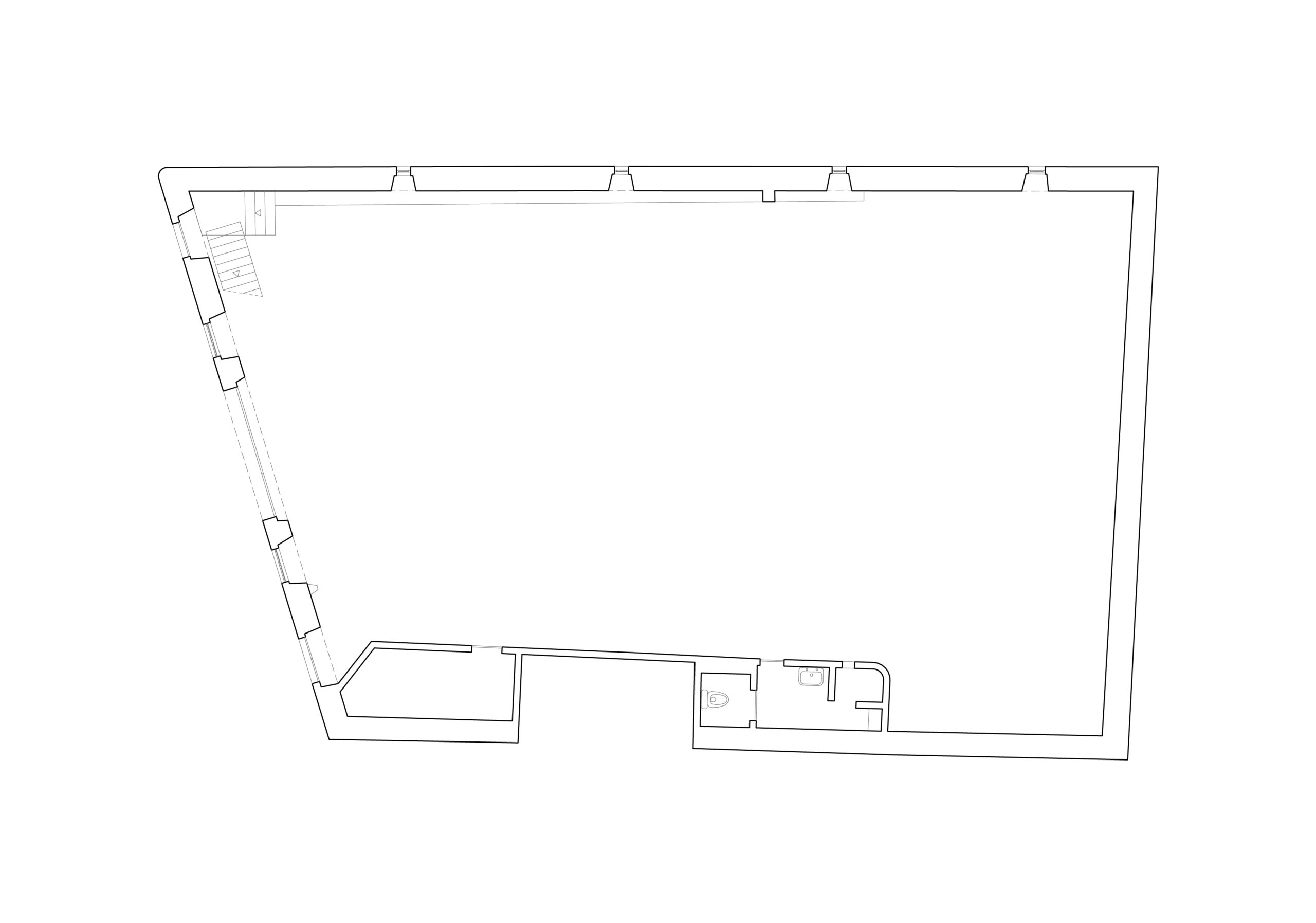
Existing Floor Plan
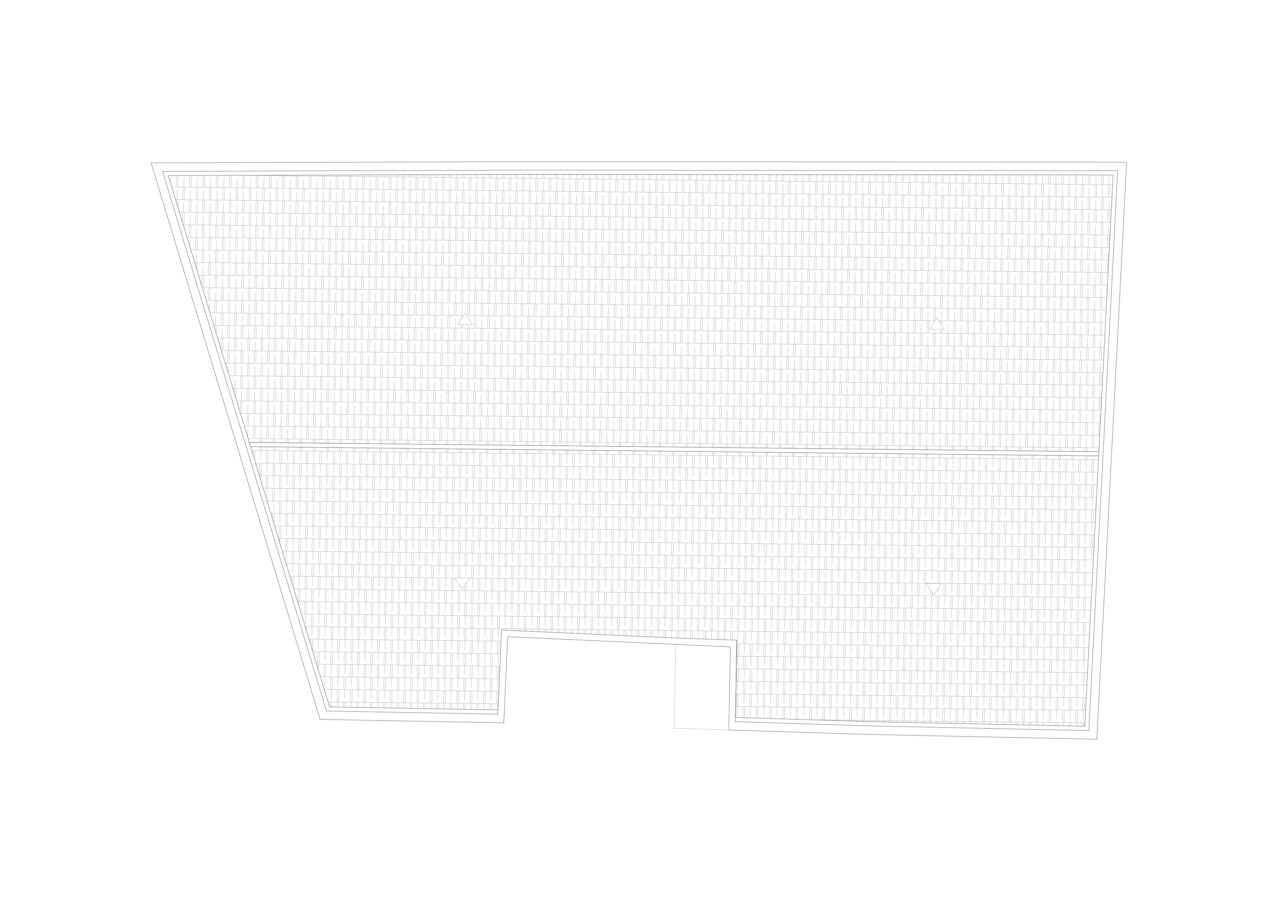
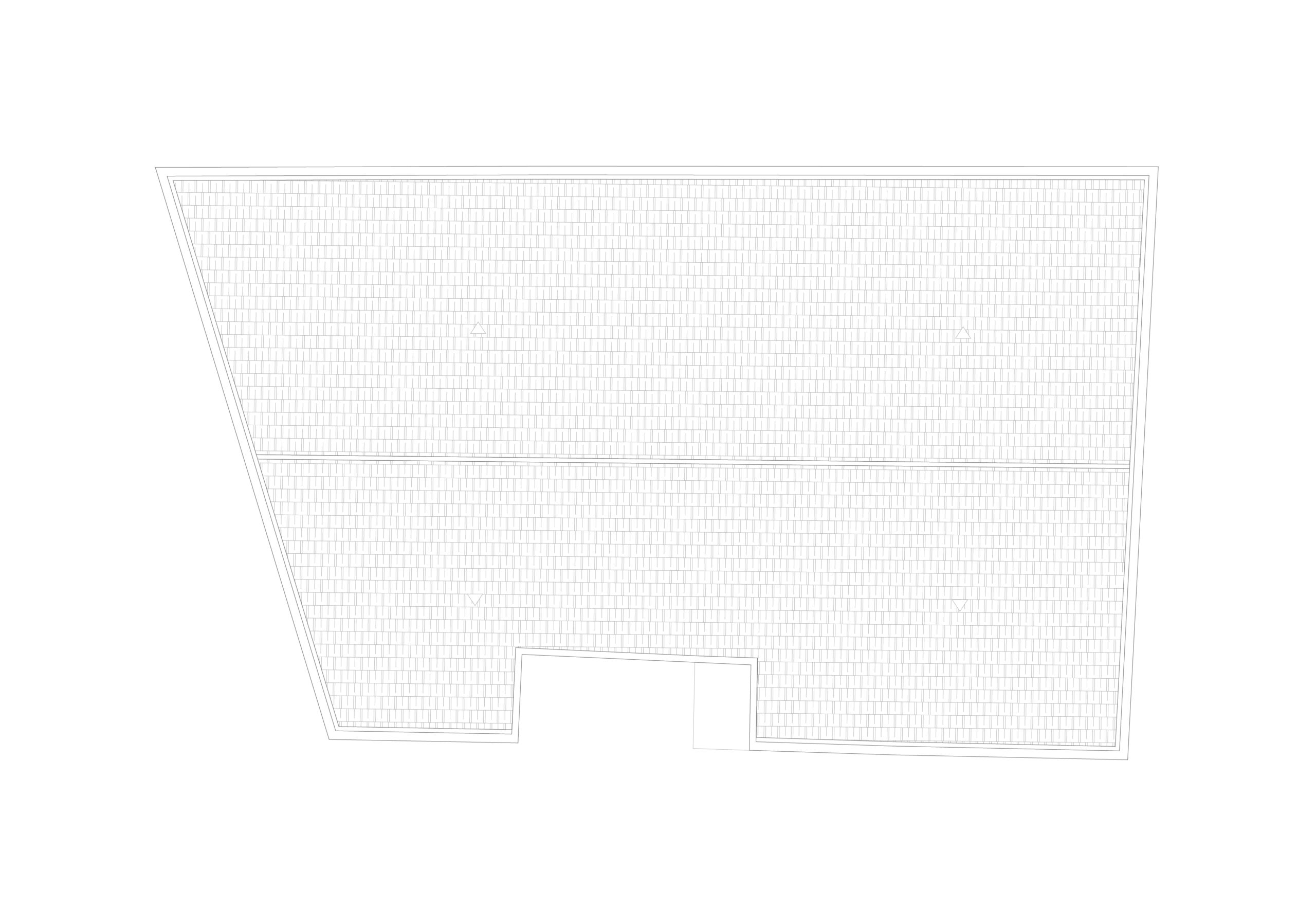
Existing Roof Plan
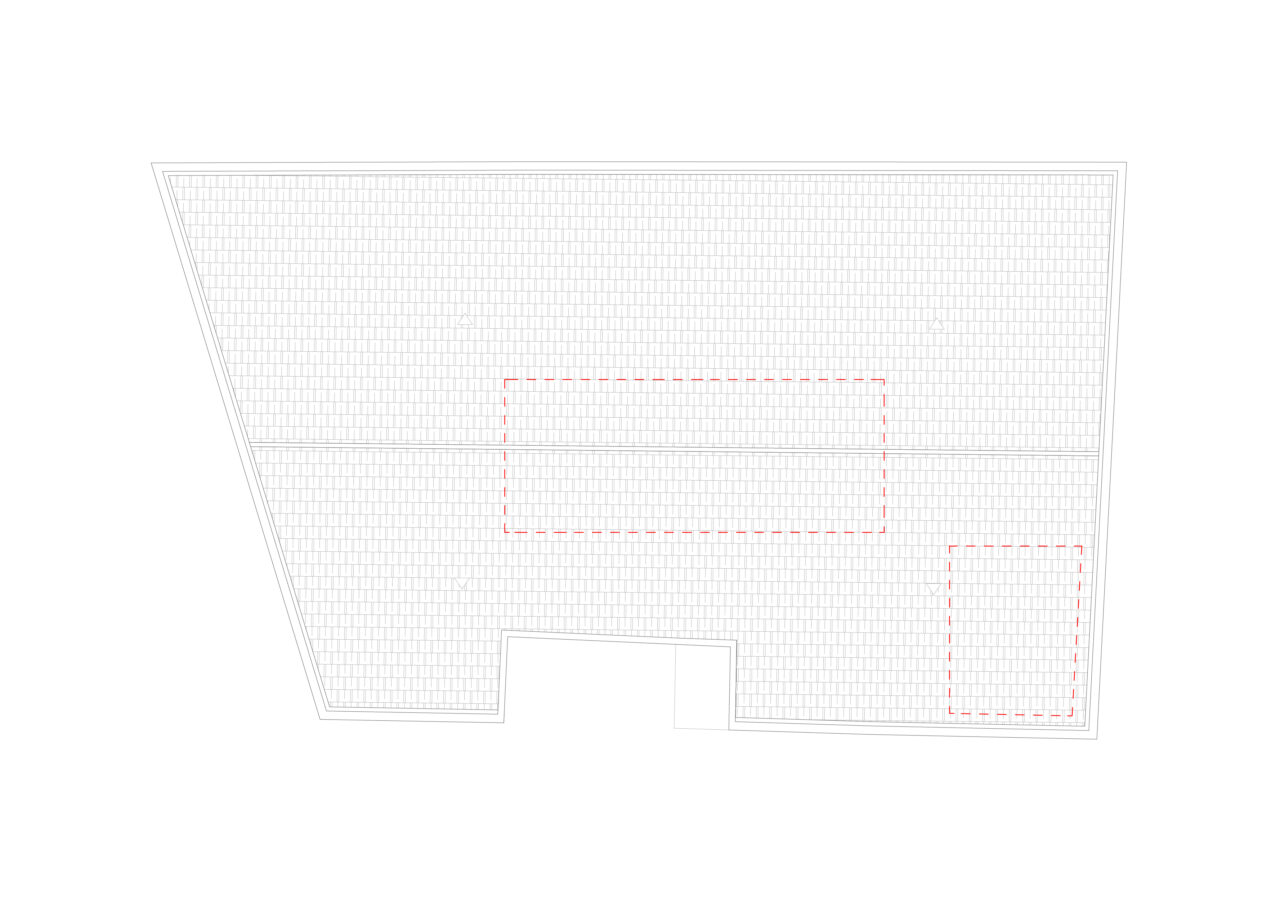
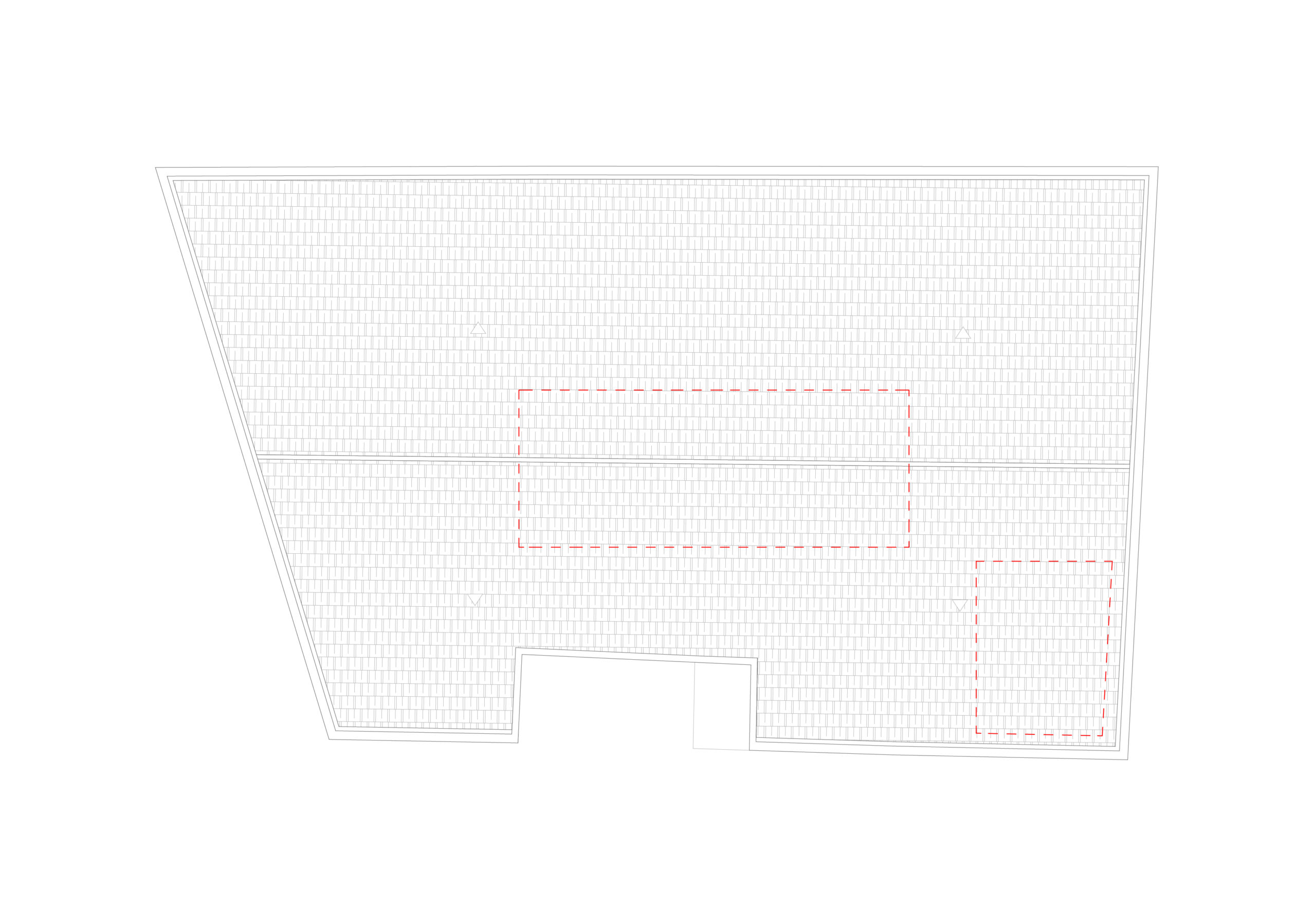
Existing - Intervention Scheme
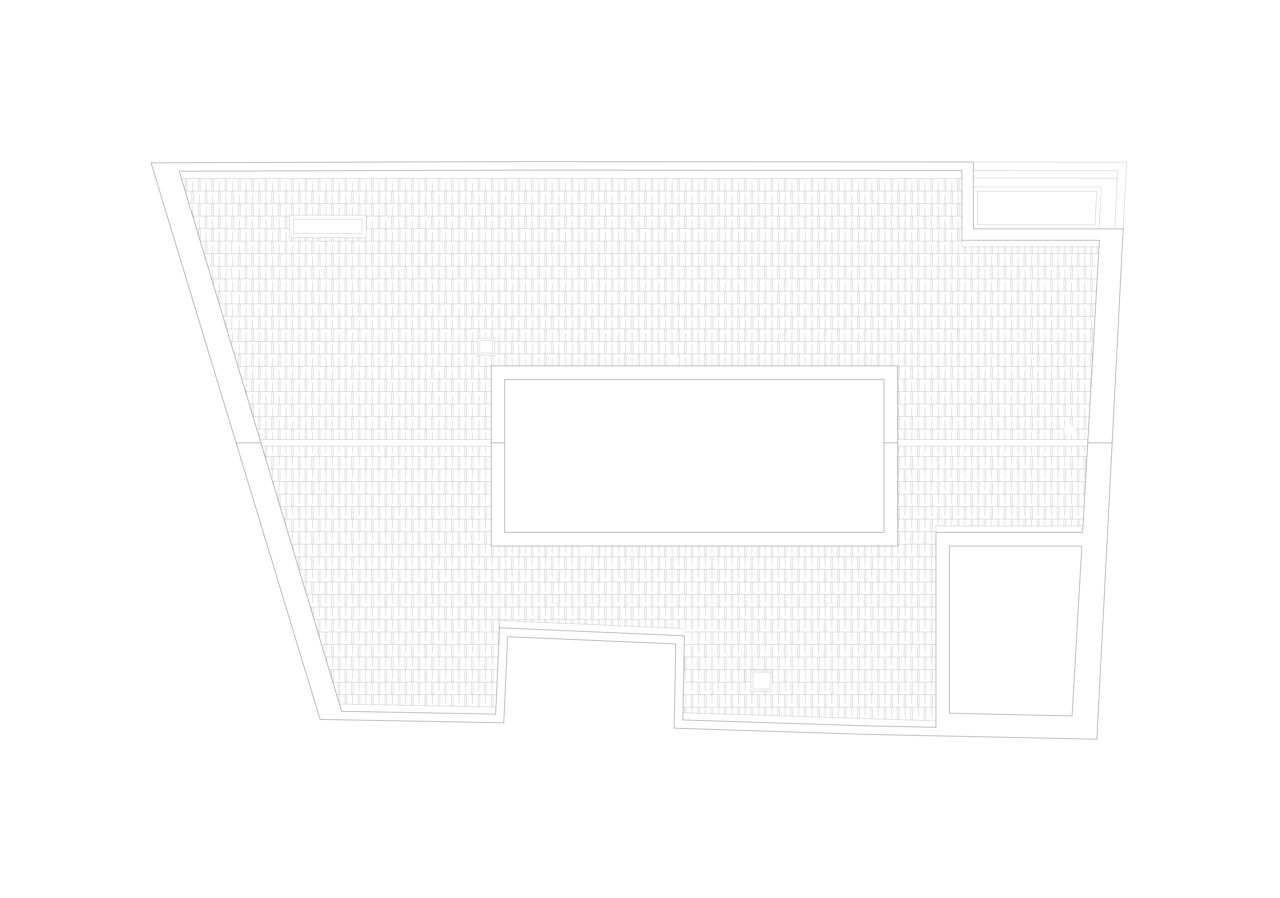
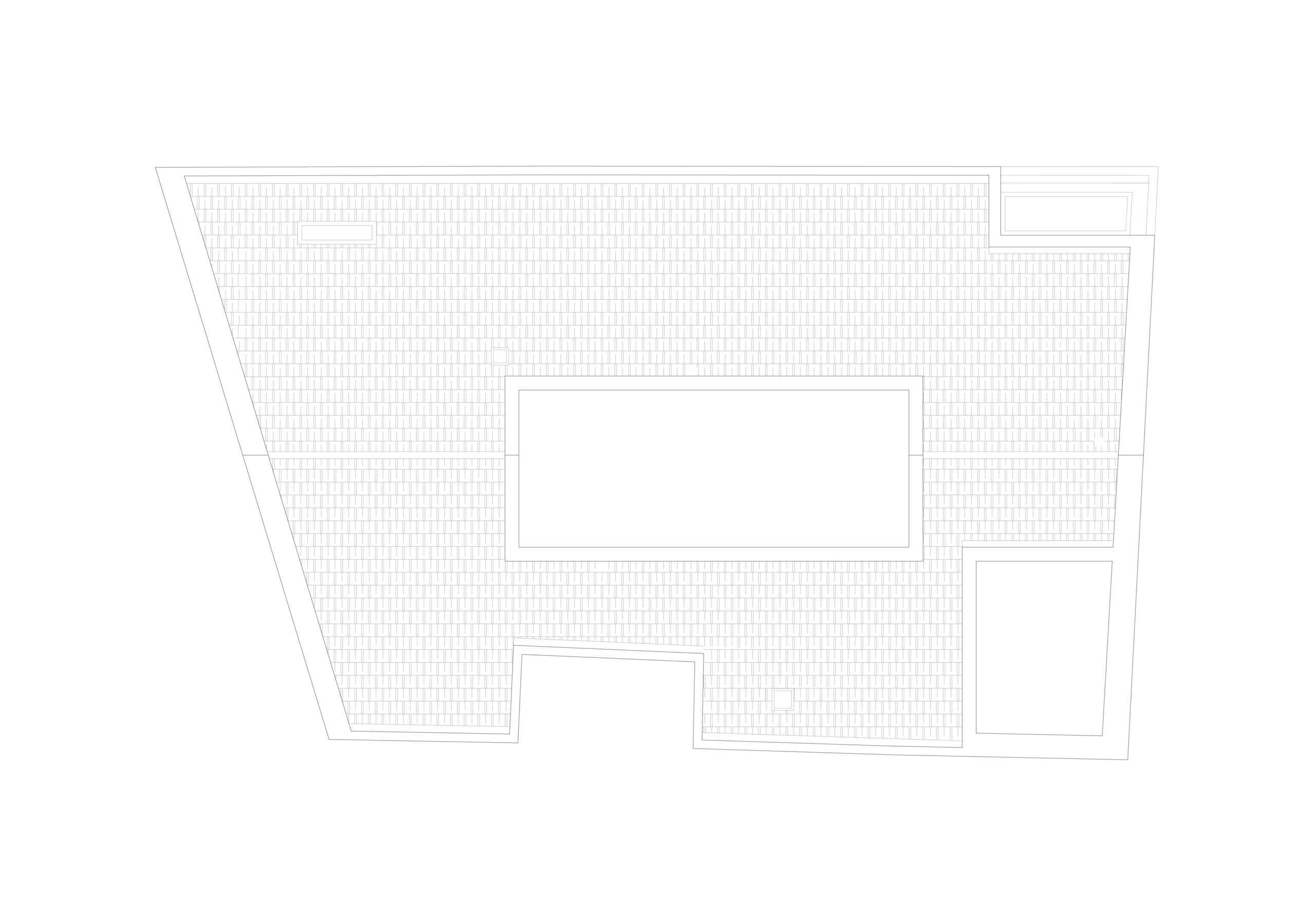
Roof Plan
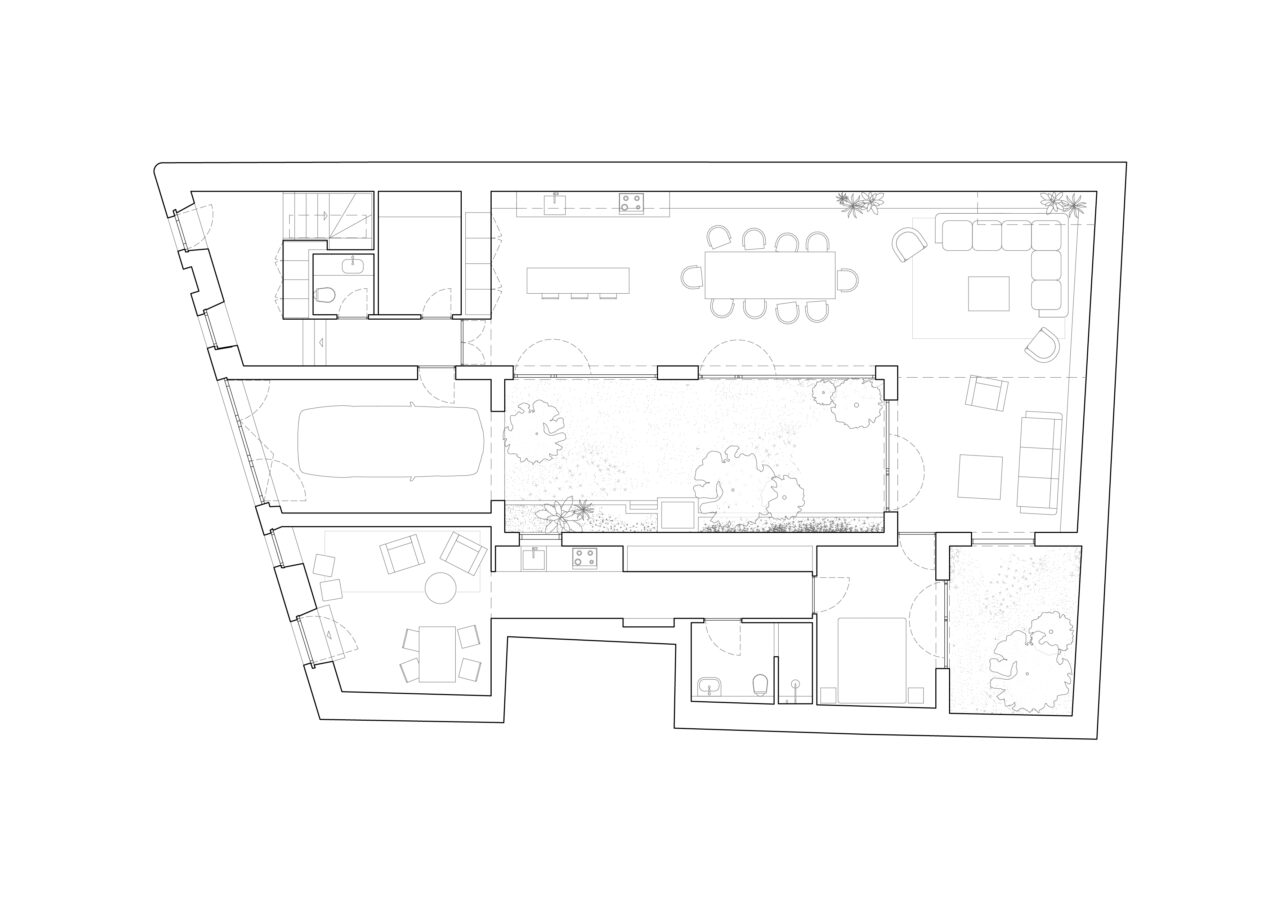
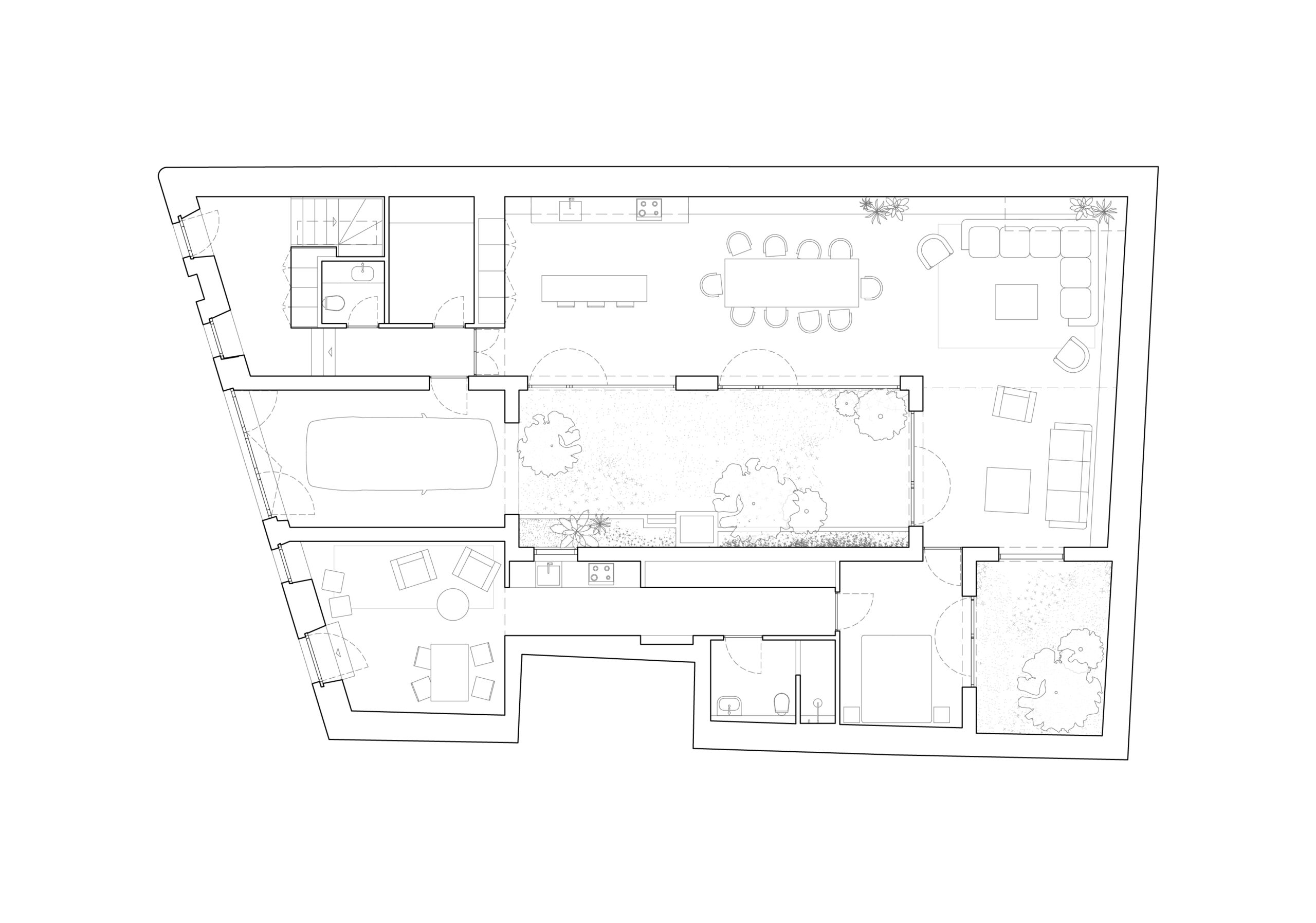
Ground Floor Plan
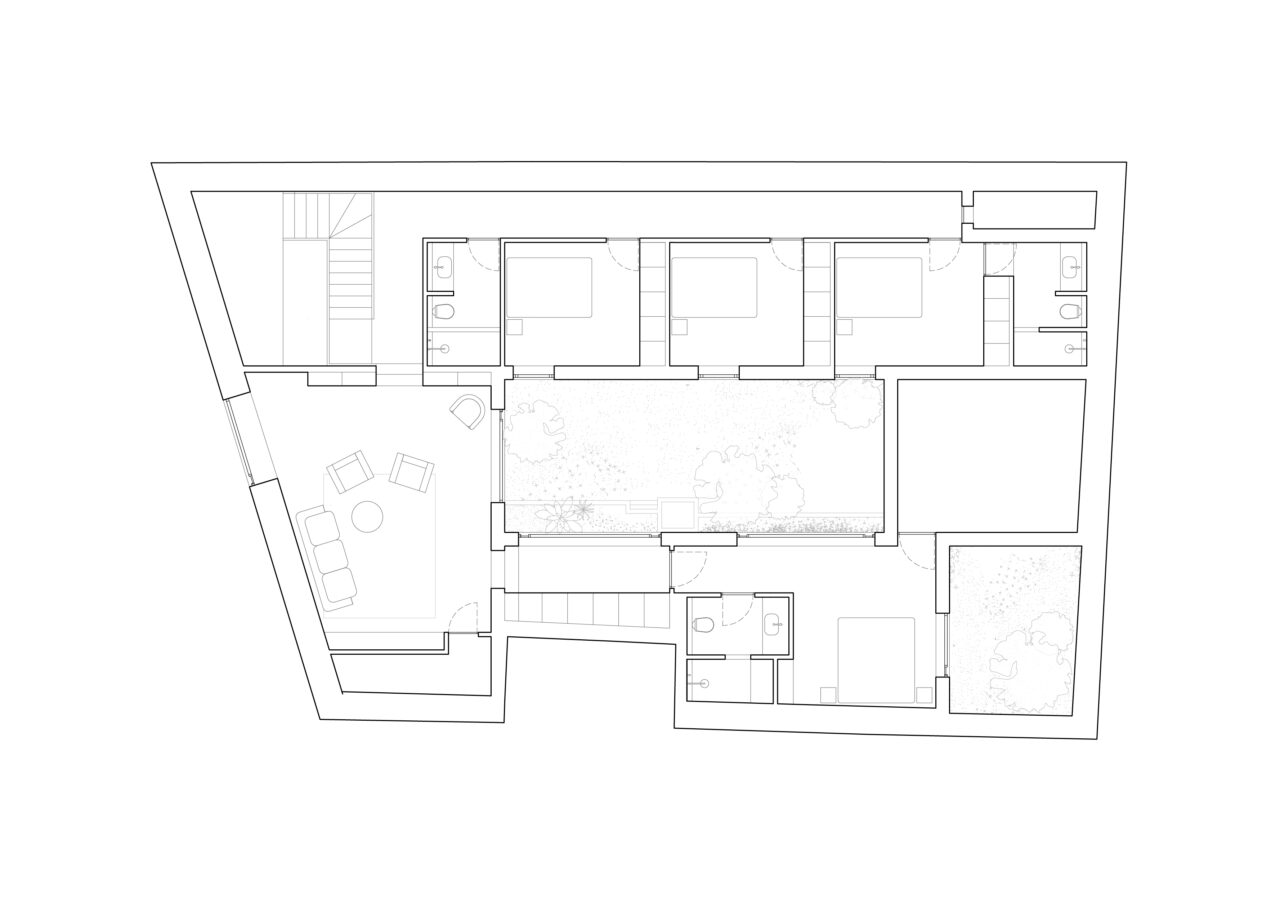
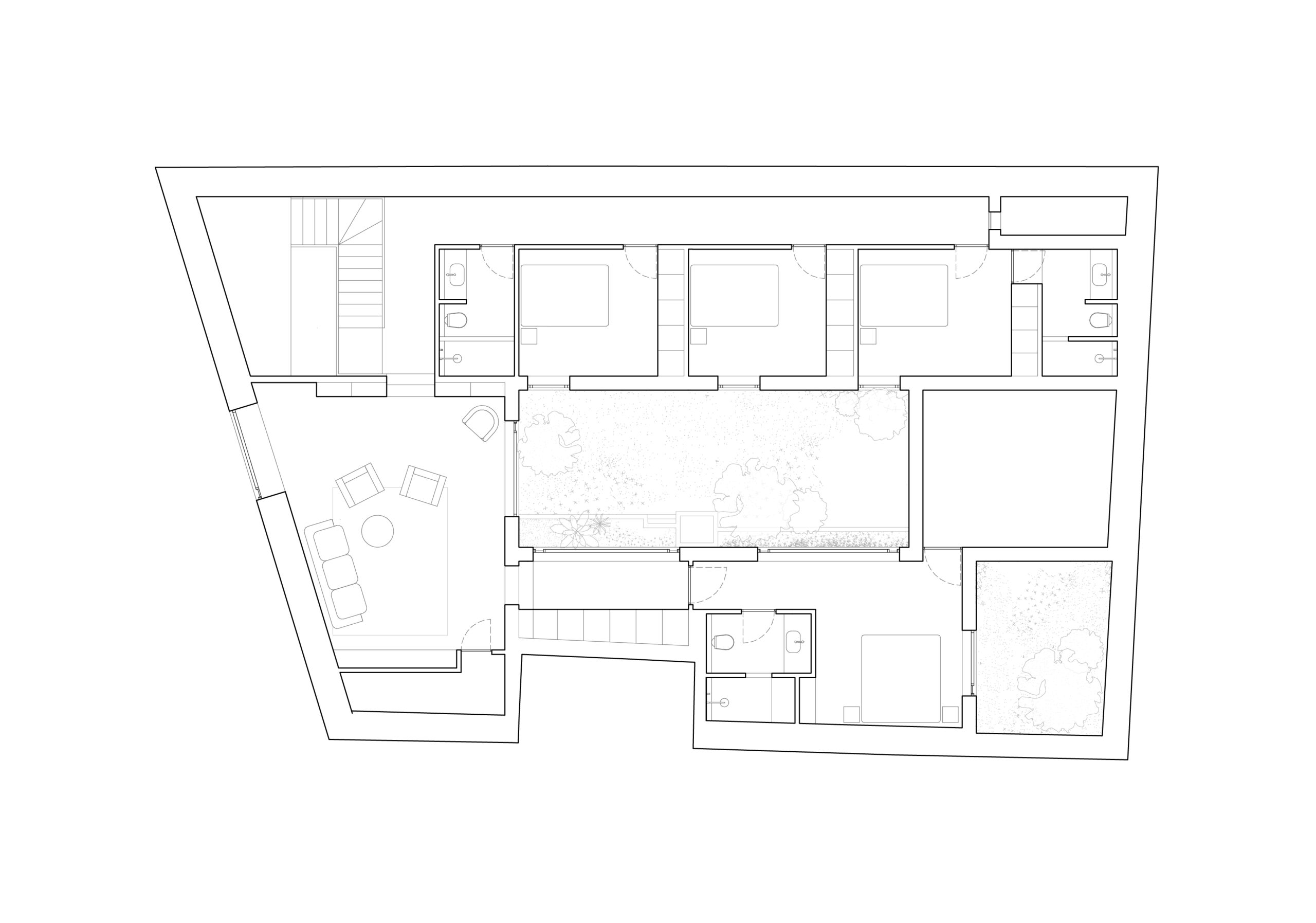
First Floor Plan
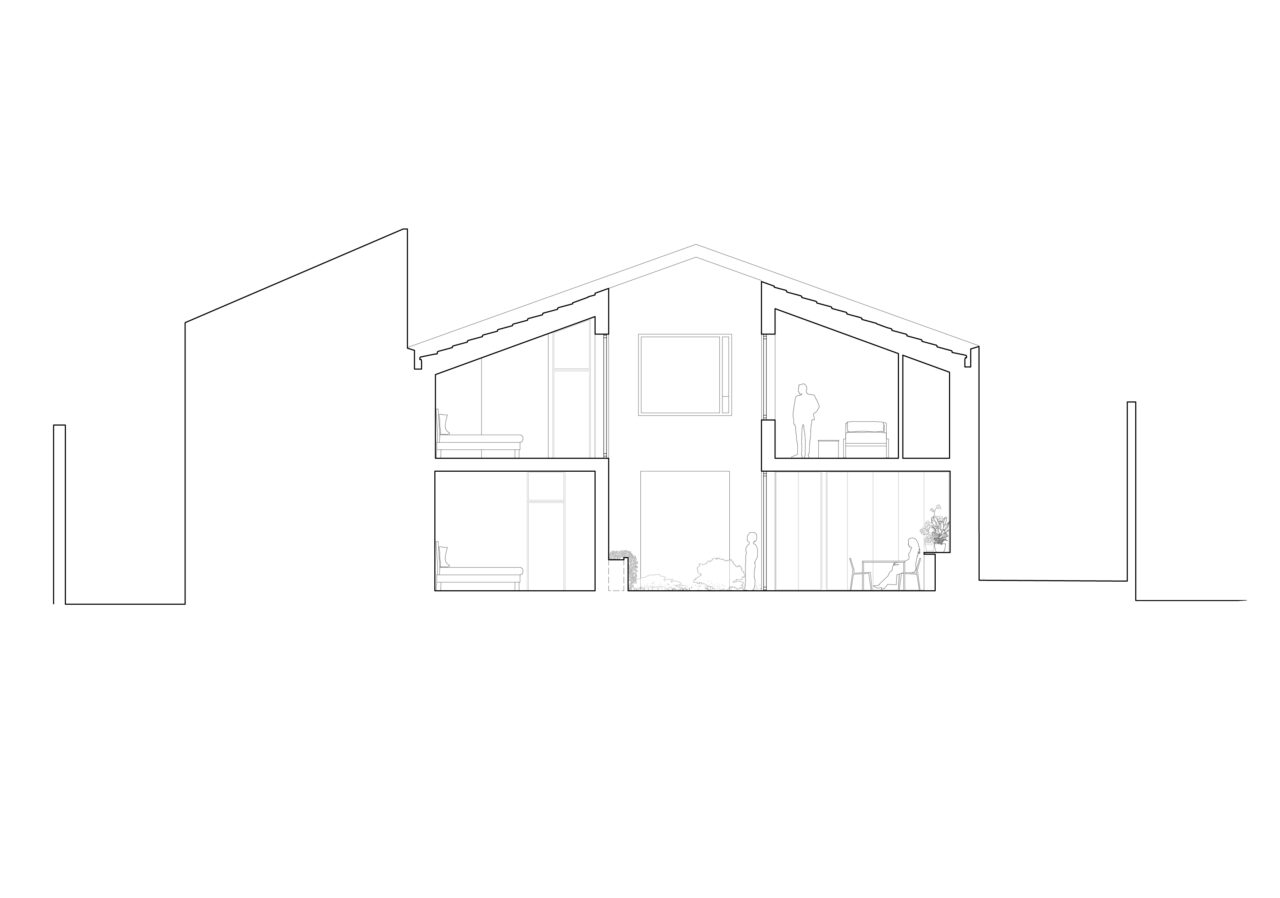
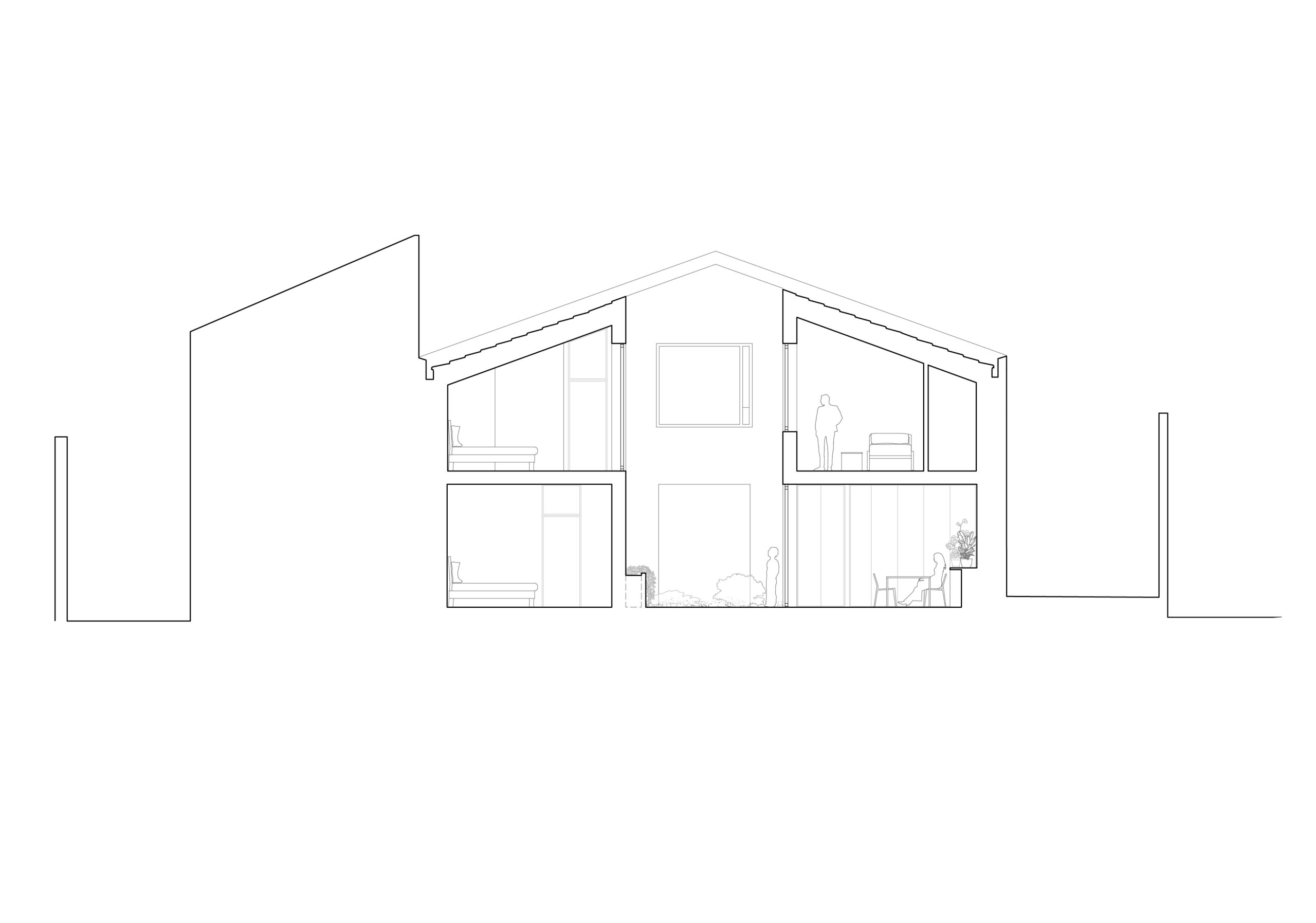
Section


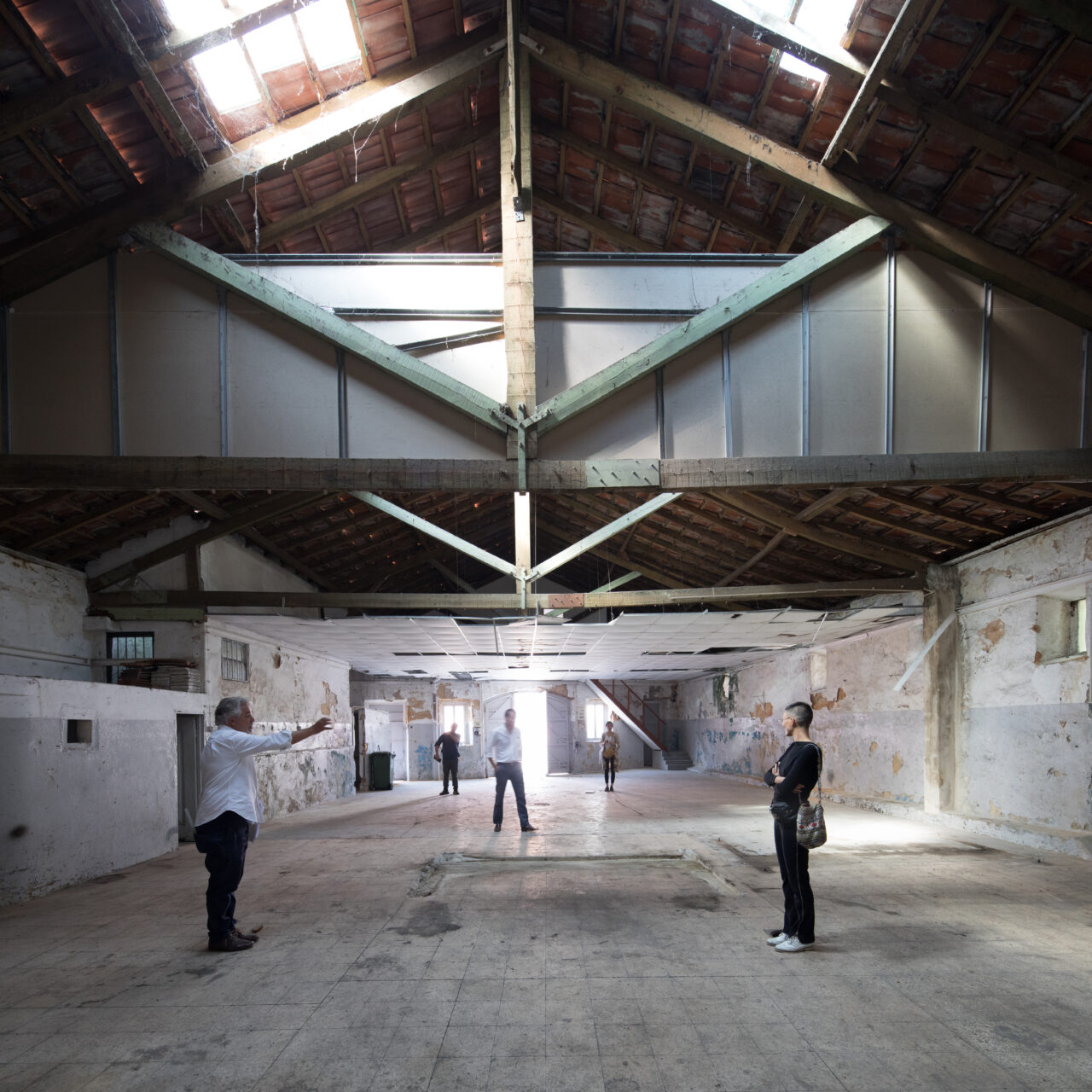
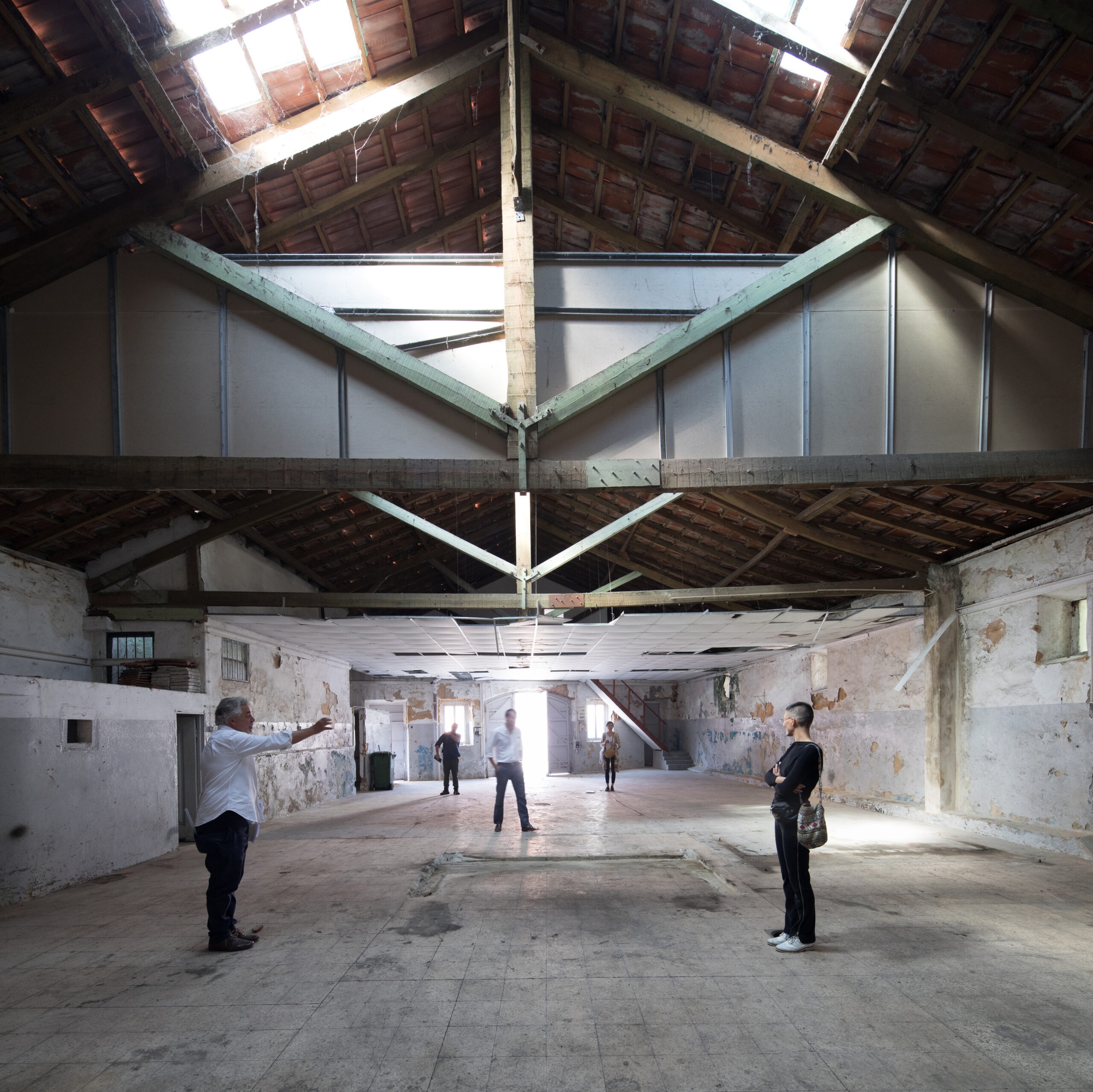
Existing
Existing
169 Particular Dois
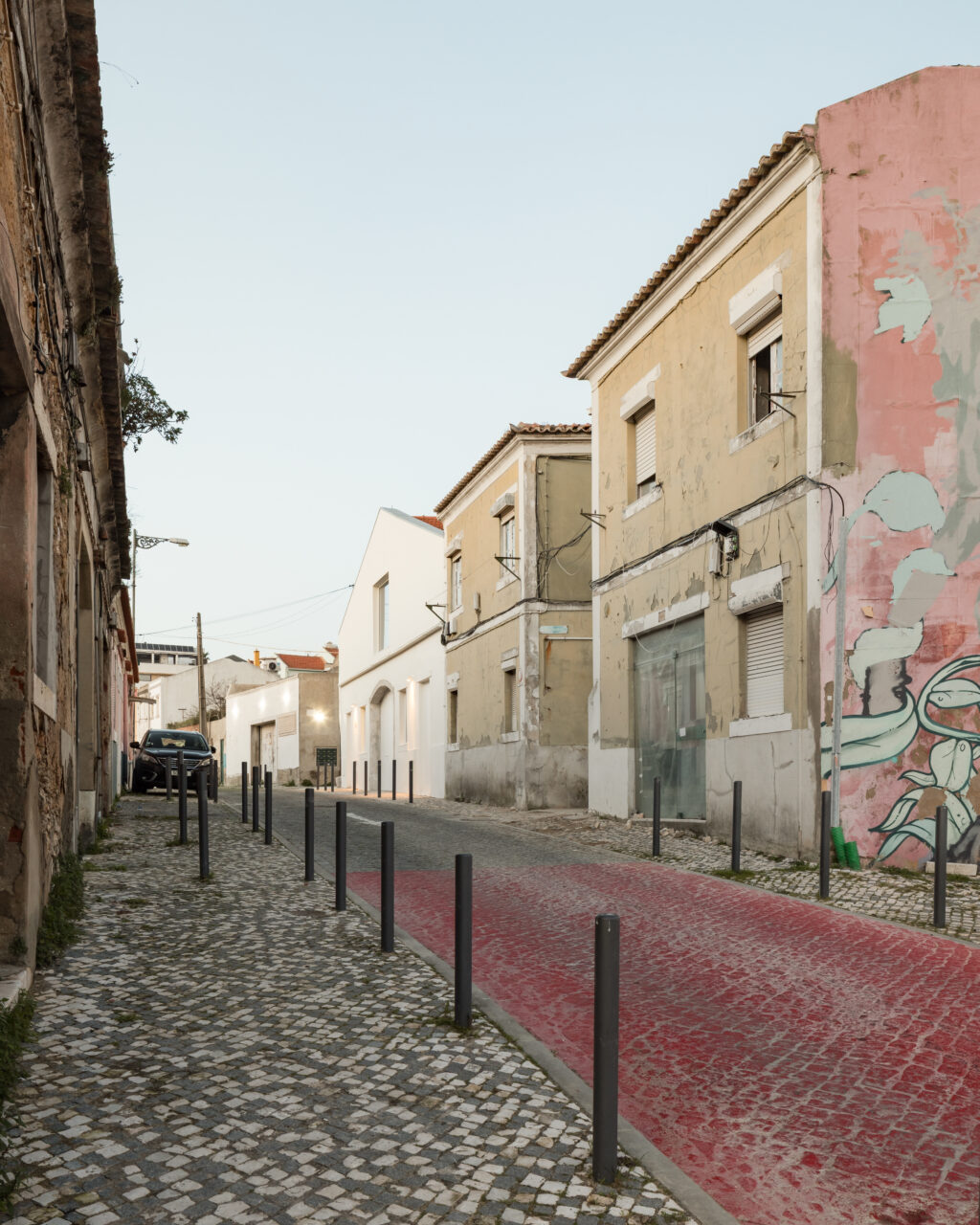
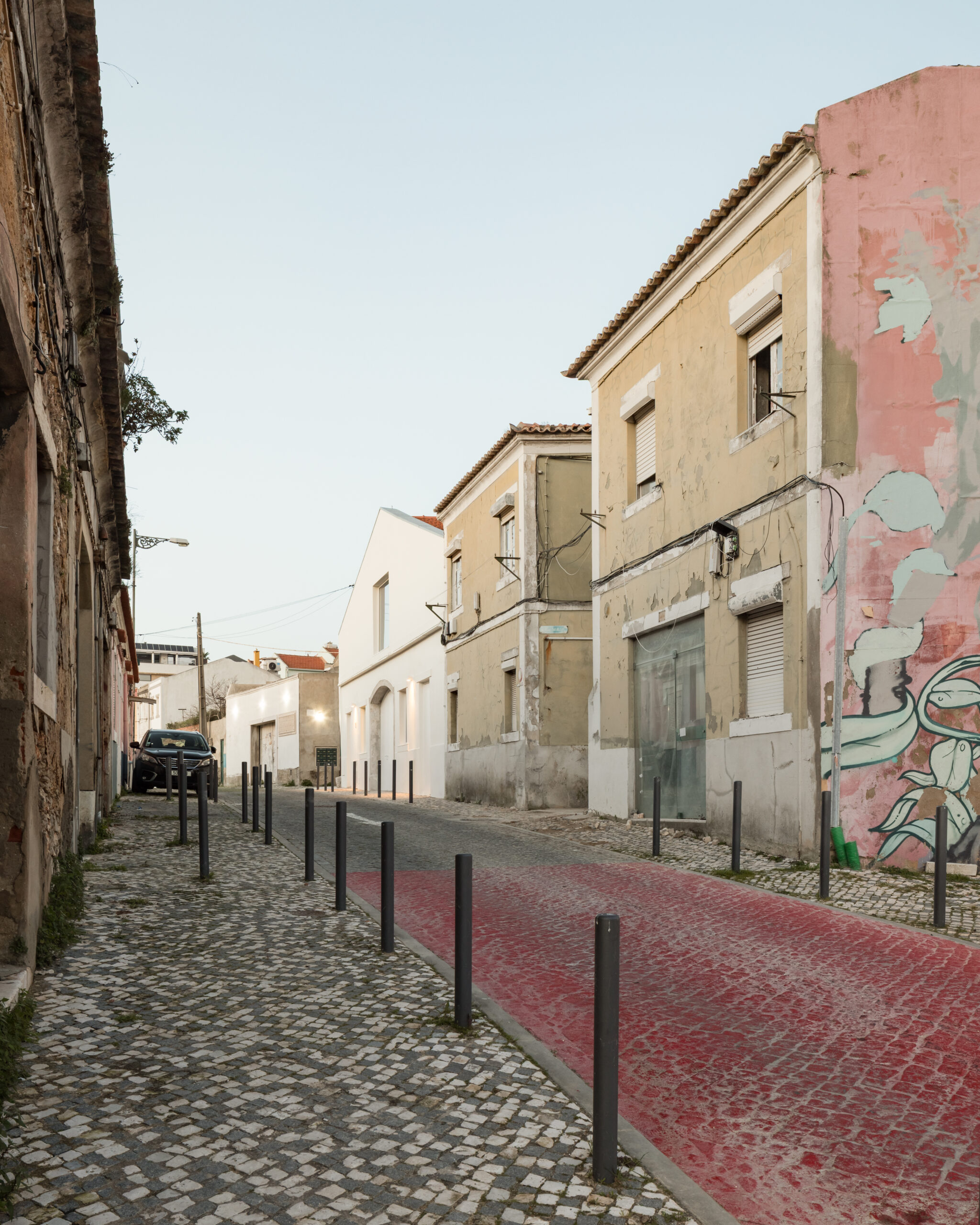
The project is located on Rua Particular, next to Calçada da Quintinha, in Campolide – an area that, in the 19th century, was occupied by several estates, including one belonging to the Marquês de Pombal, who gave his name to the street.
In 1889, the land was subdivided, giving rise to three workers’ housing clusters: Amarante, Cabaço, and Maia. It is in Vila Maia that the “Barracão” can be found – a structure built illegally in the 1920s by José António Francisco Penedo. Fined in 1928, the owner submitted a request for legalization that same year, describing the building as a “masonry shed, covered with Marseille tiles, with an earthen floor, intended for the storage of materials, tools, and carts.”
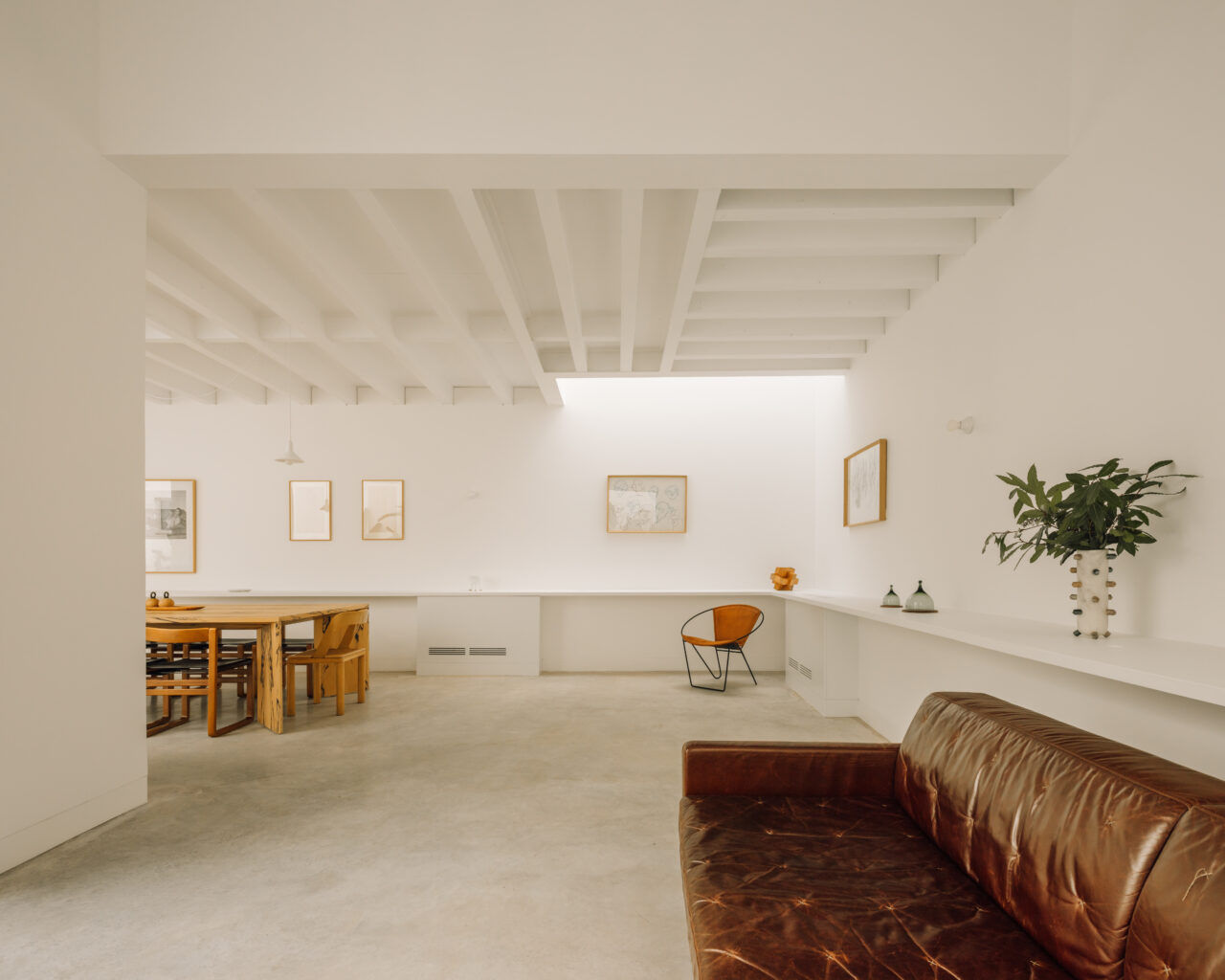
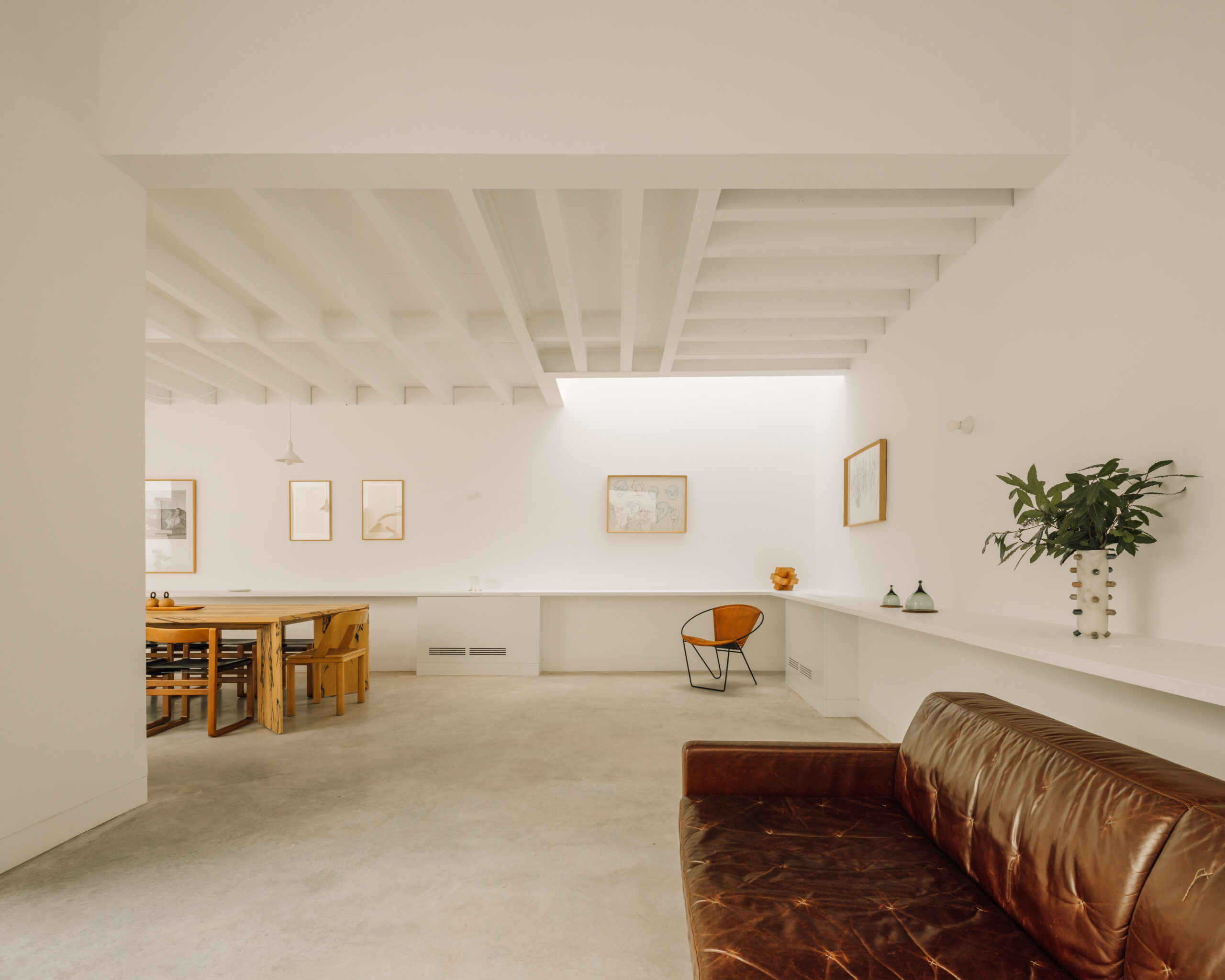
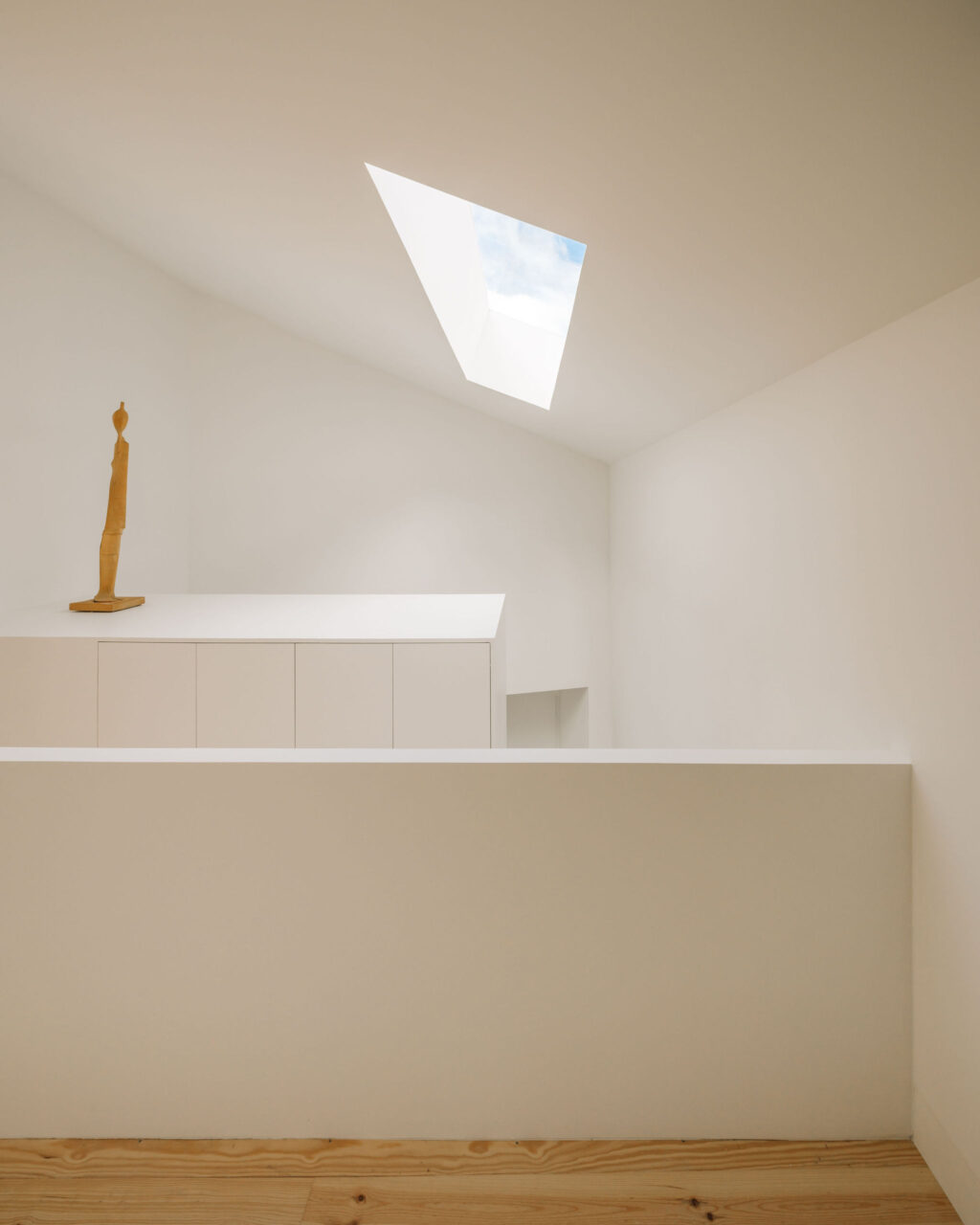
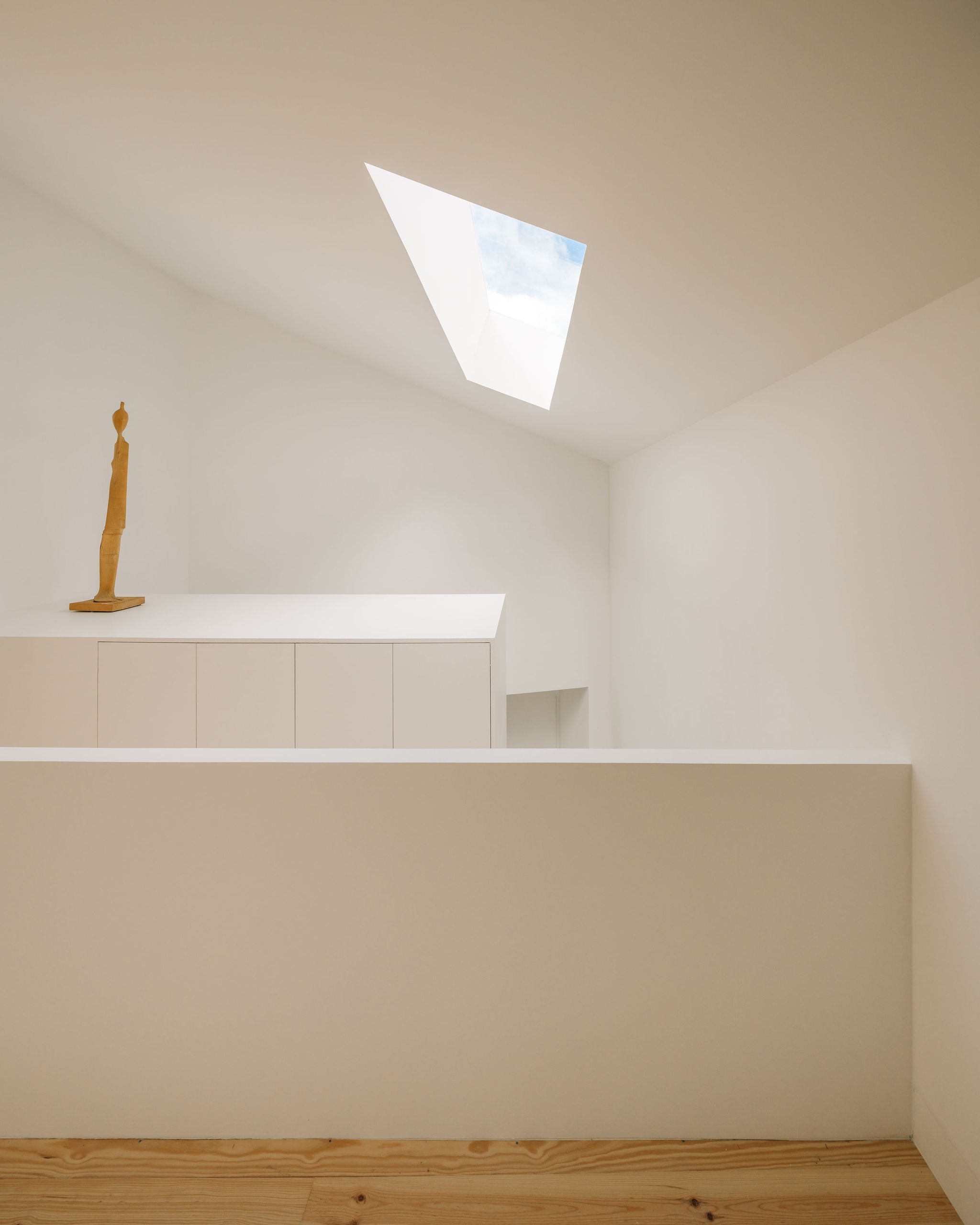
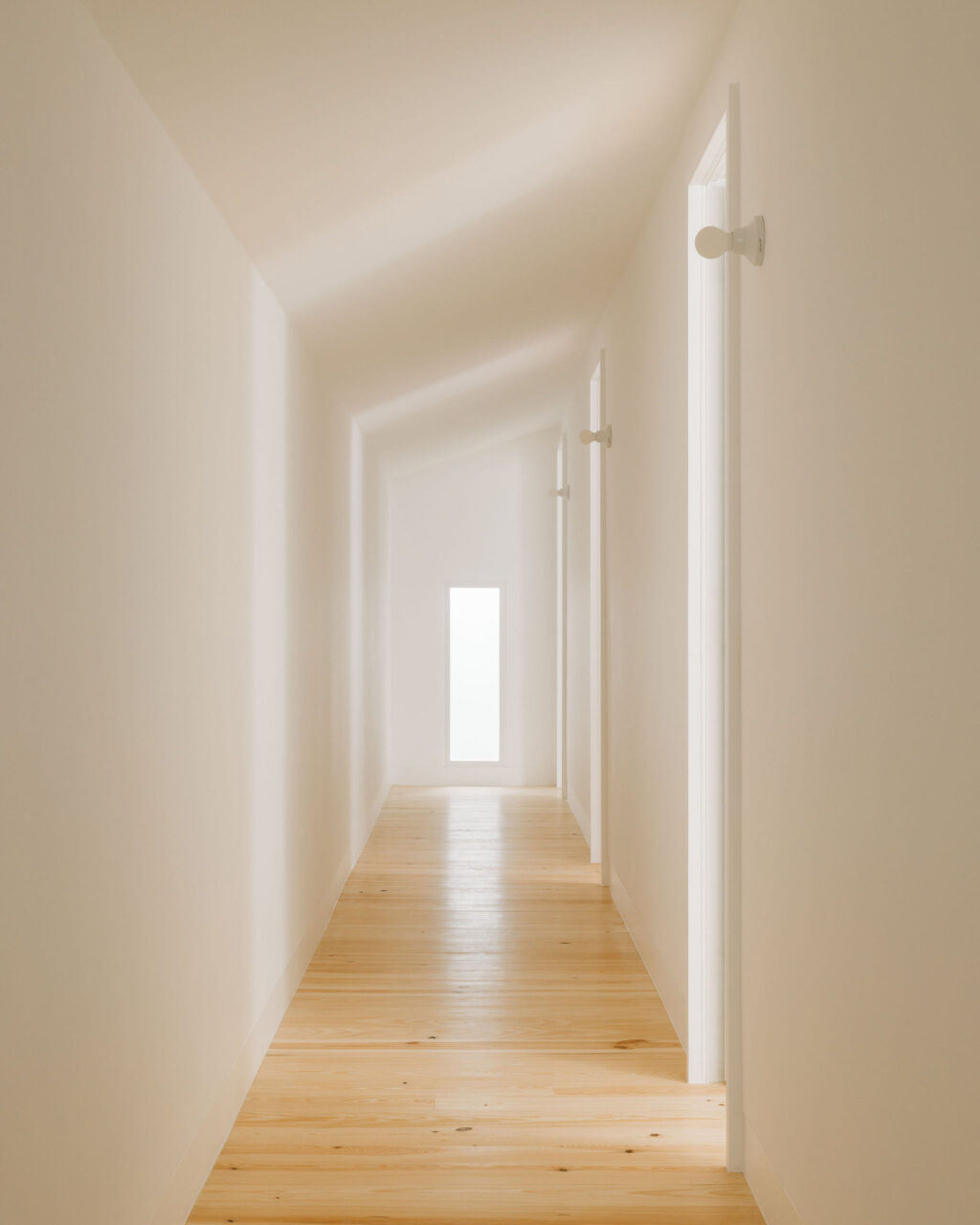
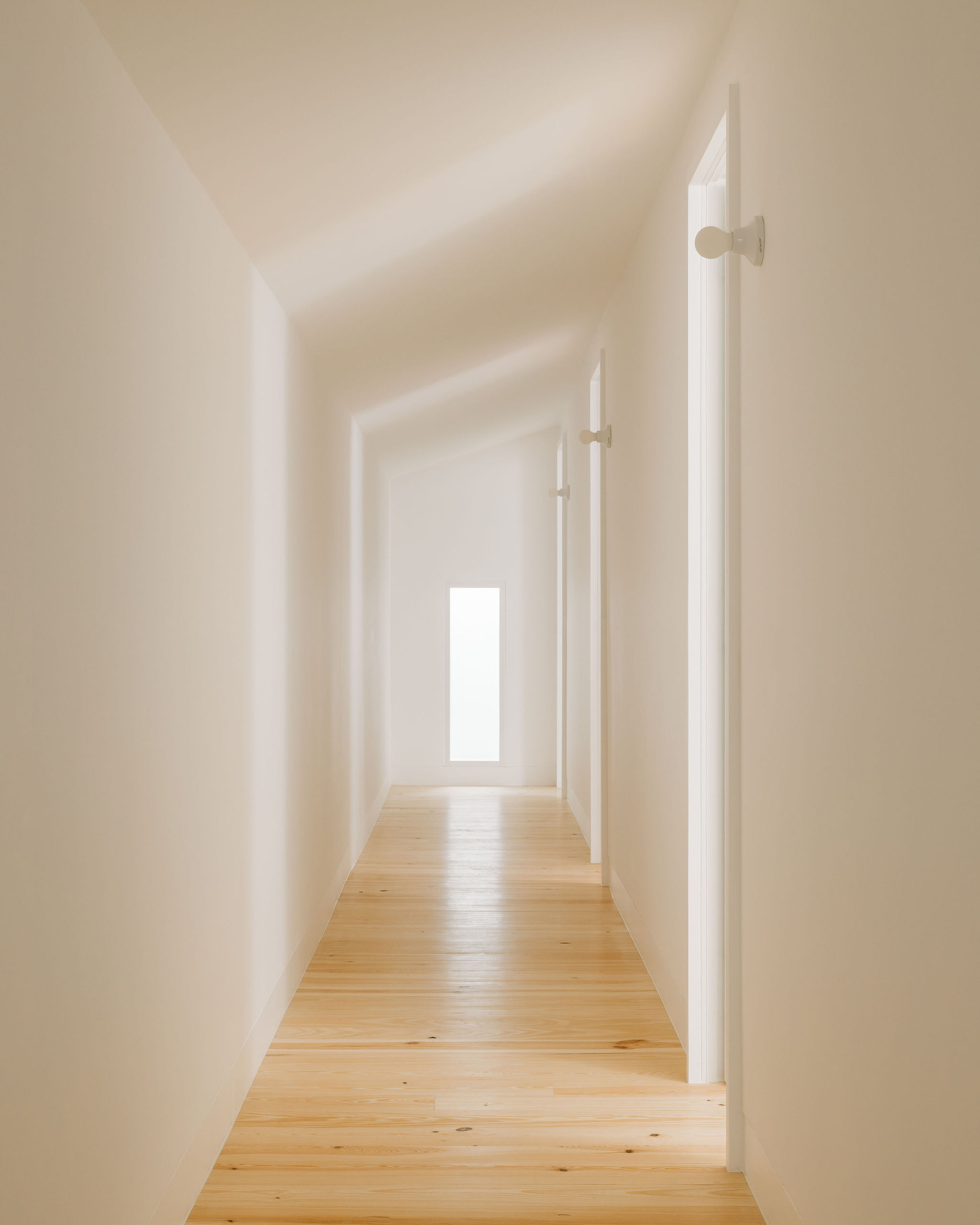
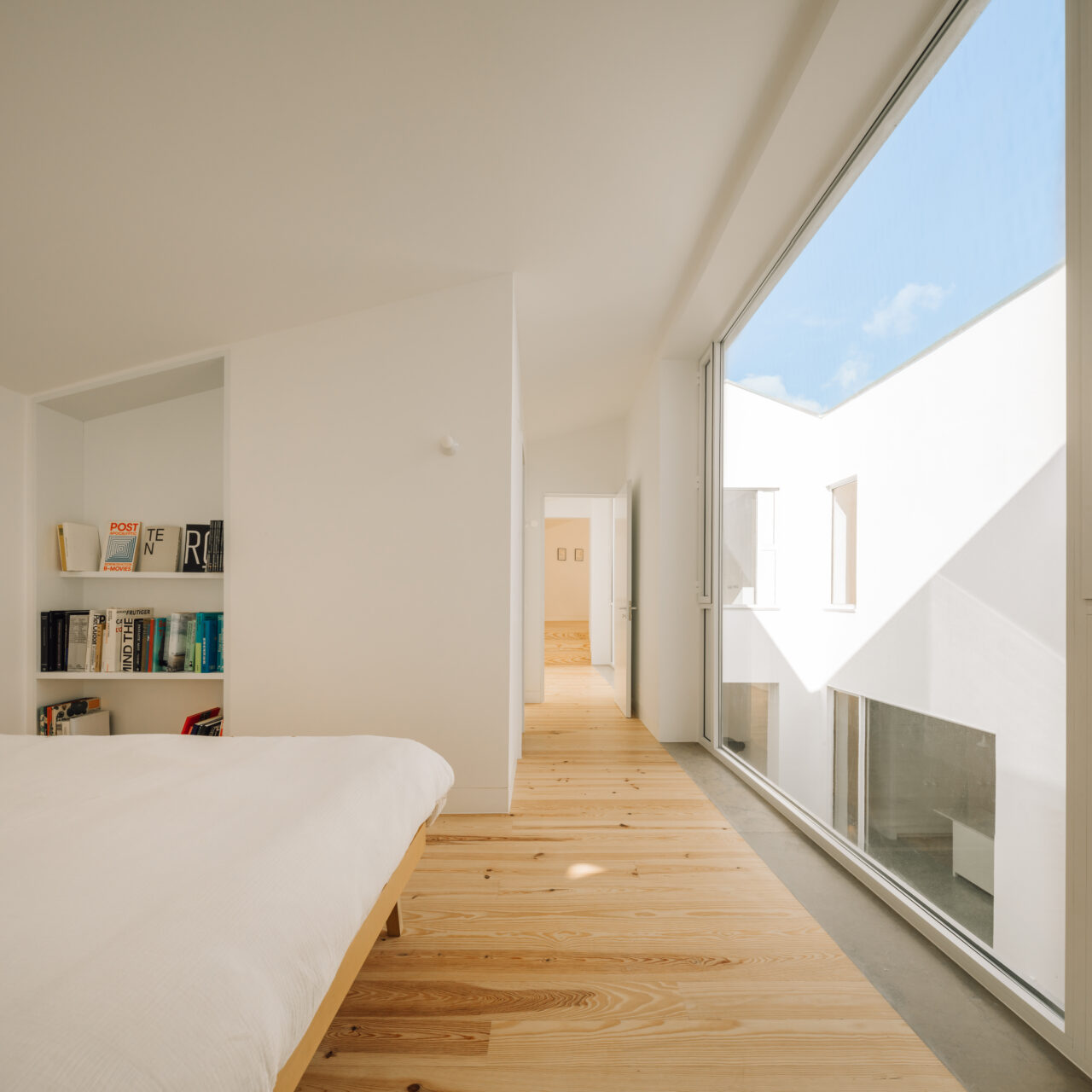
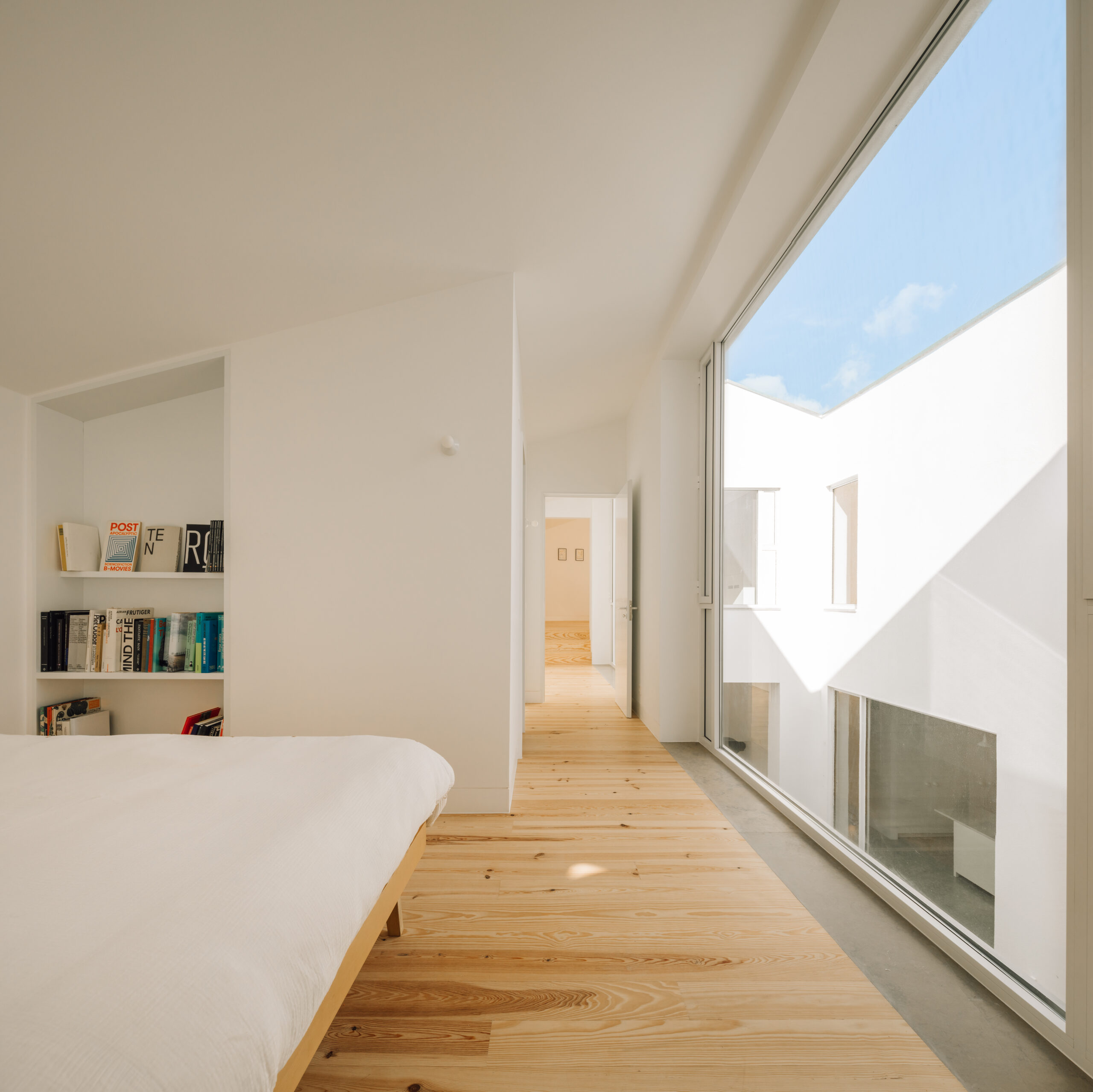
The intervention is based on the pre-existing structure: a volume with a single 14-meter-wide façade, a maximum depth of 23 meters, and a total interior area of 267 m². The side and rear façades are completely blind, with openings only on the front elevation facing the street. This condition posed one of the main challenges of the project – bringing natural light and ventilation into the interior.
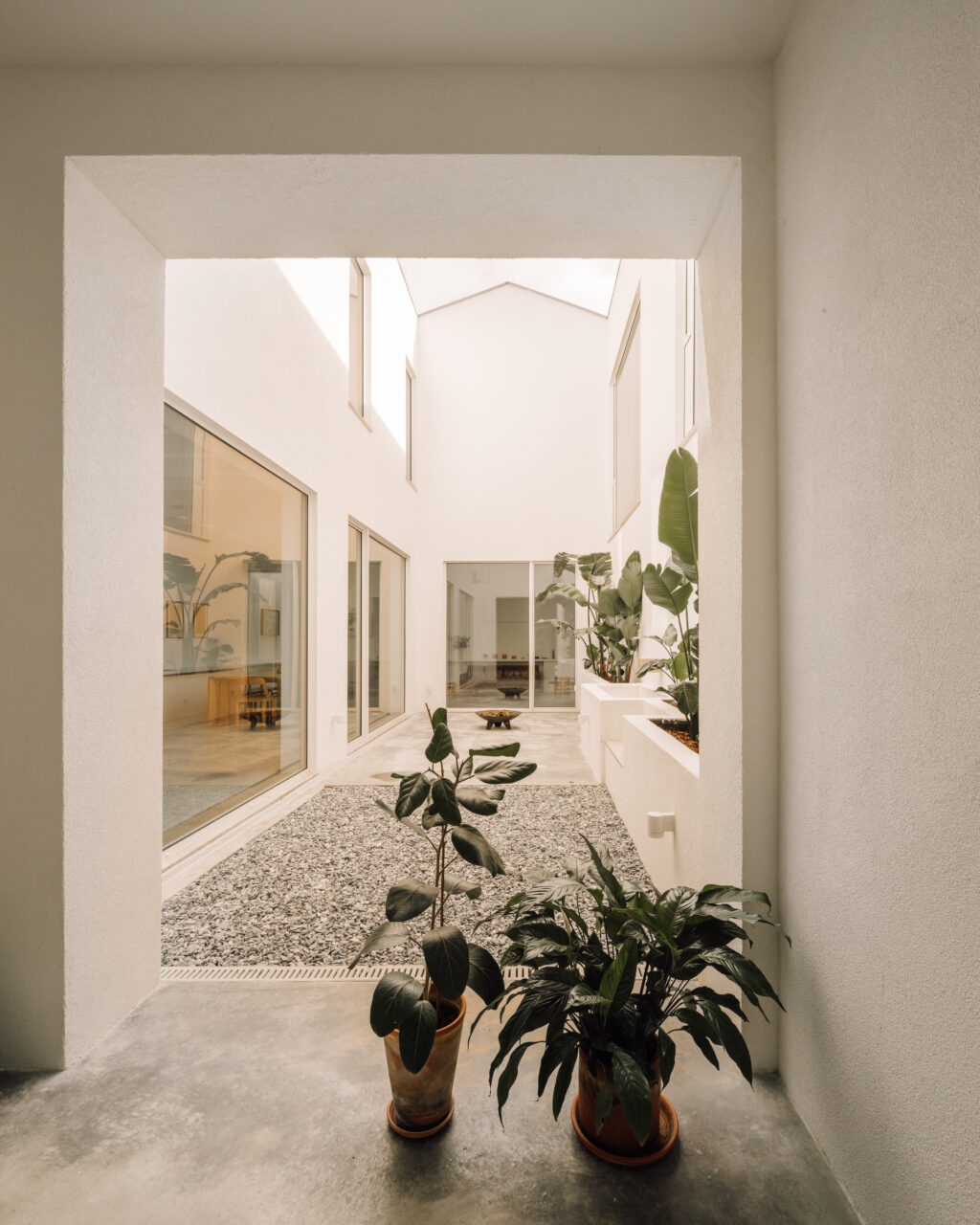
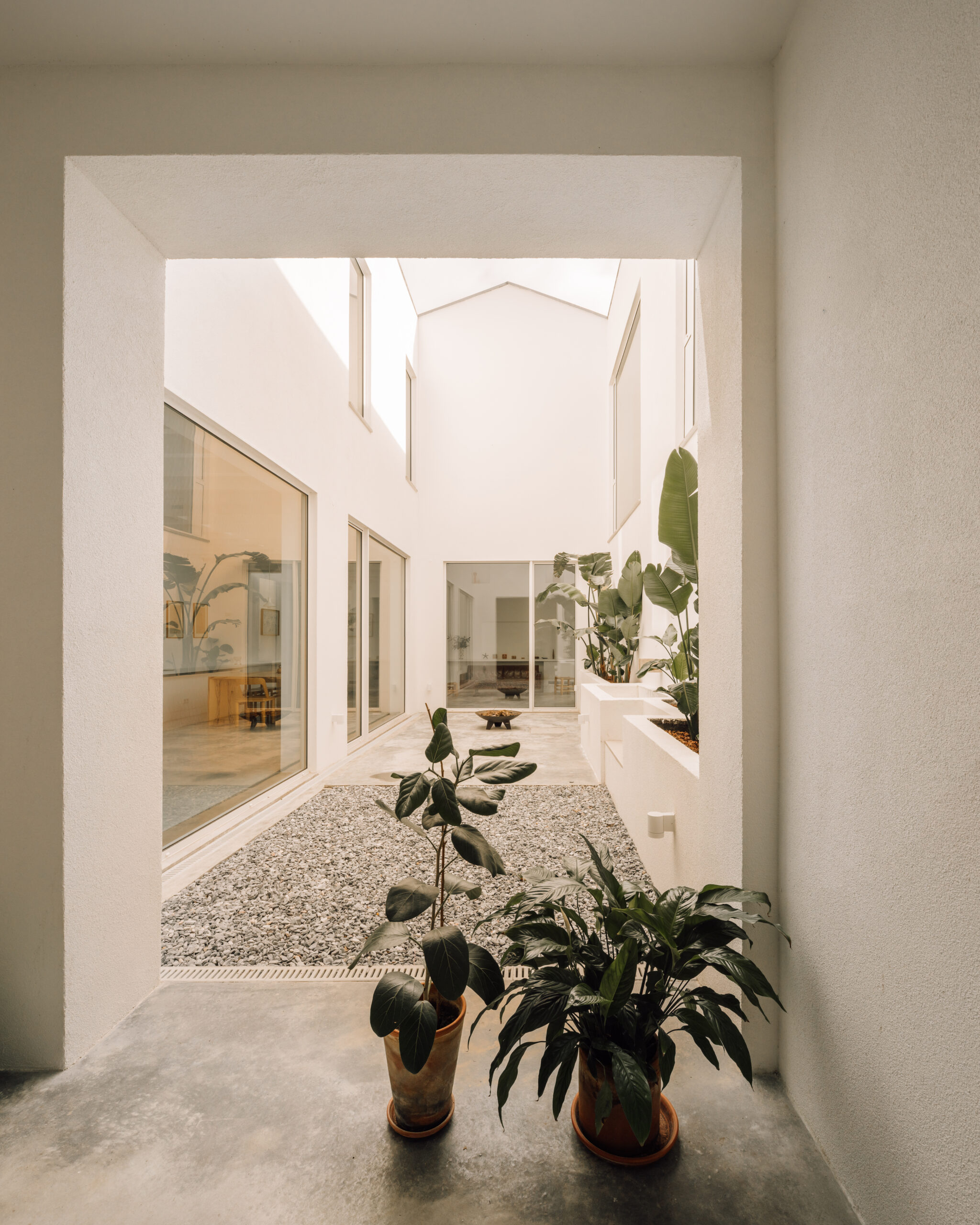
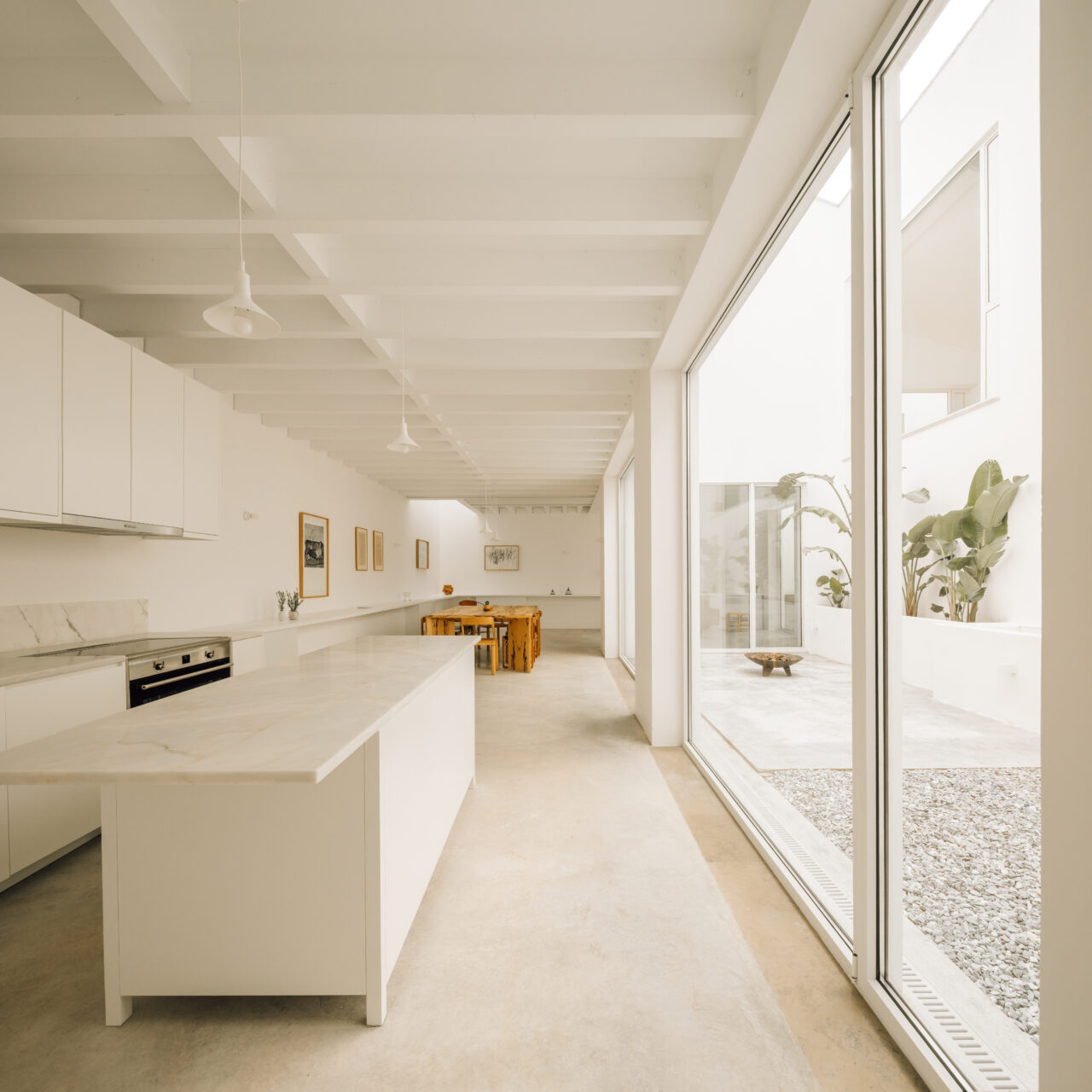
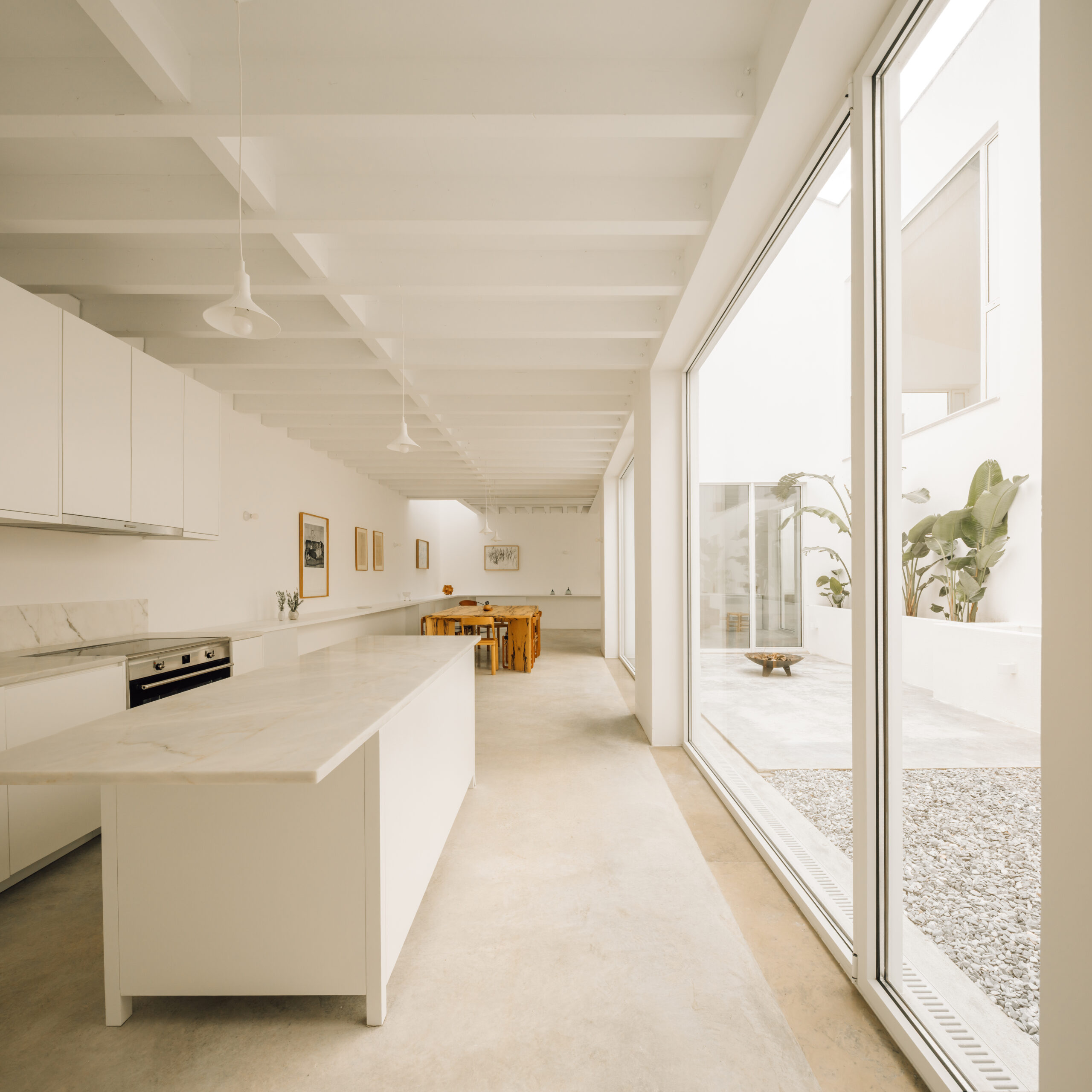
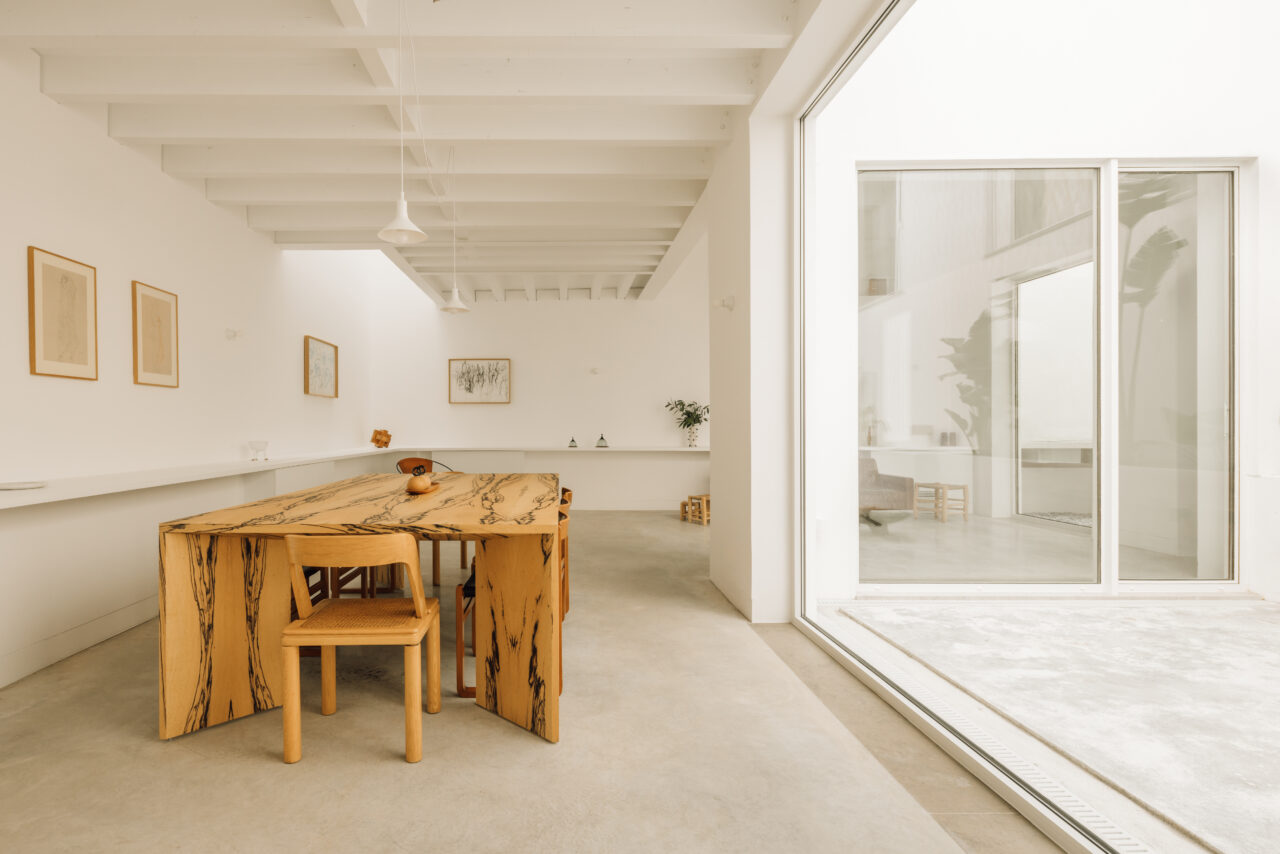
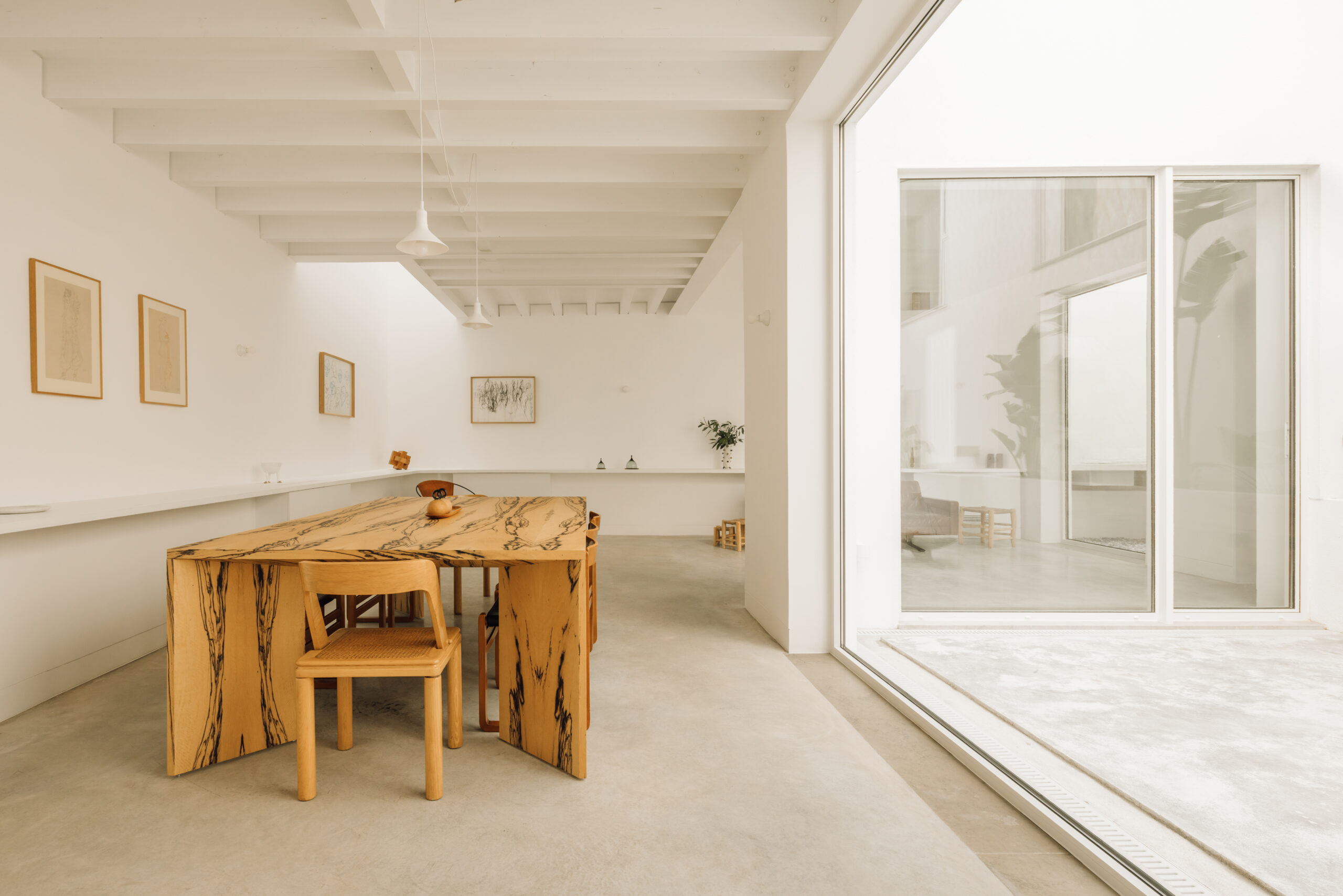
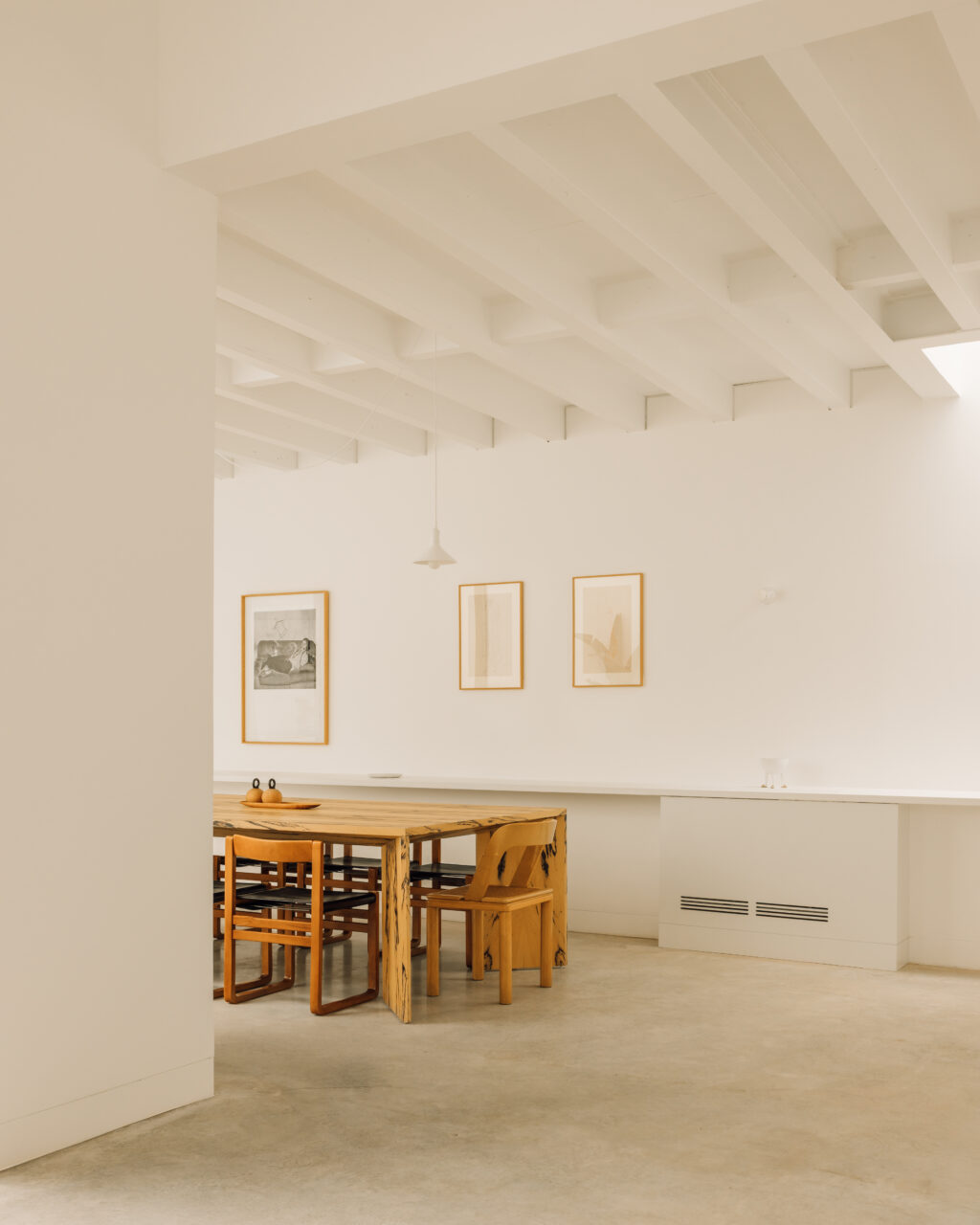
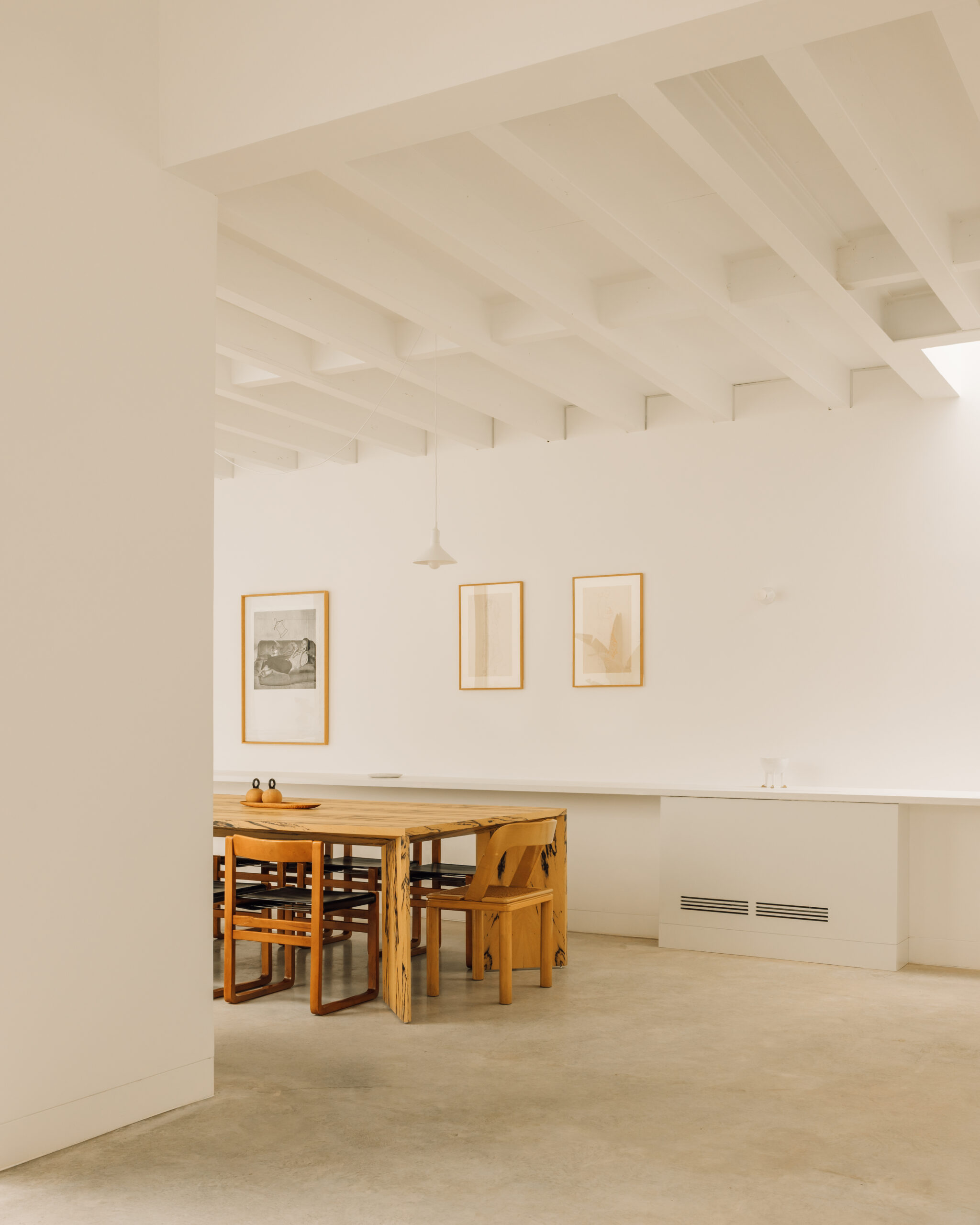
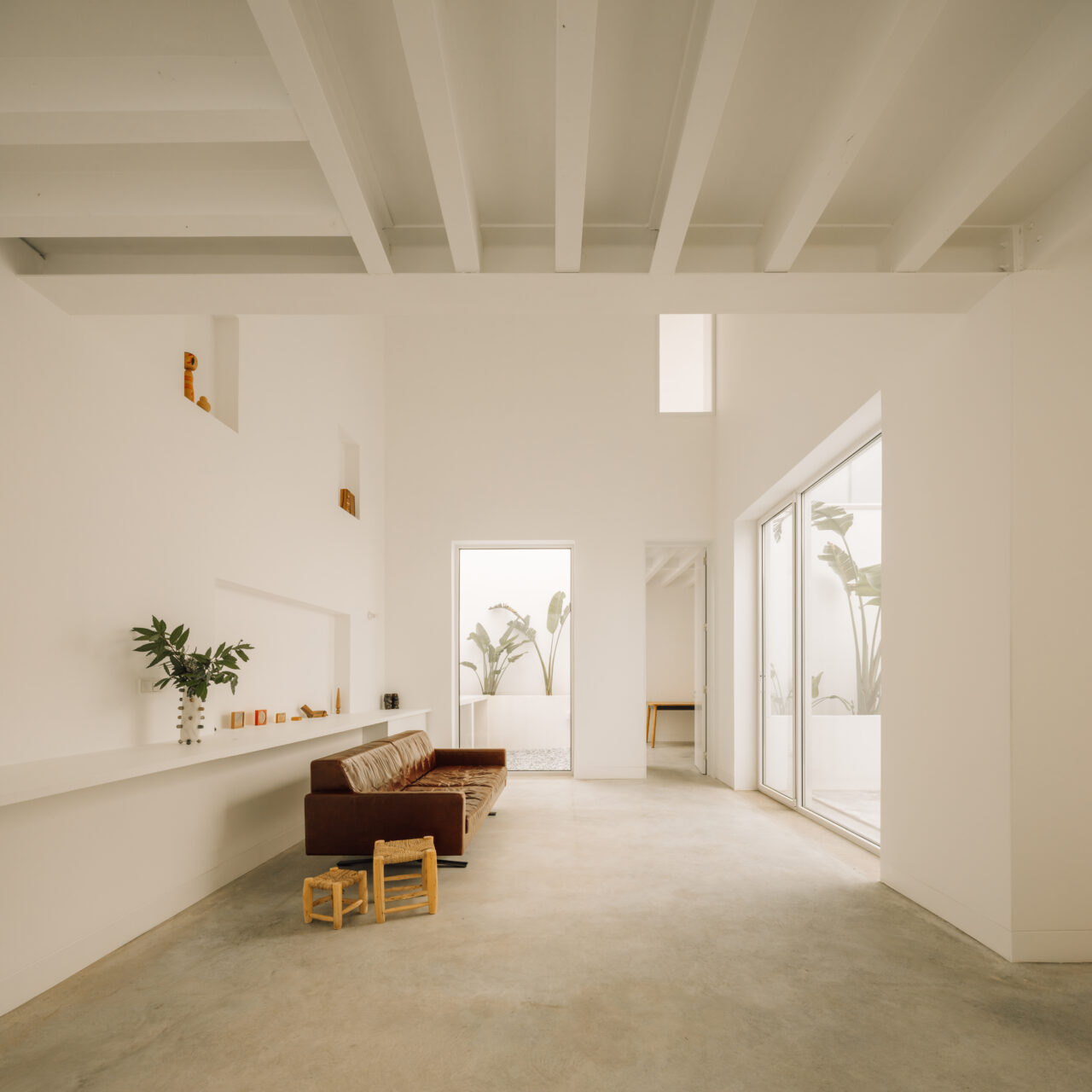
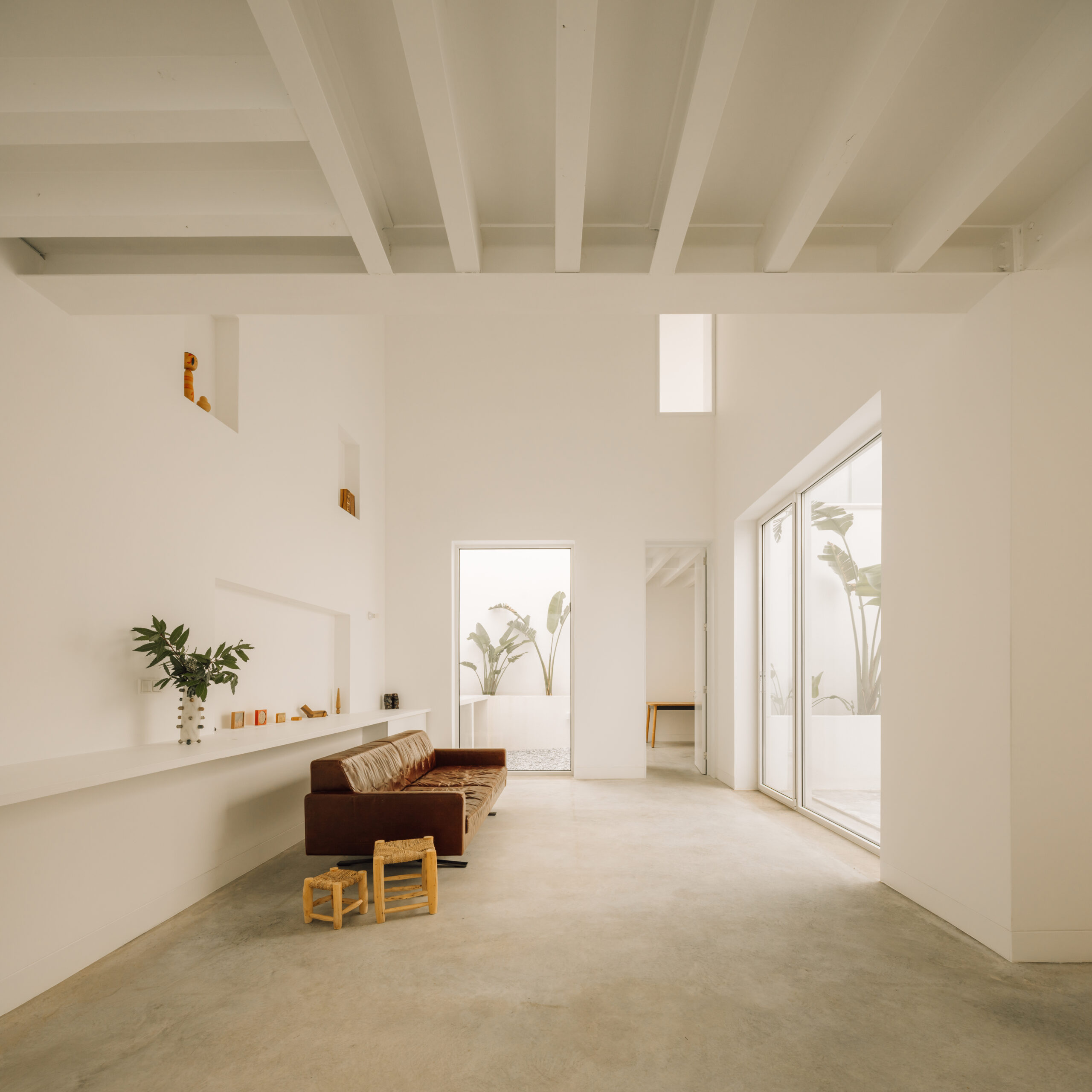
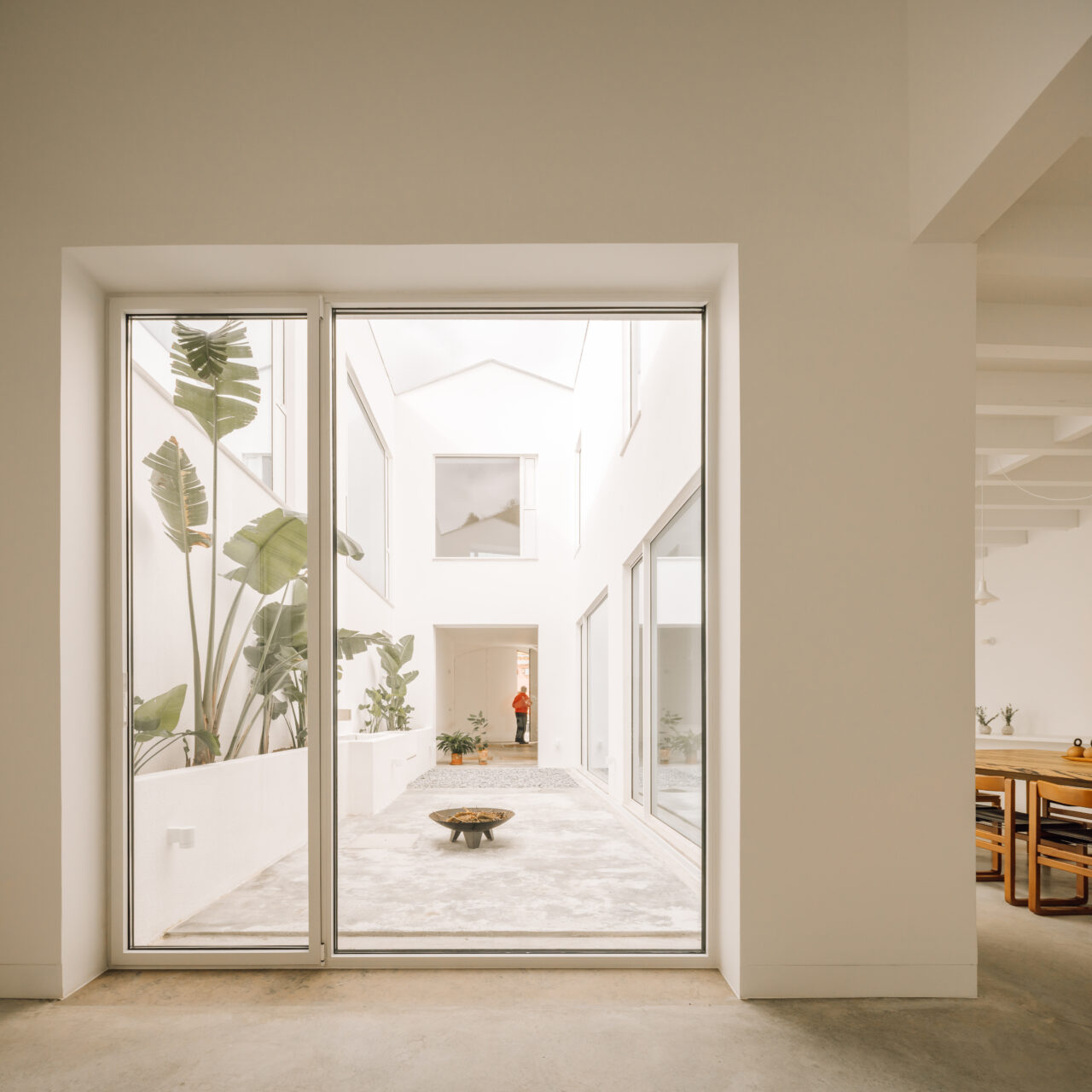
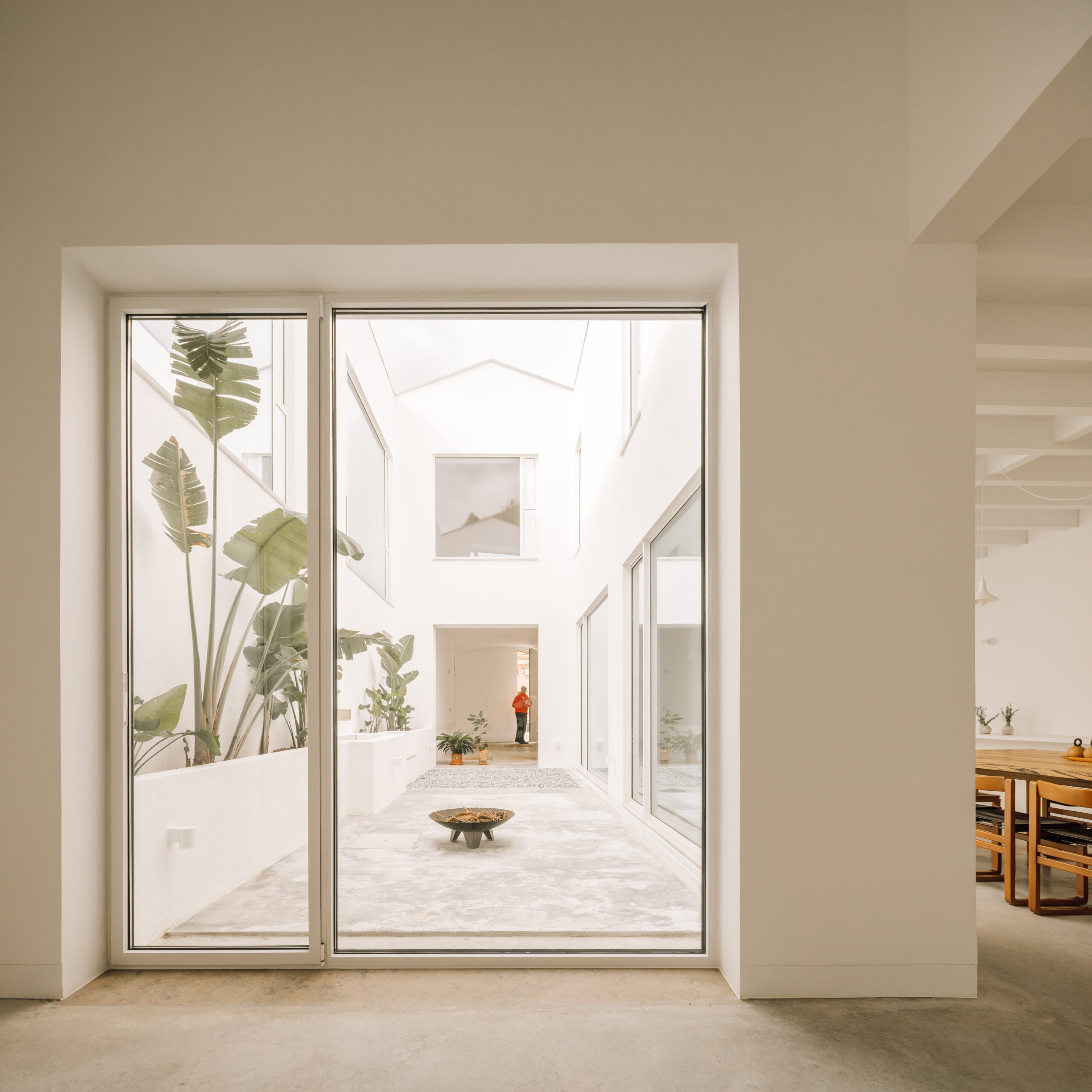
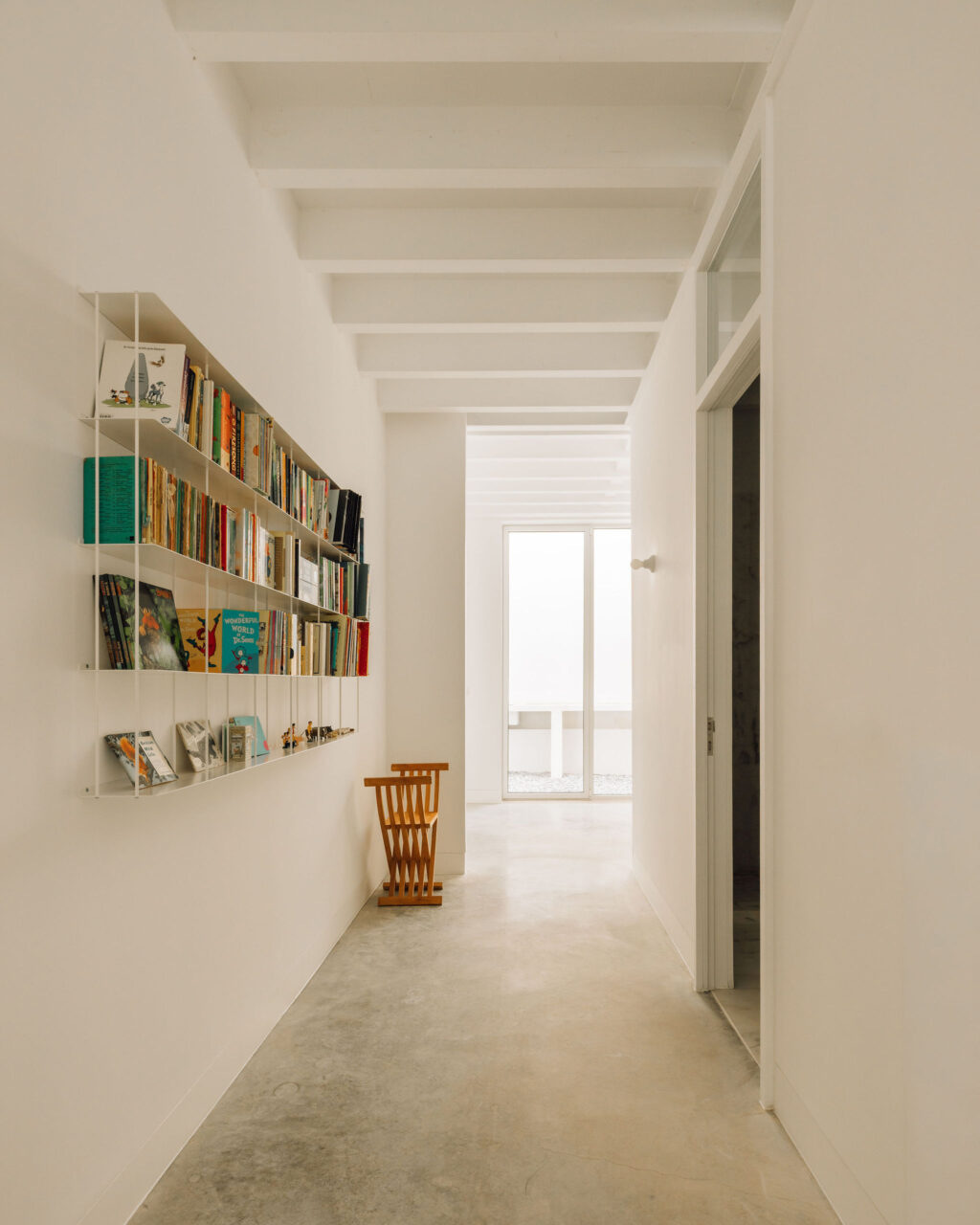
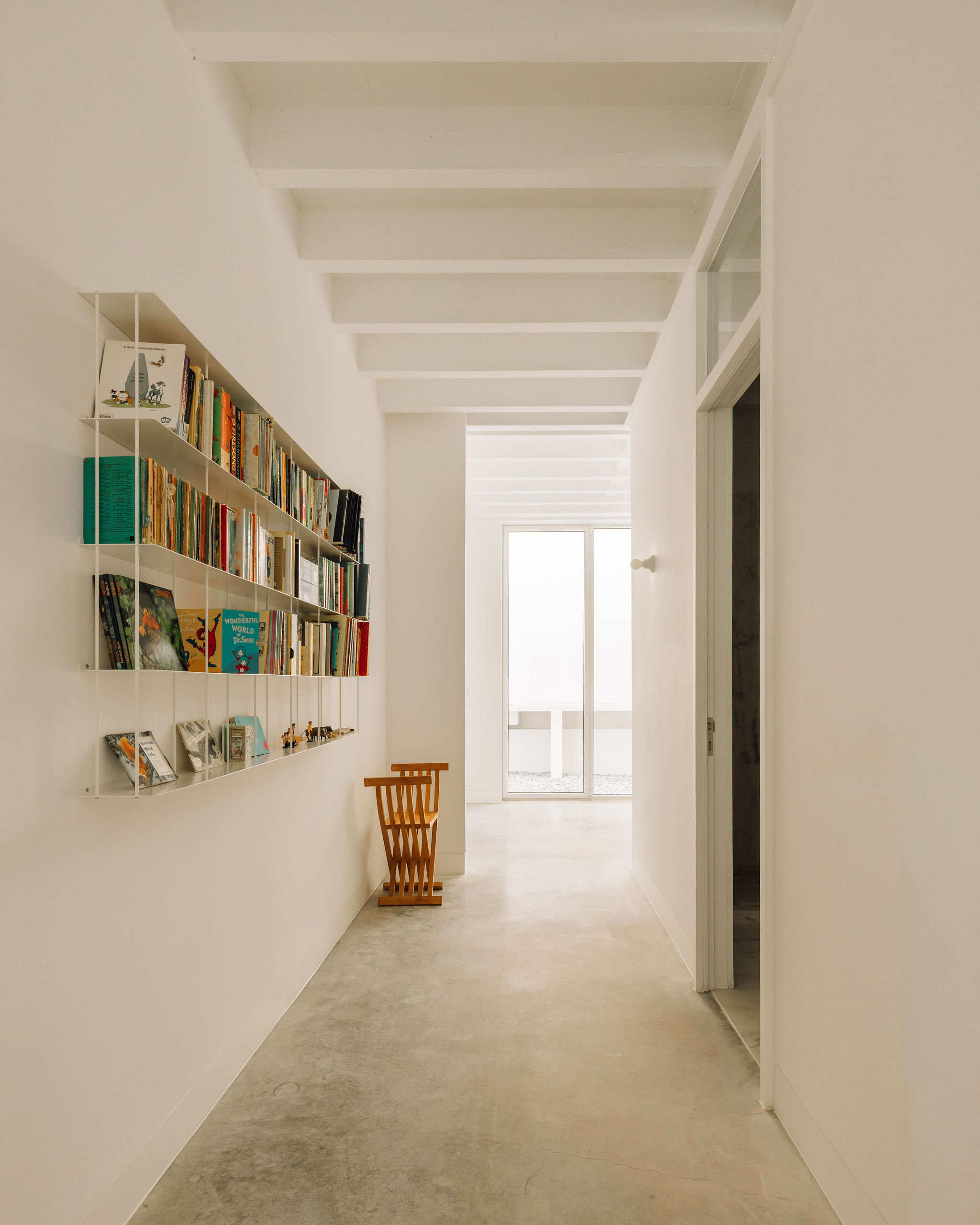
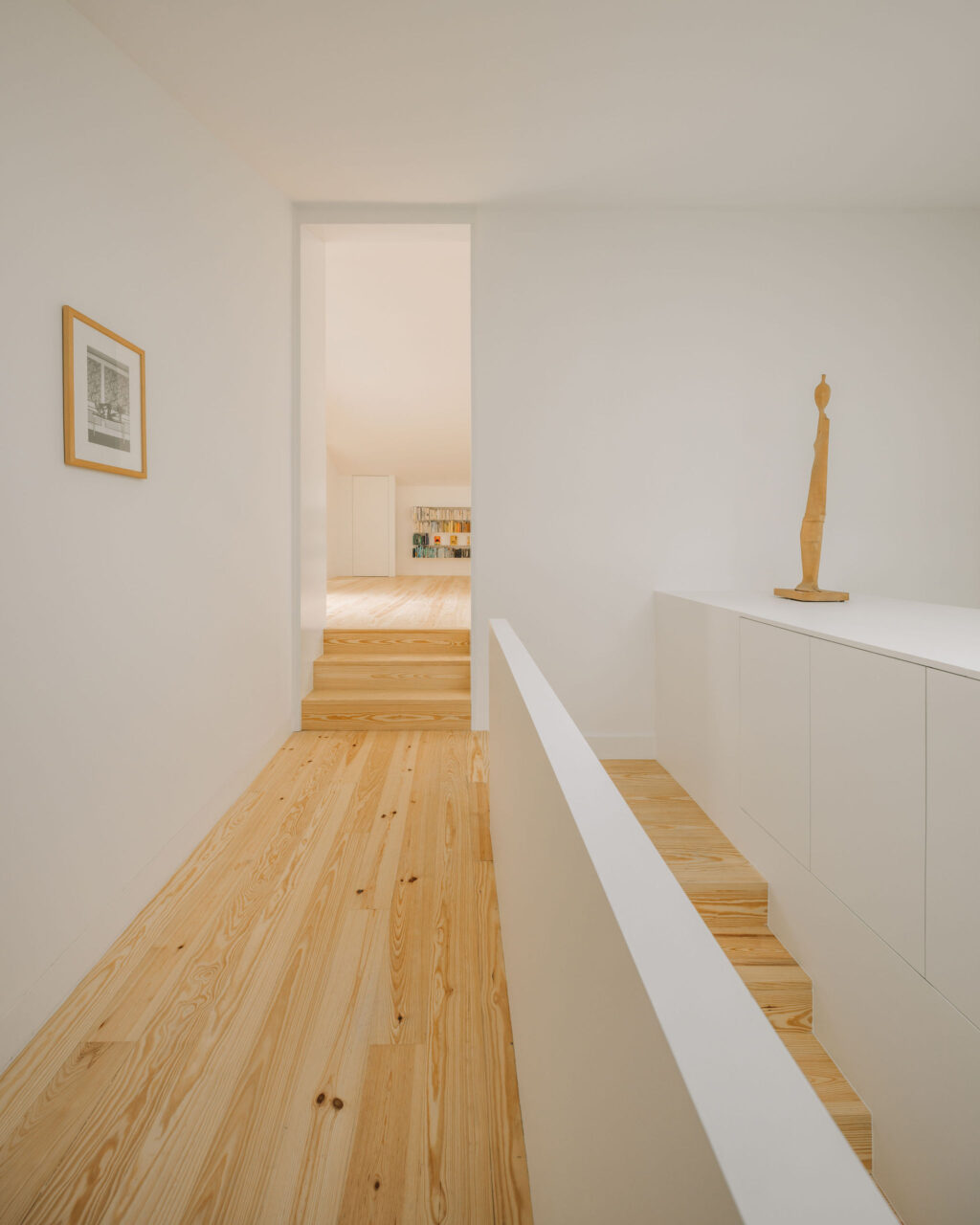
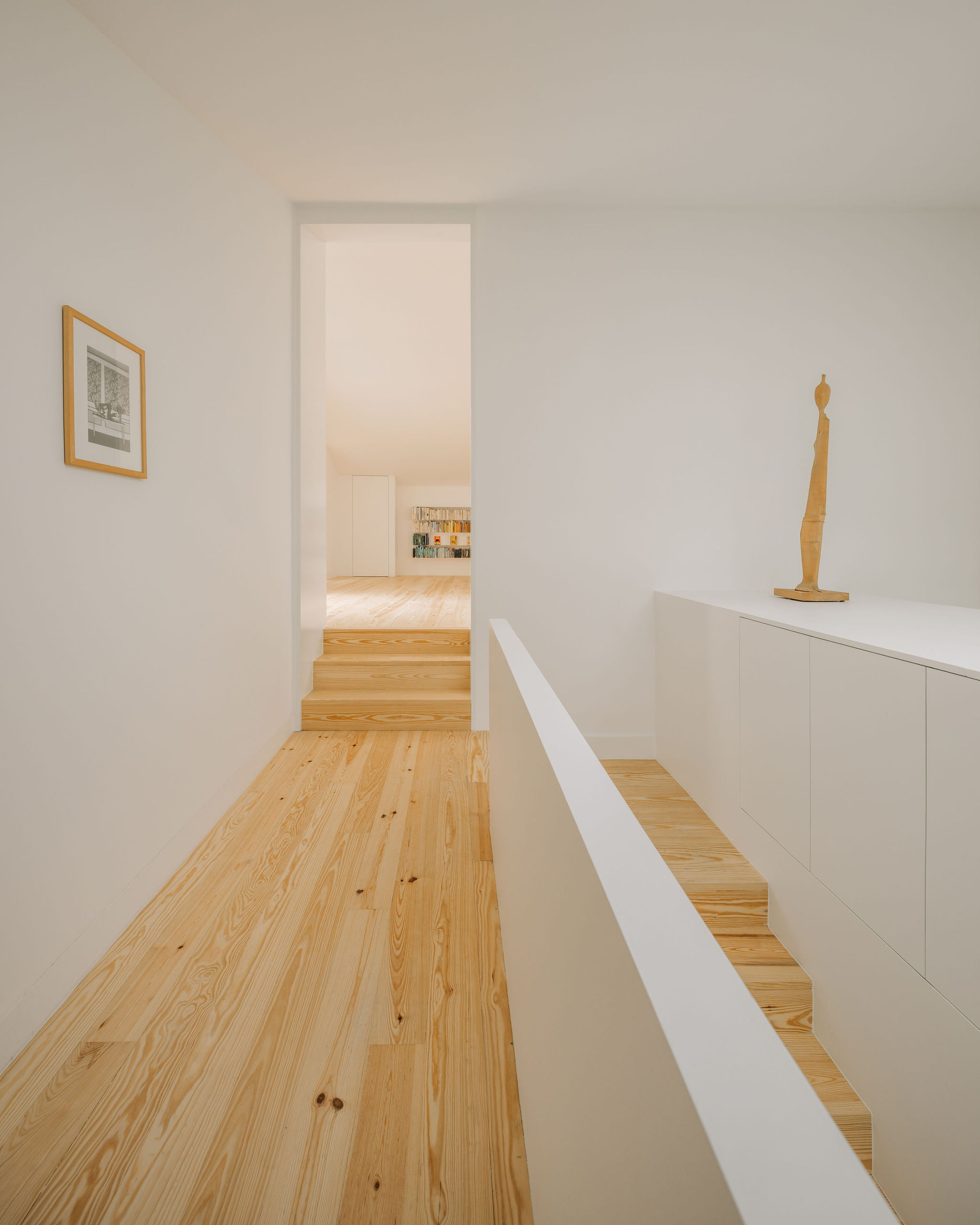
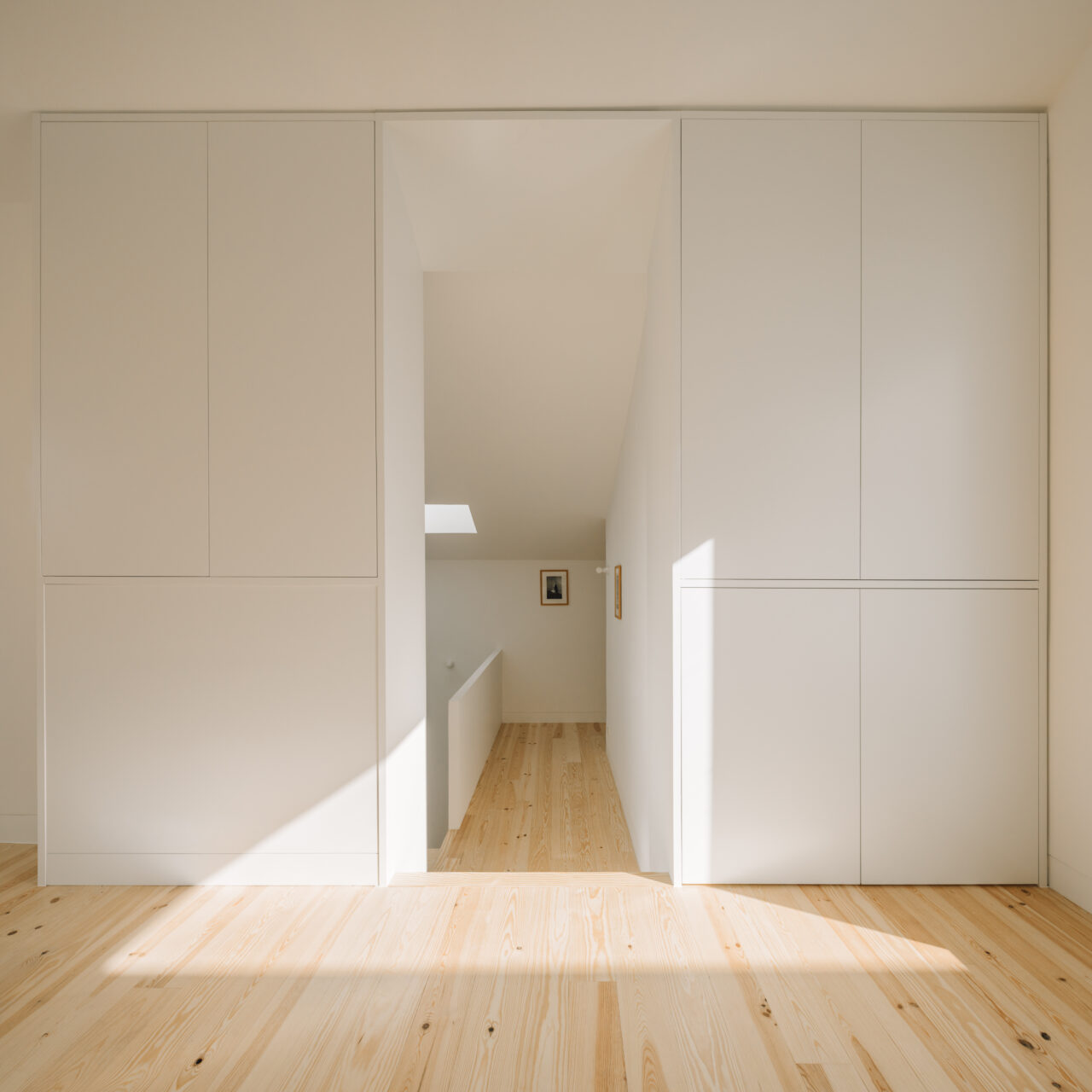
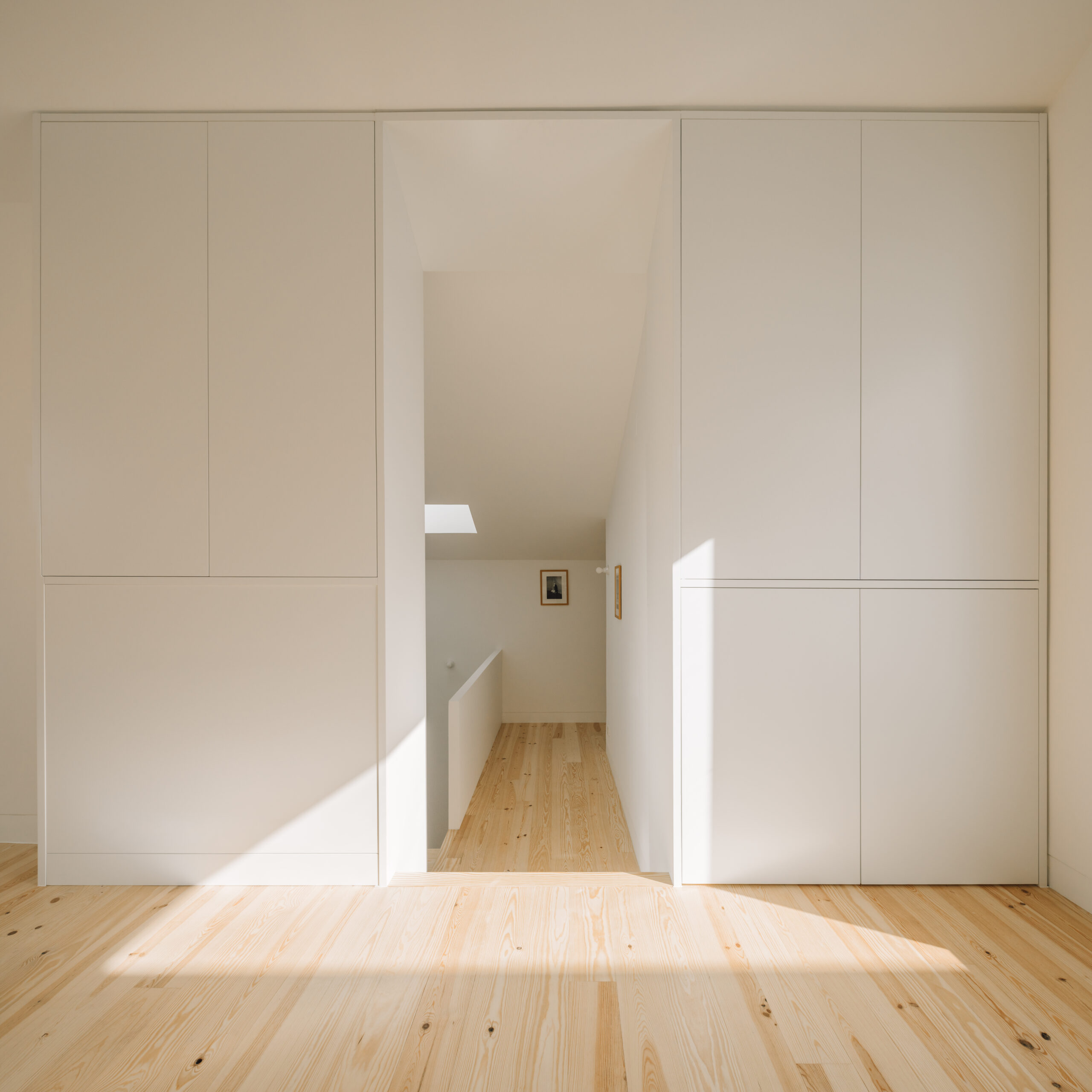
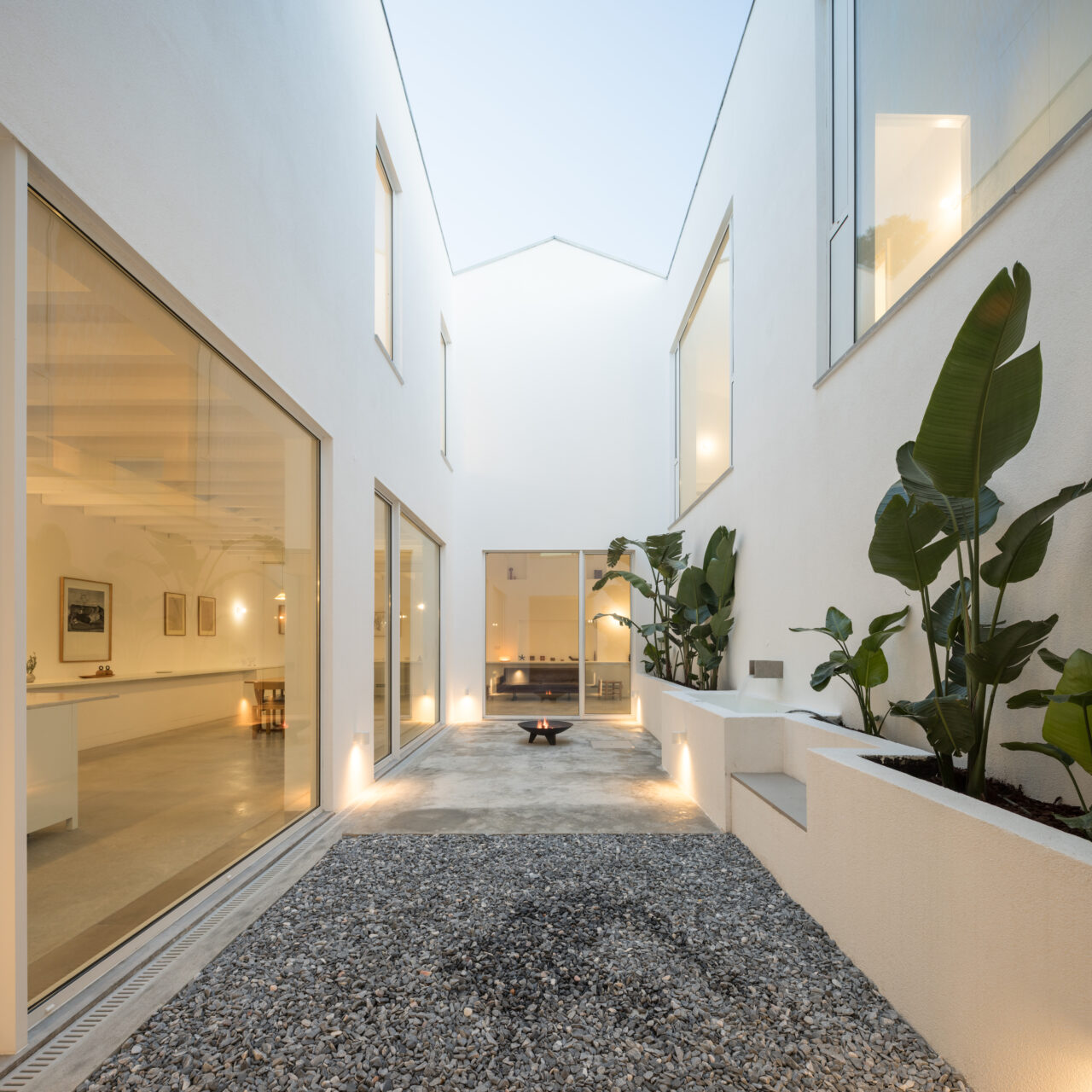
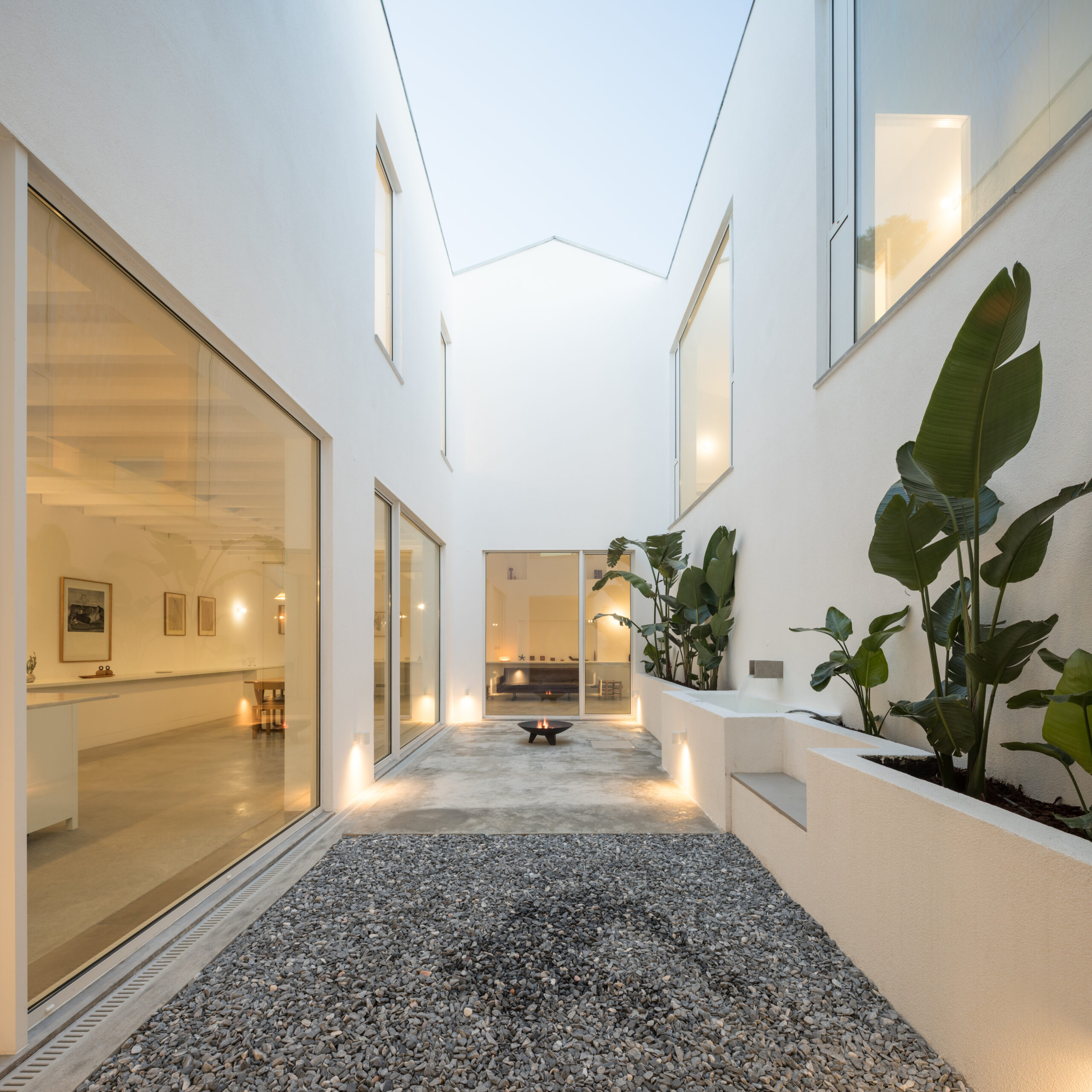
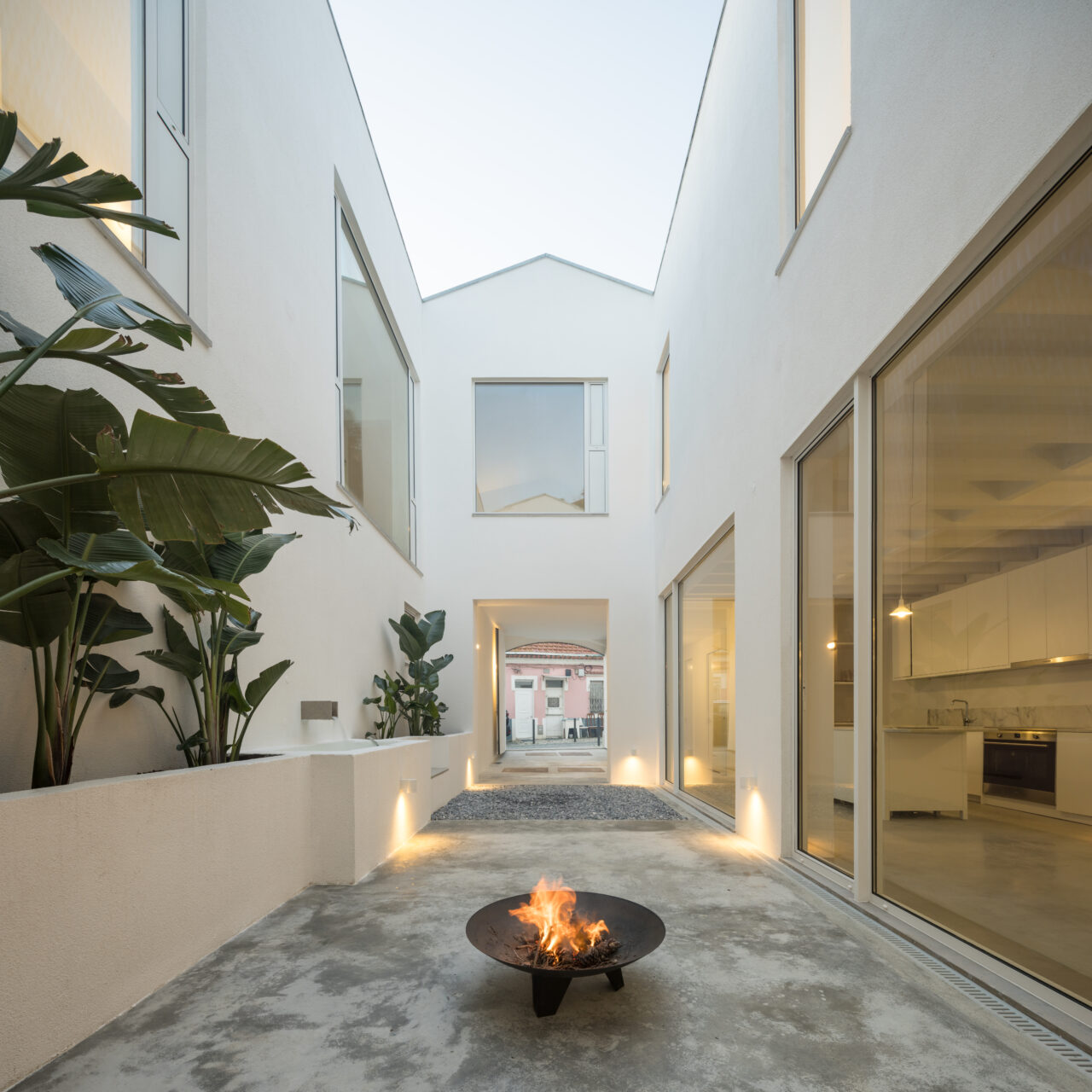
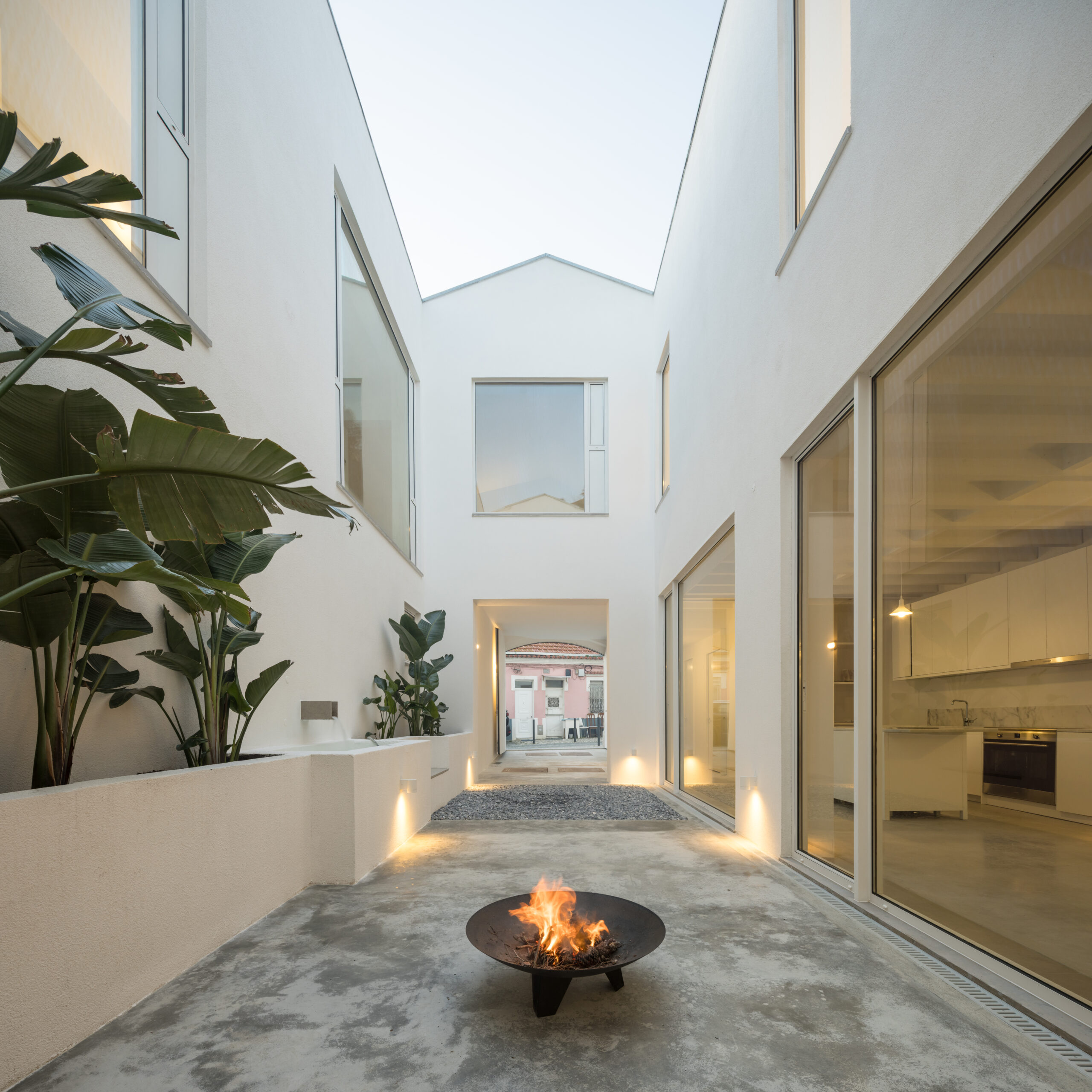
The proposal responds with the introduction of patios and skylights, which redefine the spatial organization of the two floors.
These devices establish new relationships between spaces and ensure environmental comfort throughout the day.
The proposed typology draws reference from the Roman house with an impluvium.
The central patio structures domestic life and functions as a spatial mechanism that articulates light, ventilation, and continuity between interior and exterior.
location campolide, lisboa, portugal
project 2018
client private
gross floor area 411 m2
architecture josé adrião – prinicpal
ana grácio – project manager
gonçalo diniz, leonardo marchesi
structural engineer ncrep
services engineer daj
existing photography nuno almendra
concluded photography lourenço abreu