


3D Image


3D Image


3D Image

3D Image

3D Image


3D Image
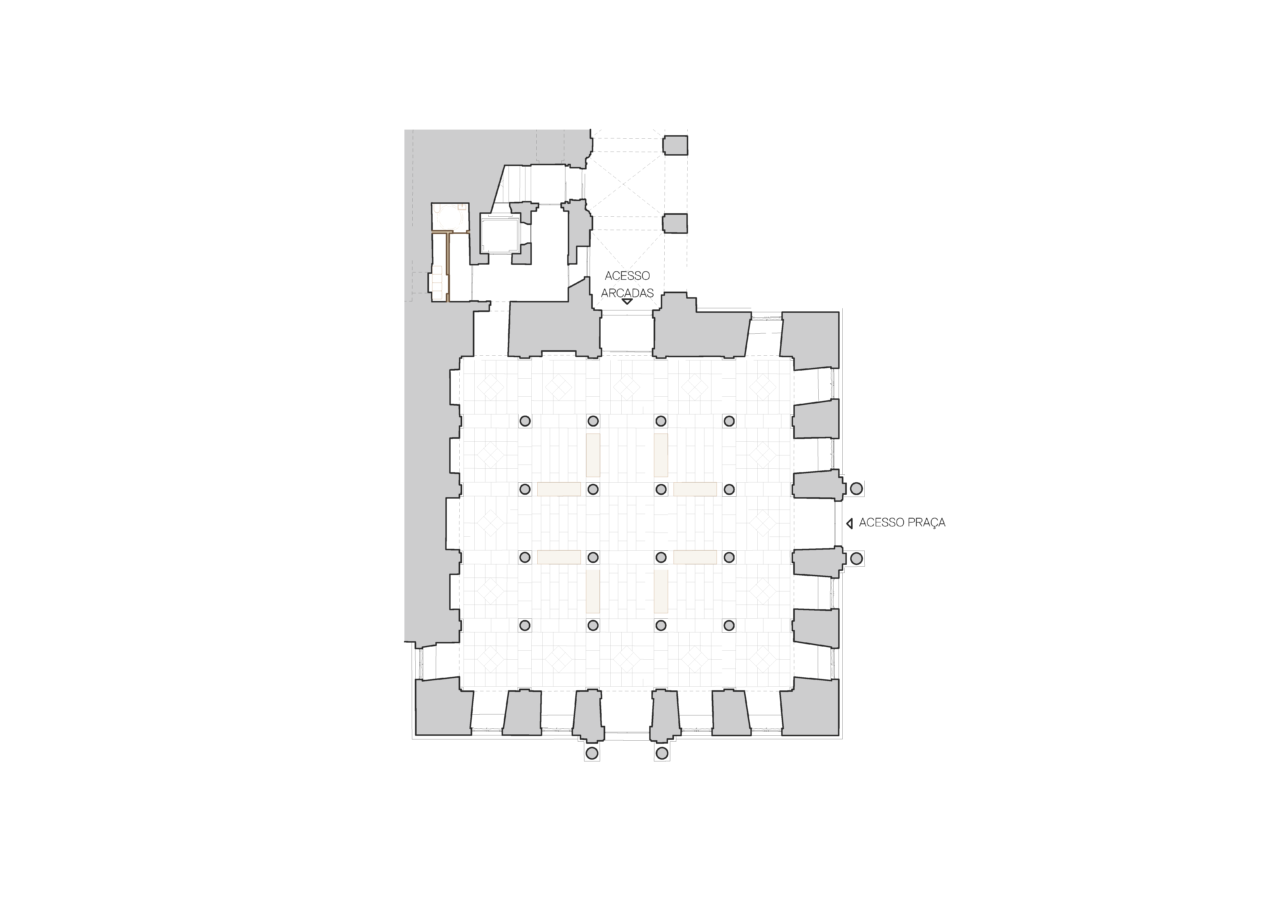
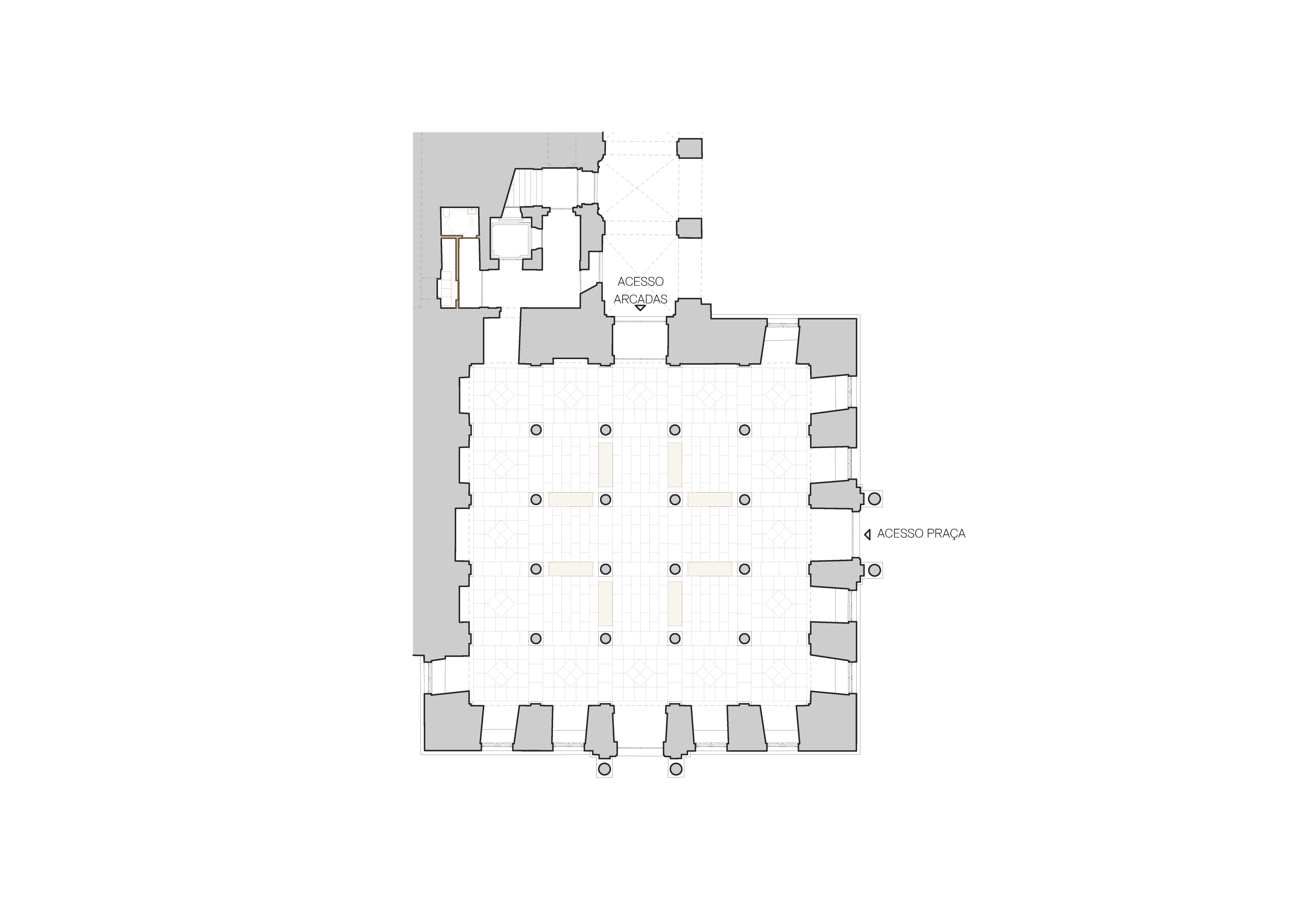
Ground Floor Plan

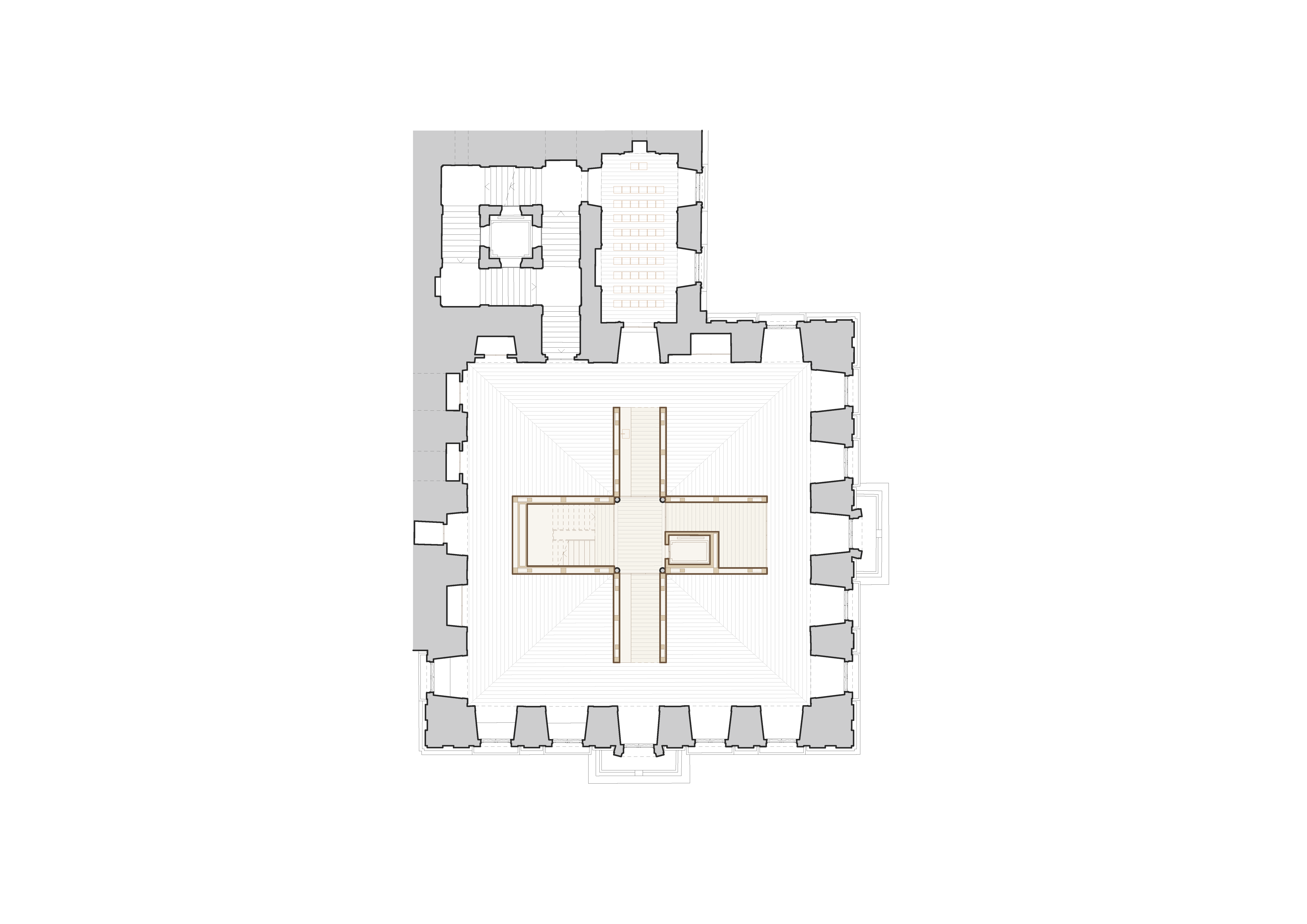
First Floor Plan
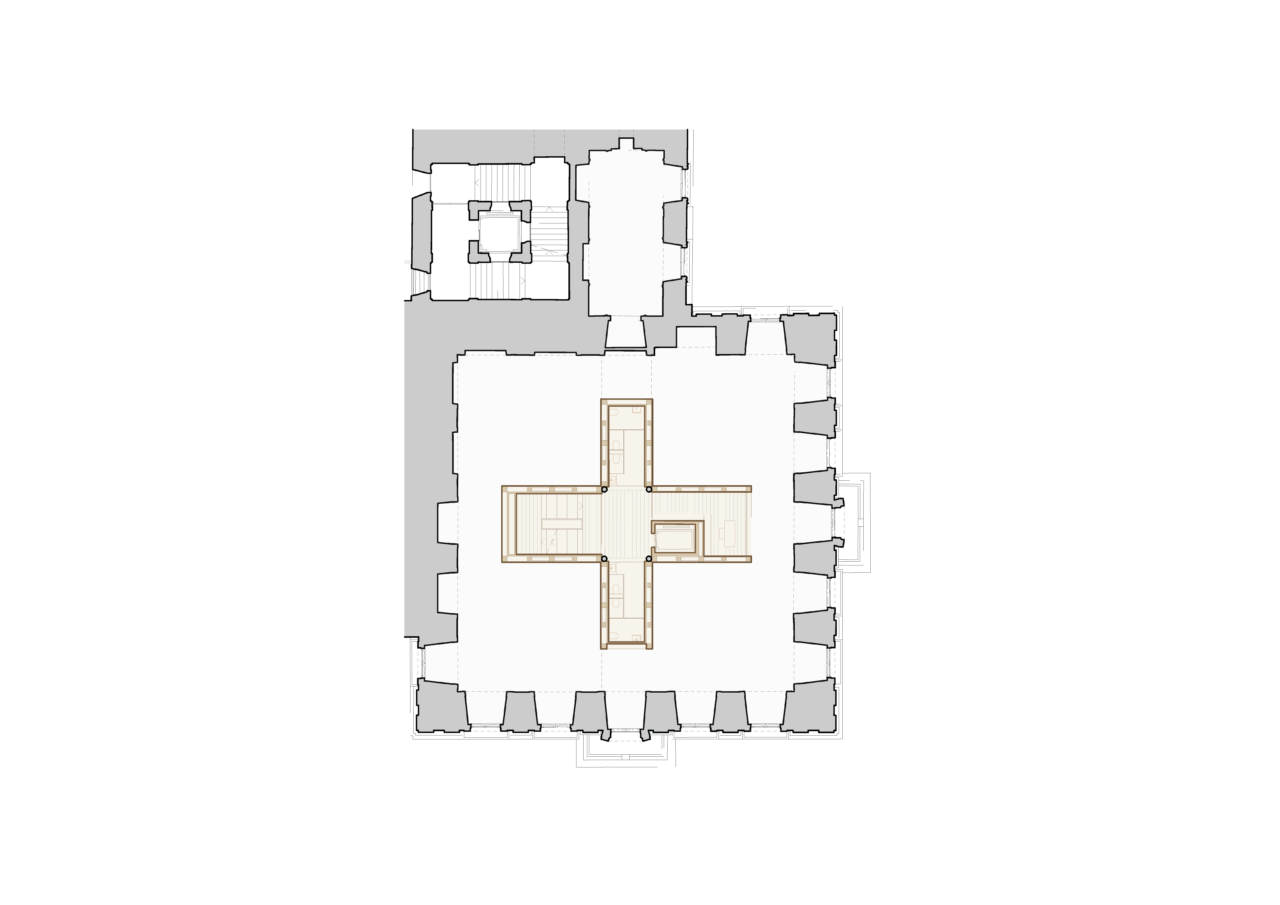
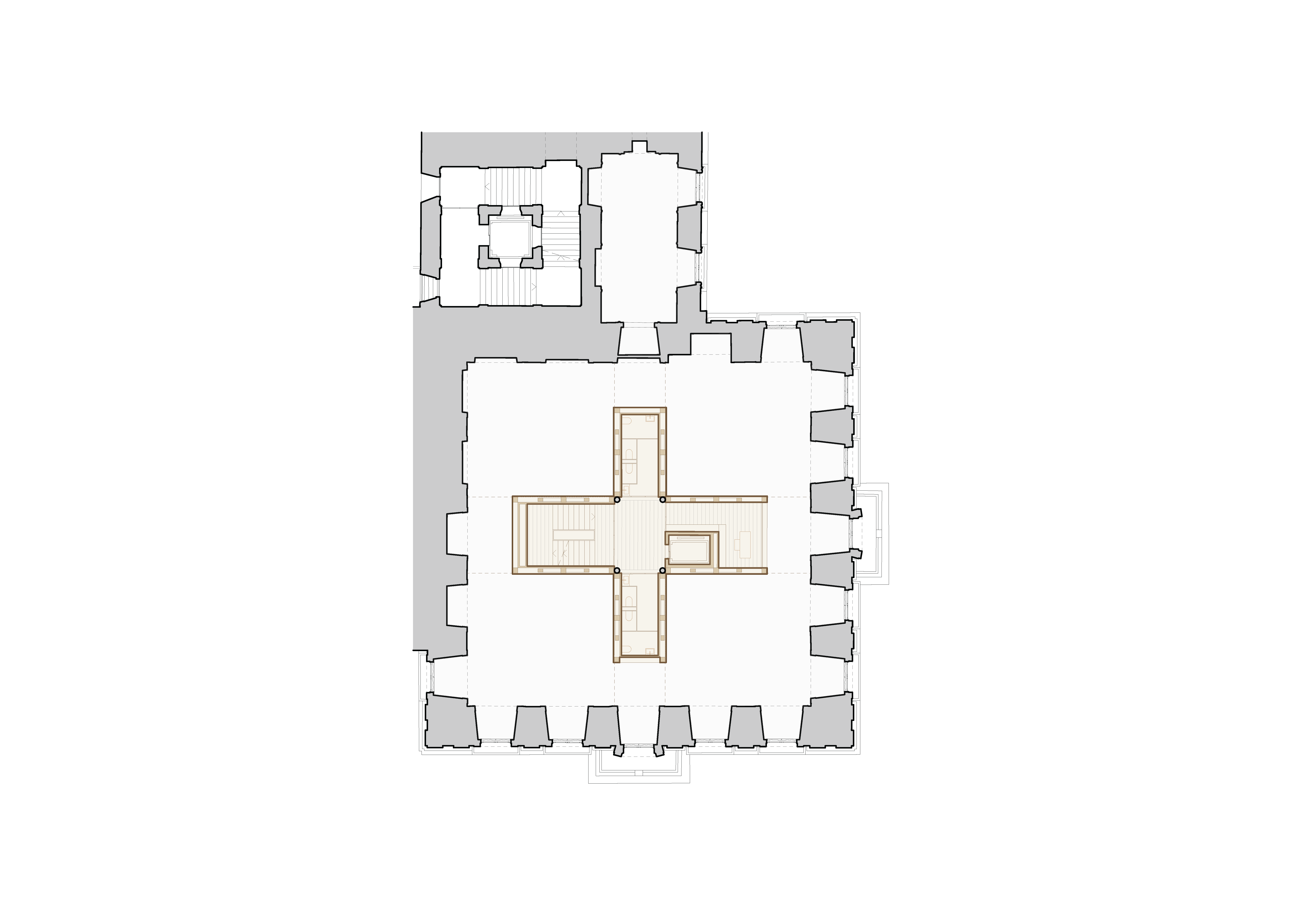
First Floor (a) Plan
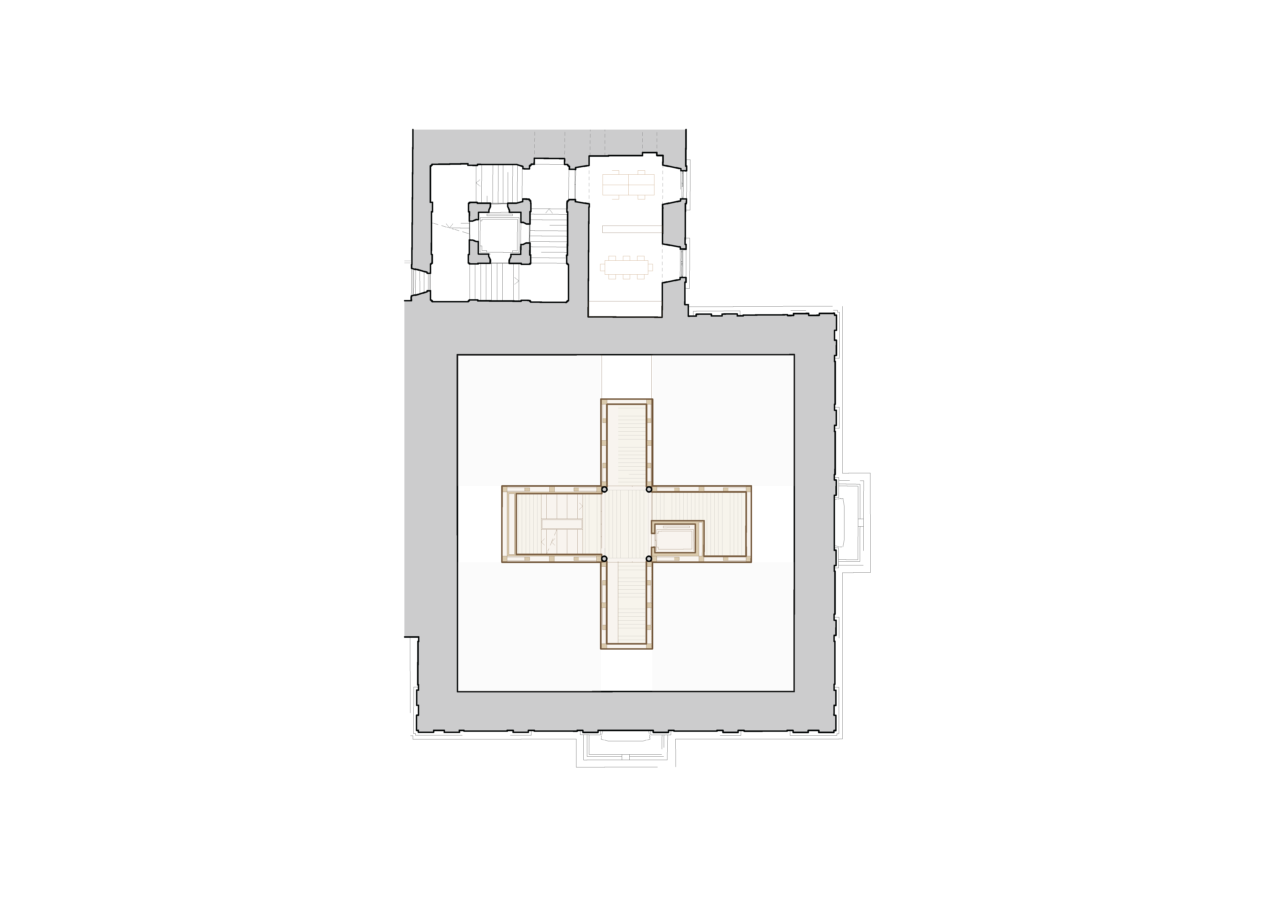
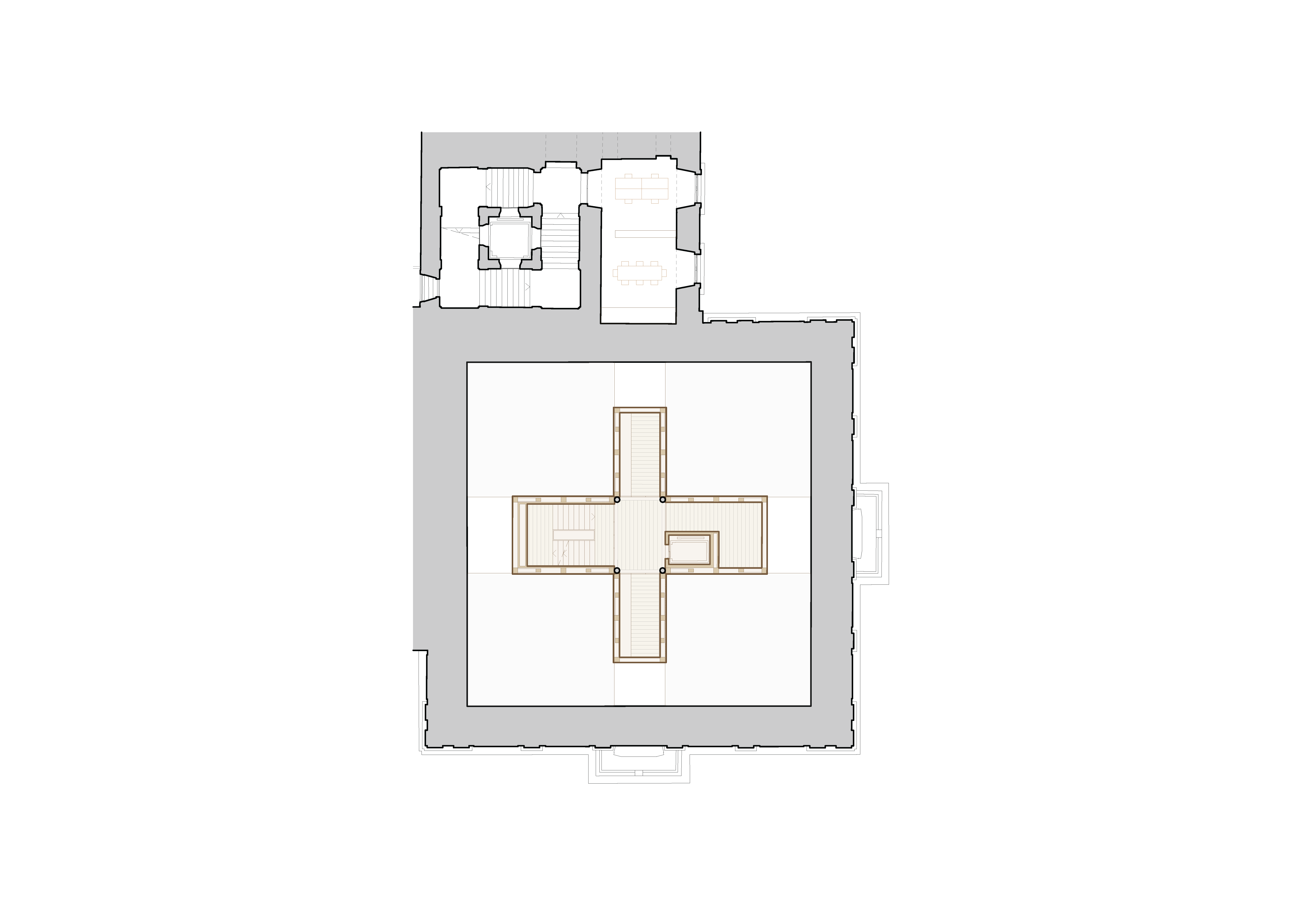
First Floor (b) Plan
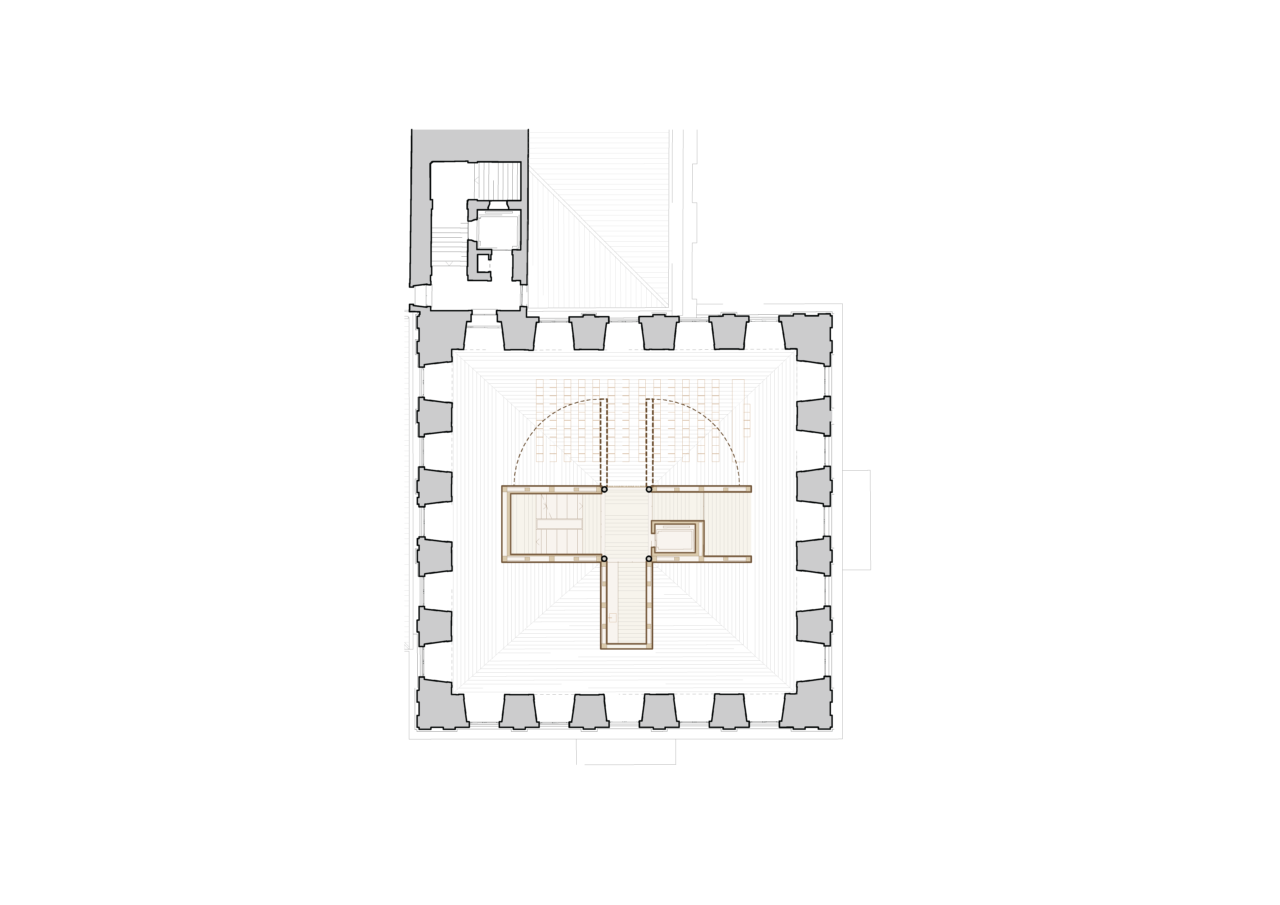
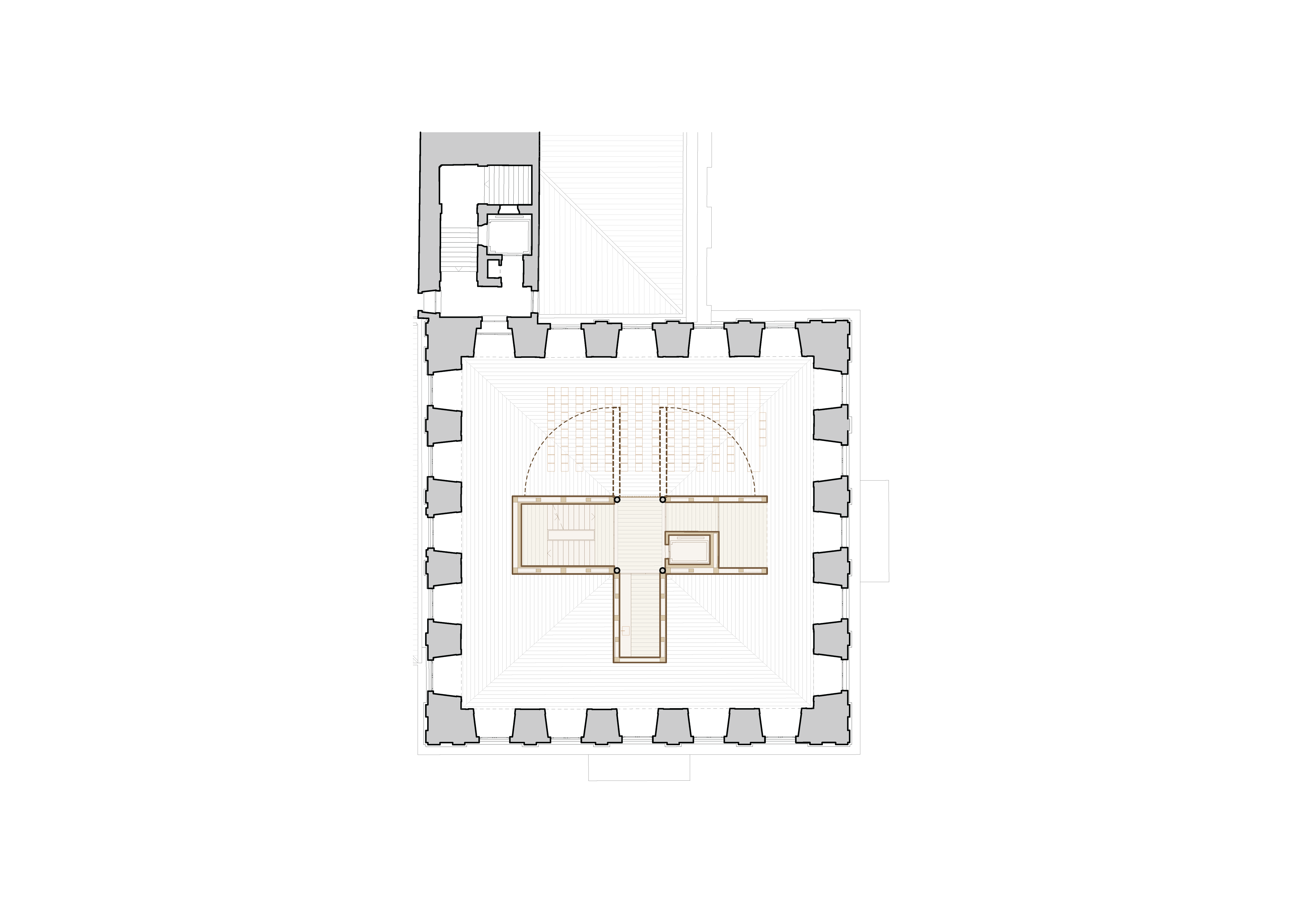
Second Floor Plan
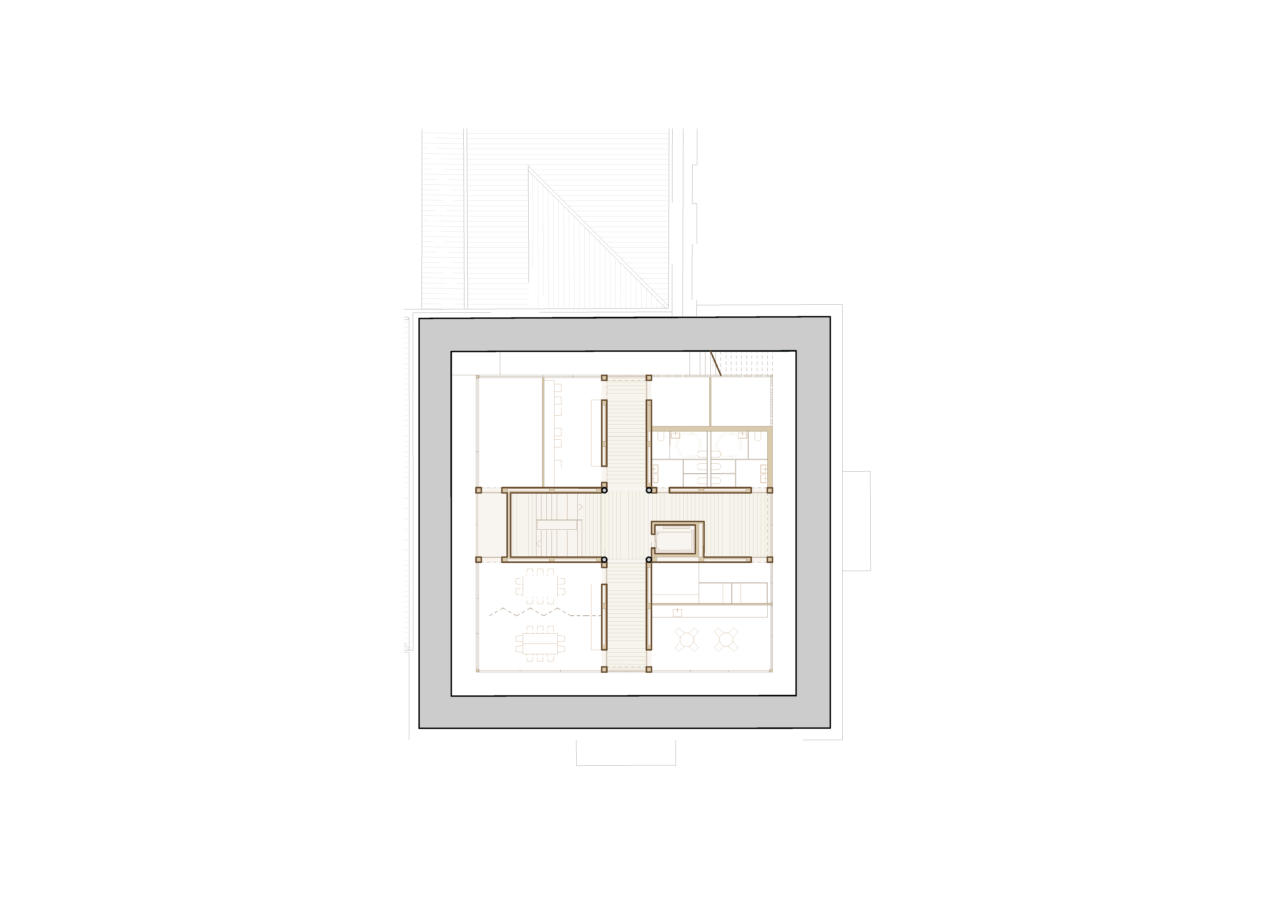
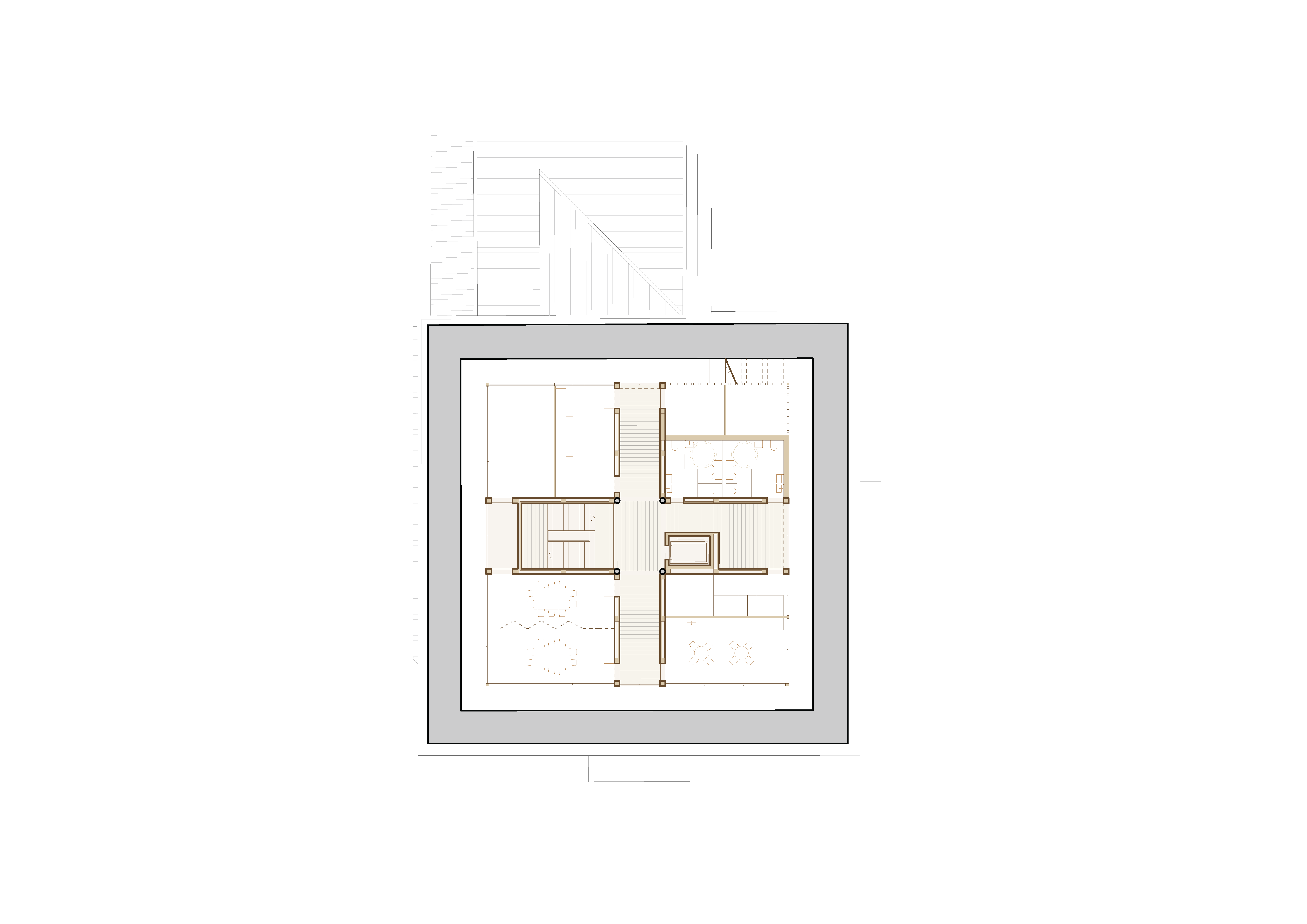
Third Floor Plan


Roof Plan
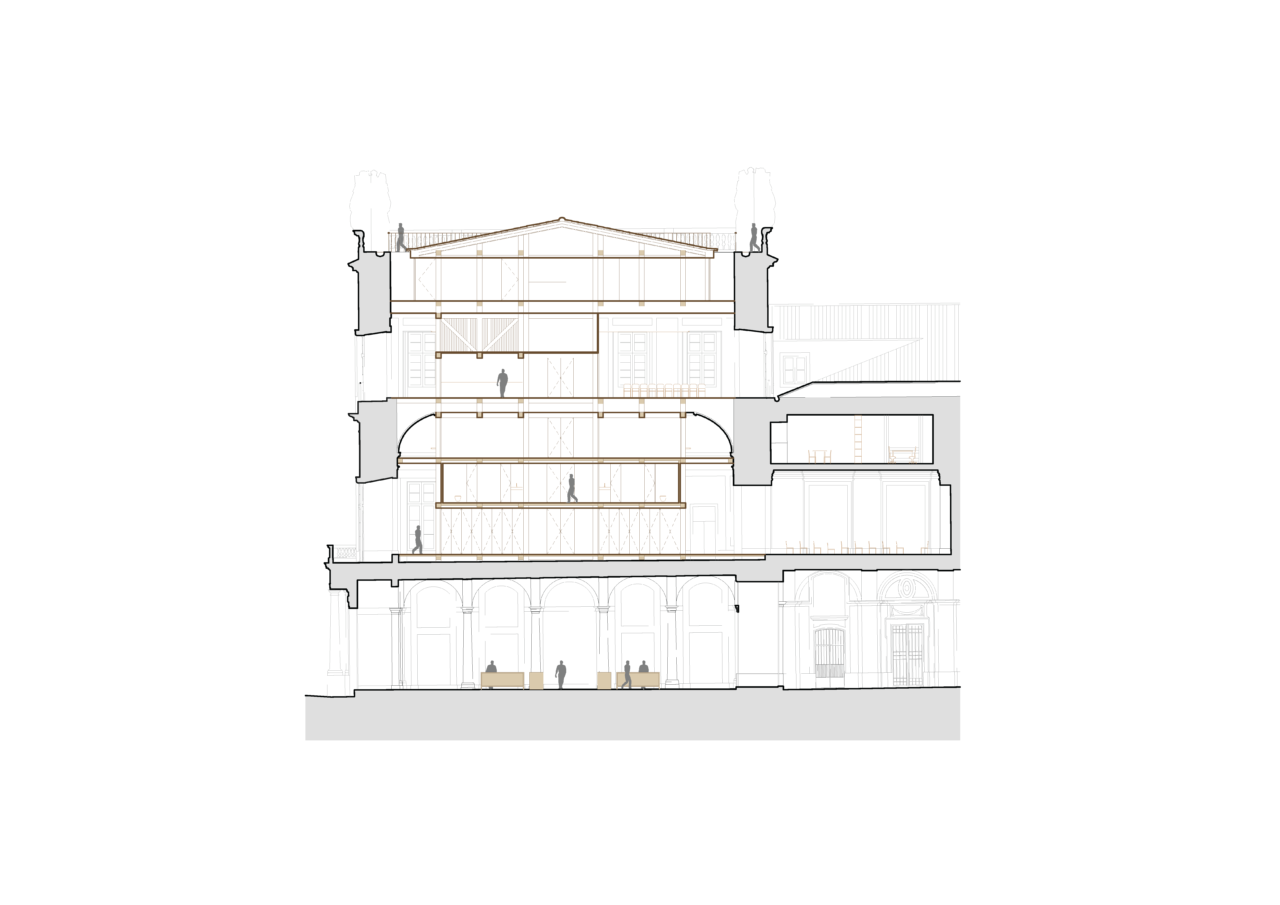
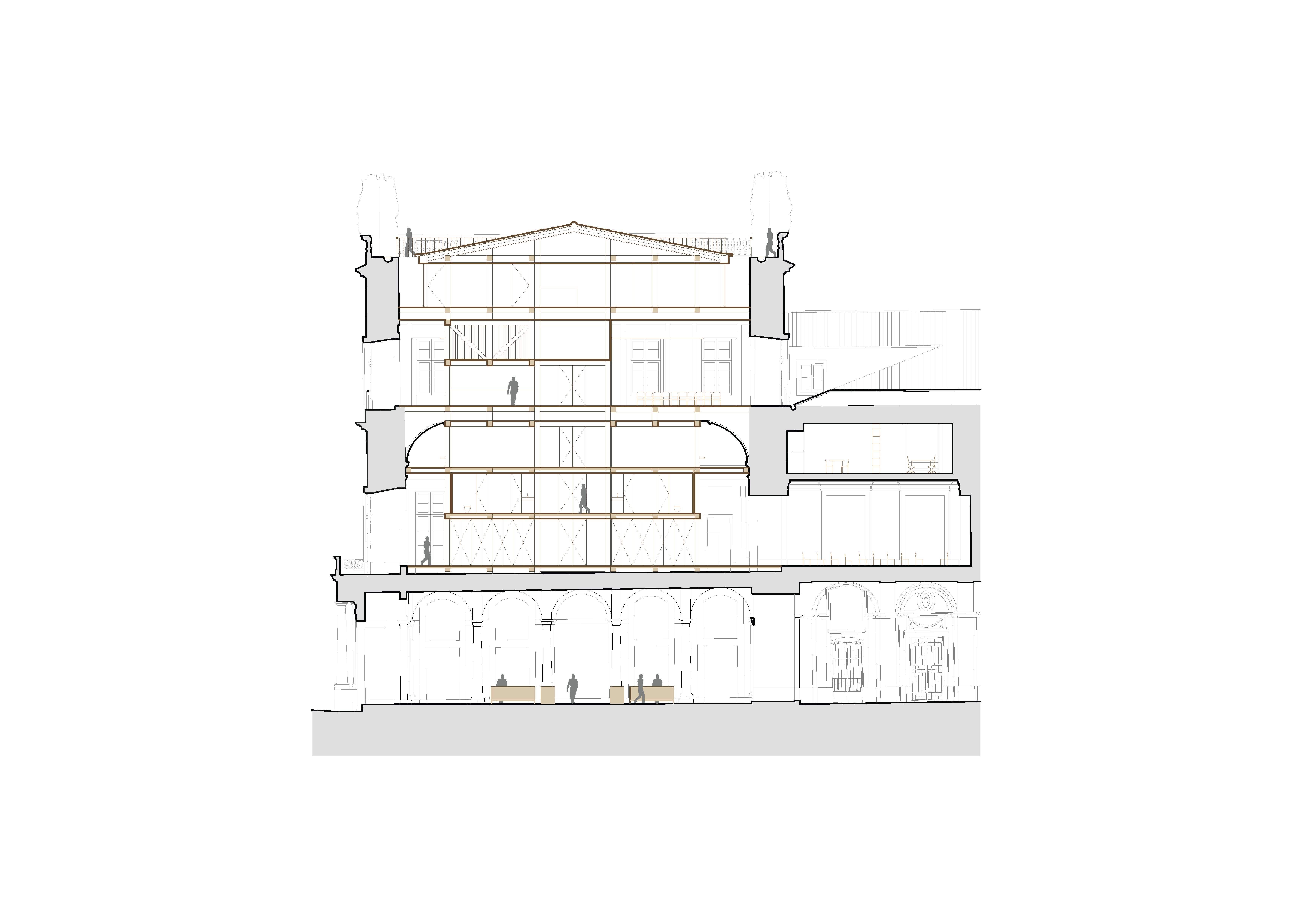
Longitudinal Section
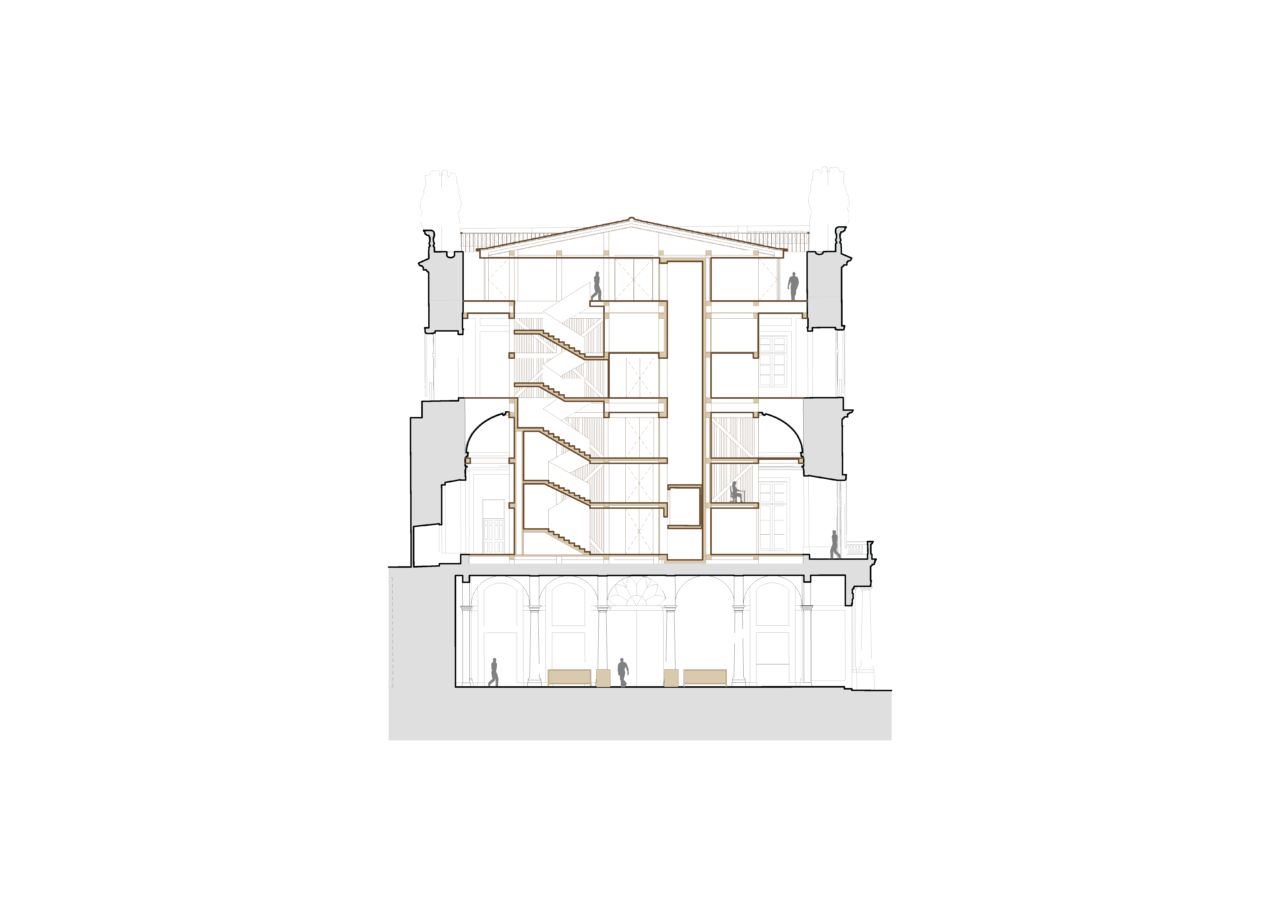
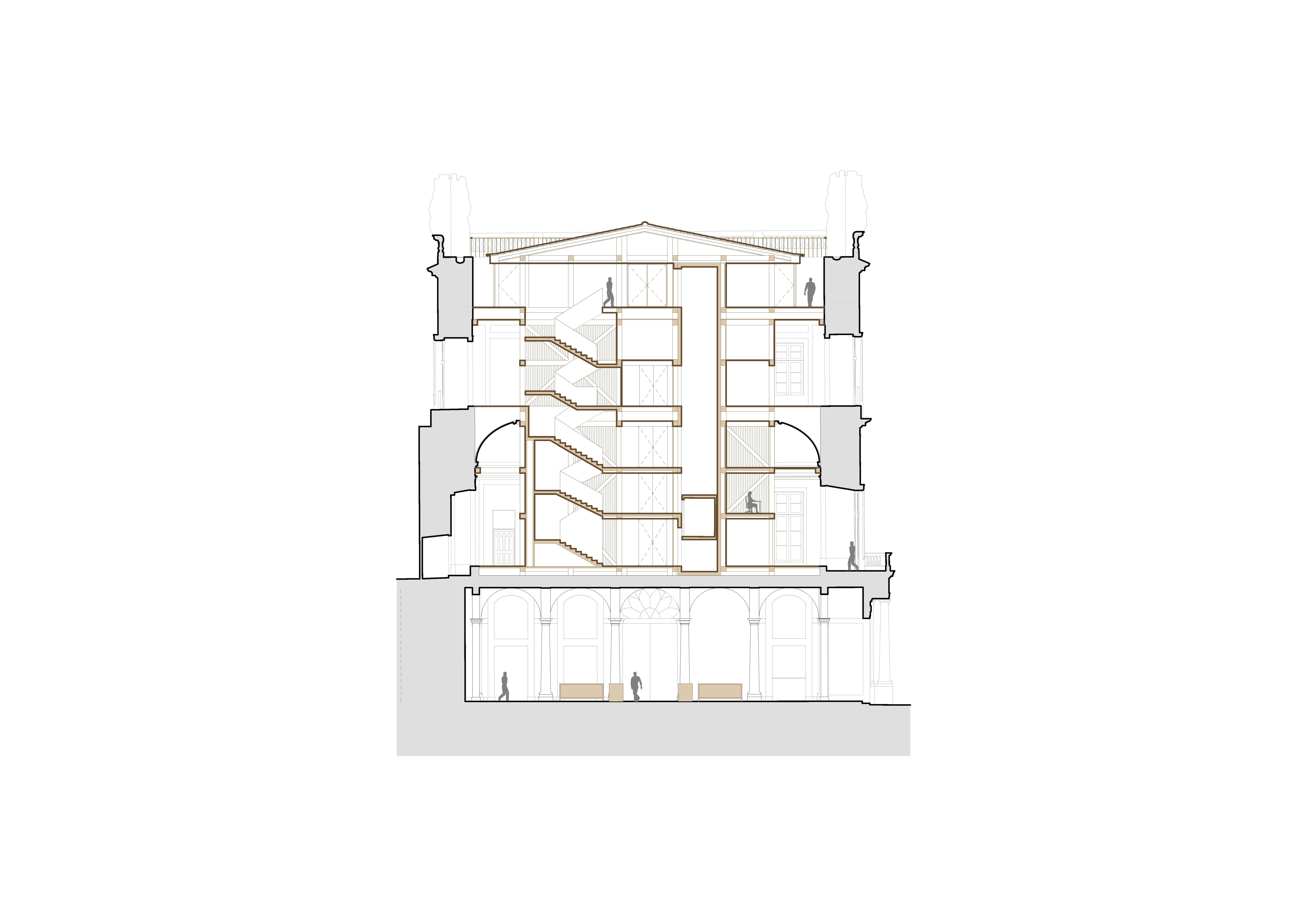
Cross Section
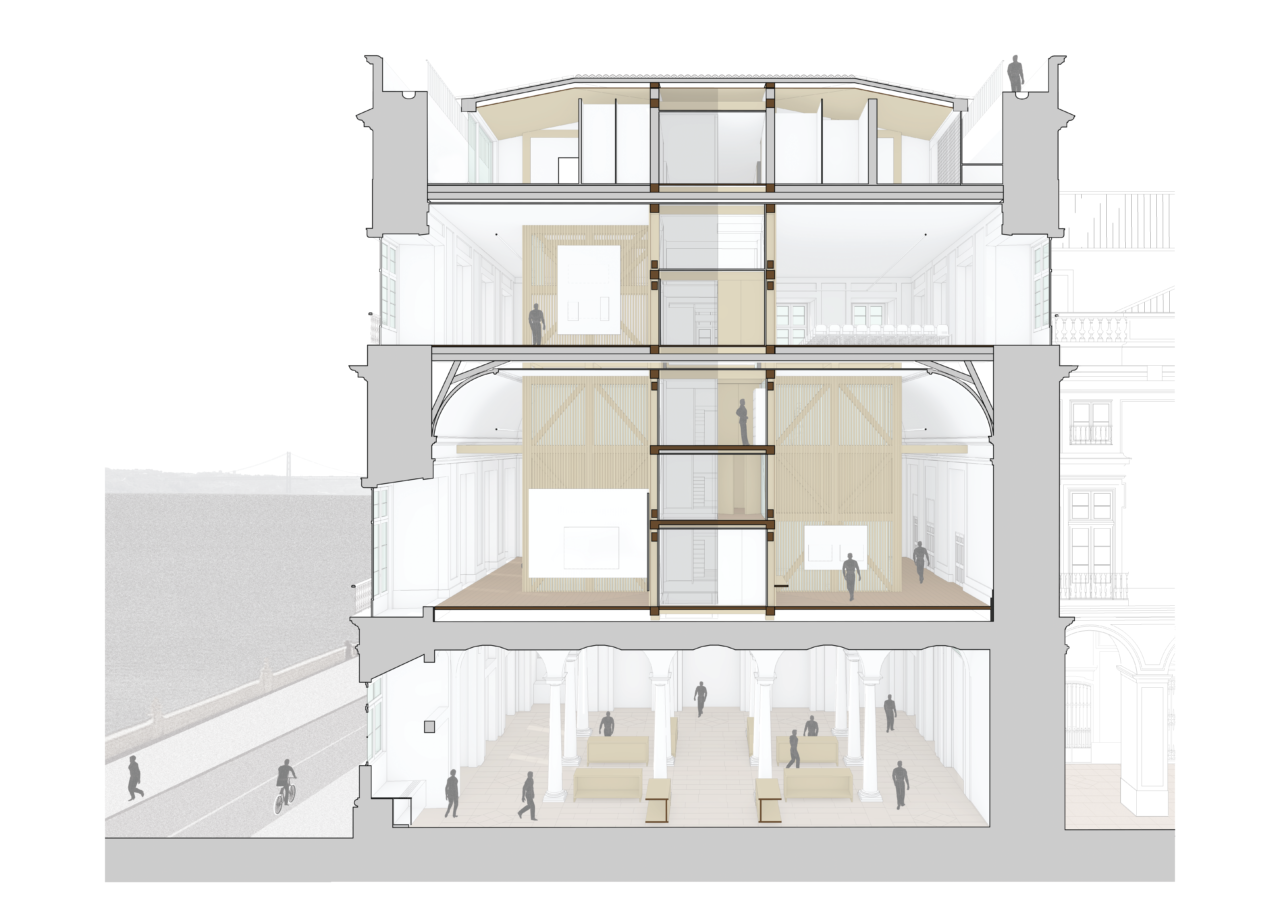
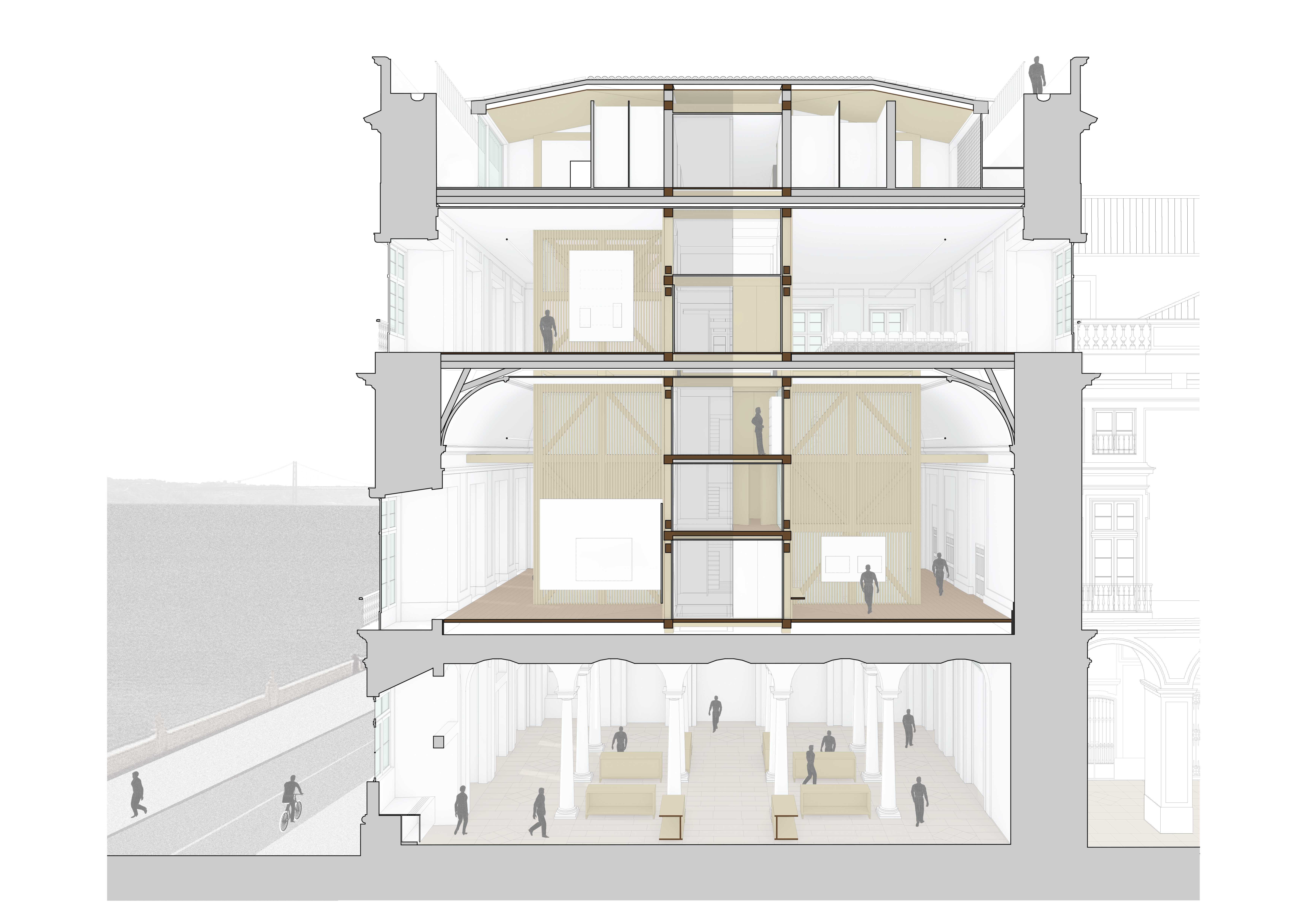
General Section
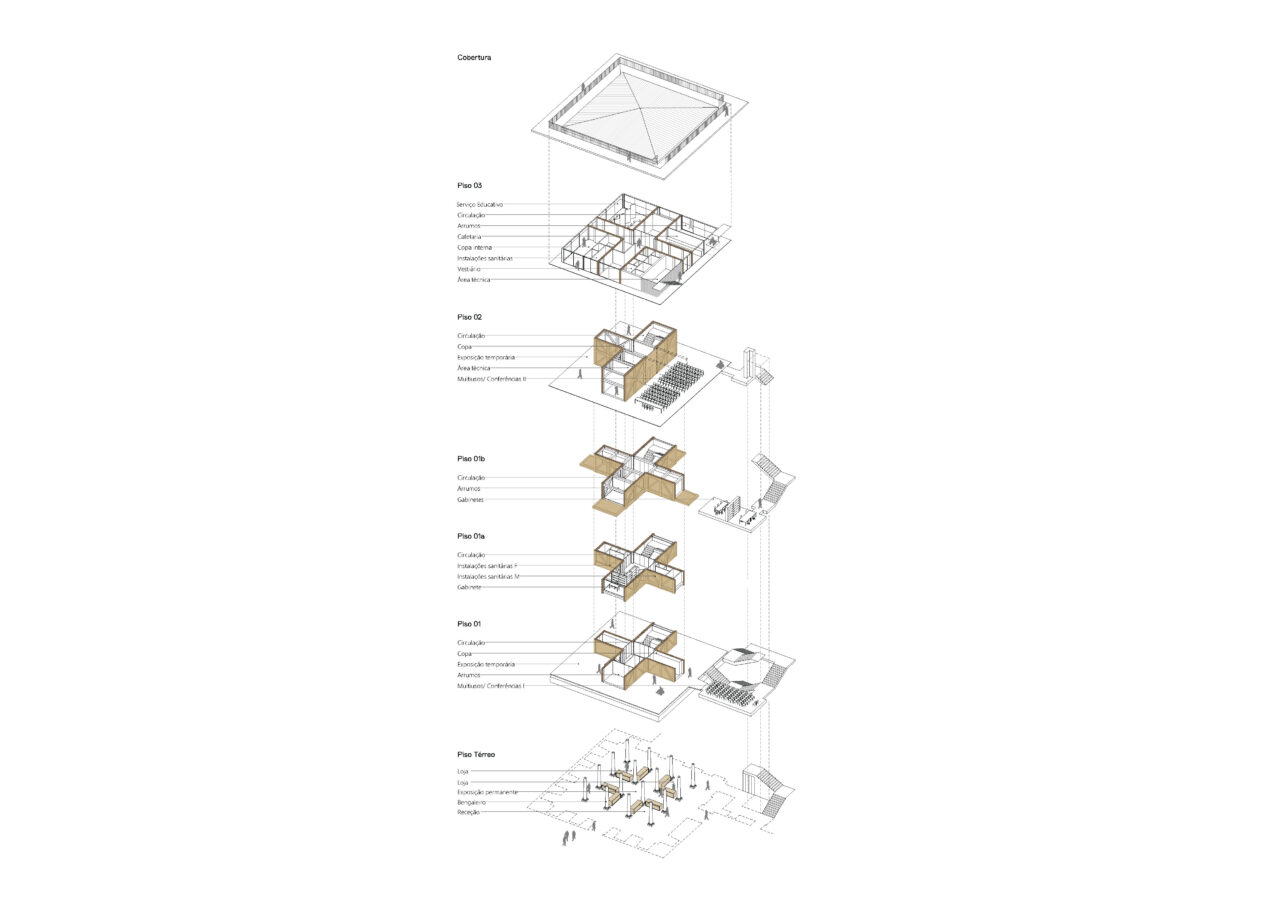
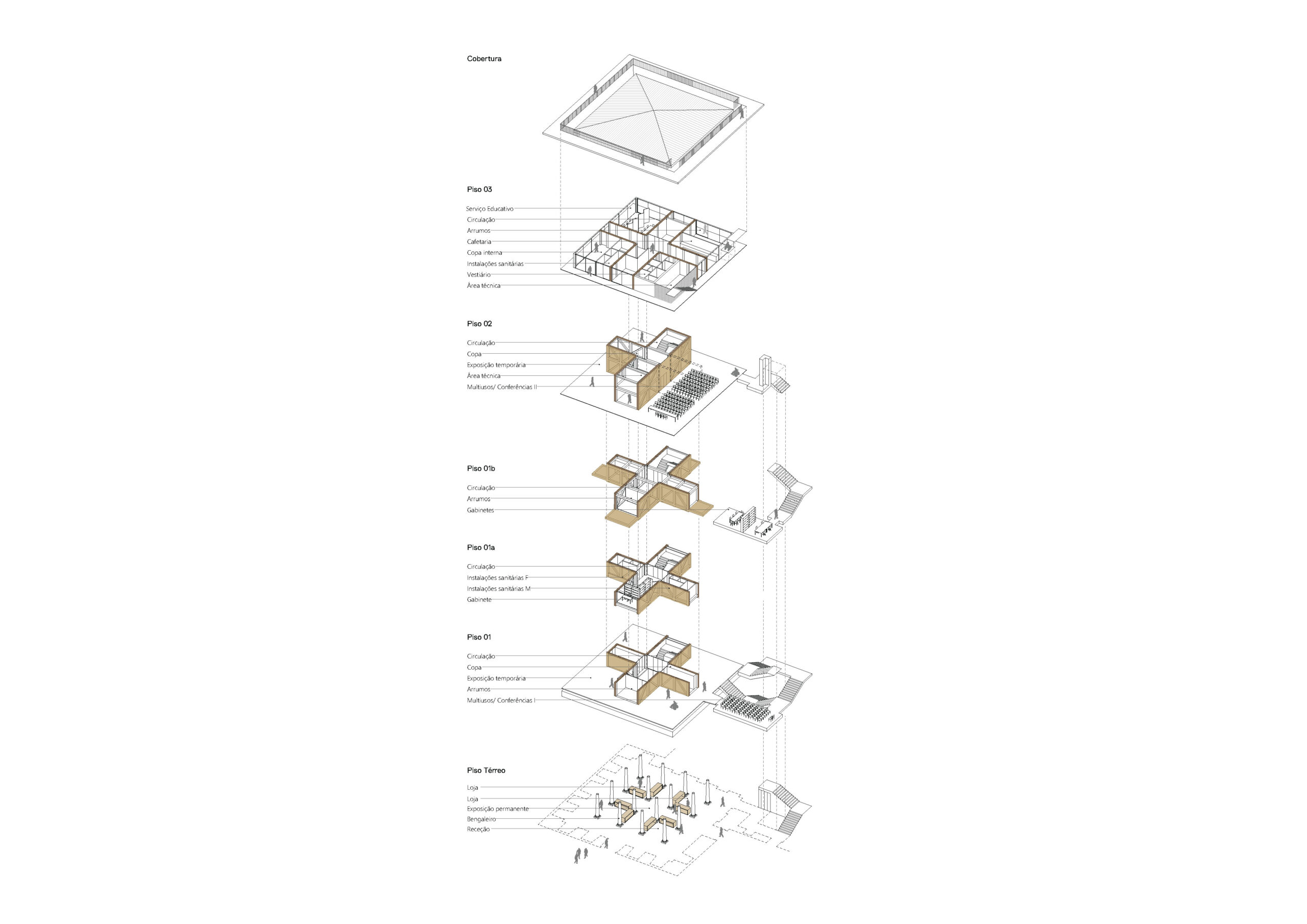
General Axonometric Diagram
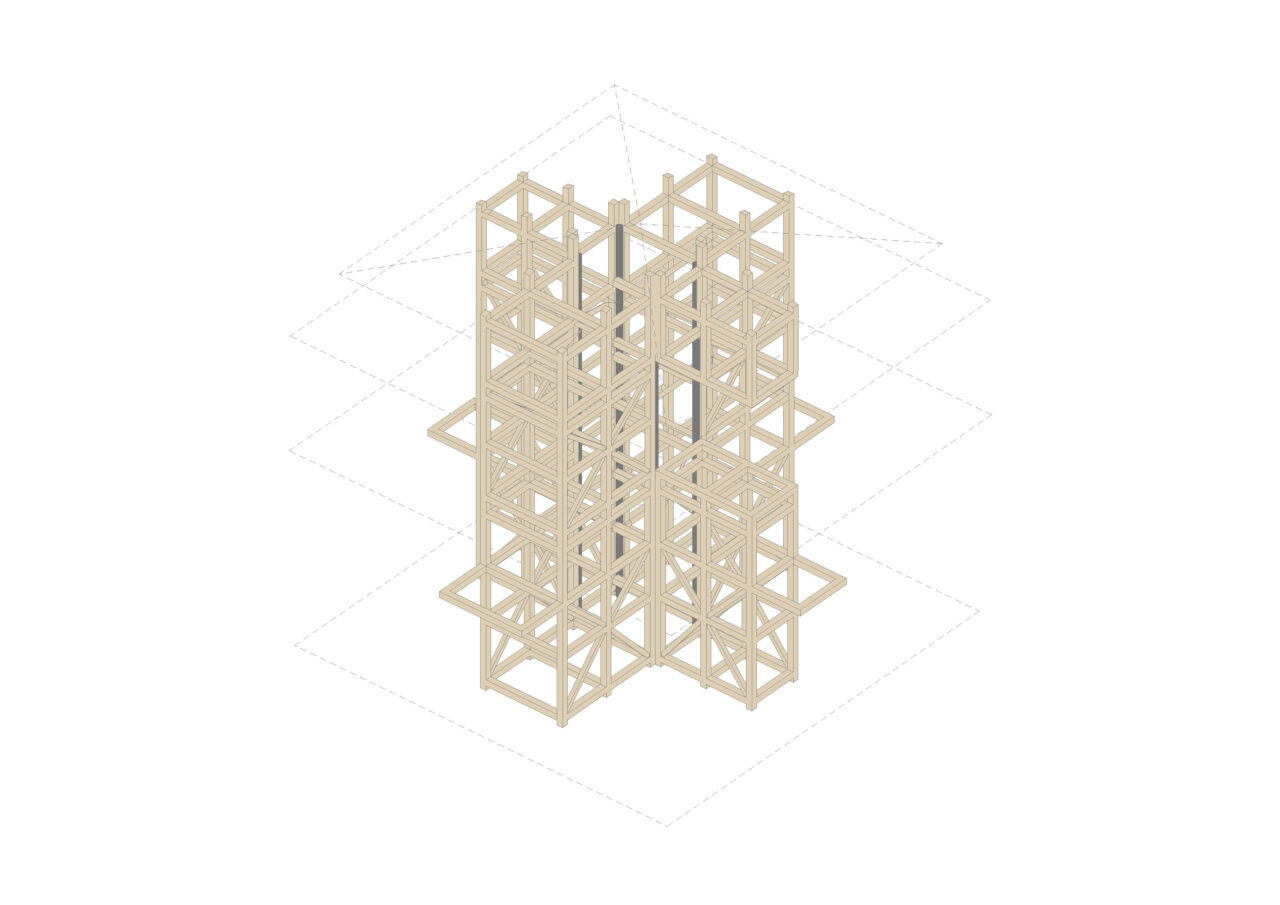
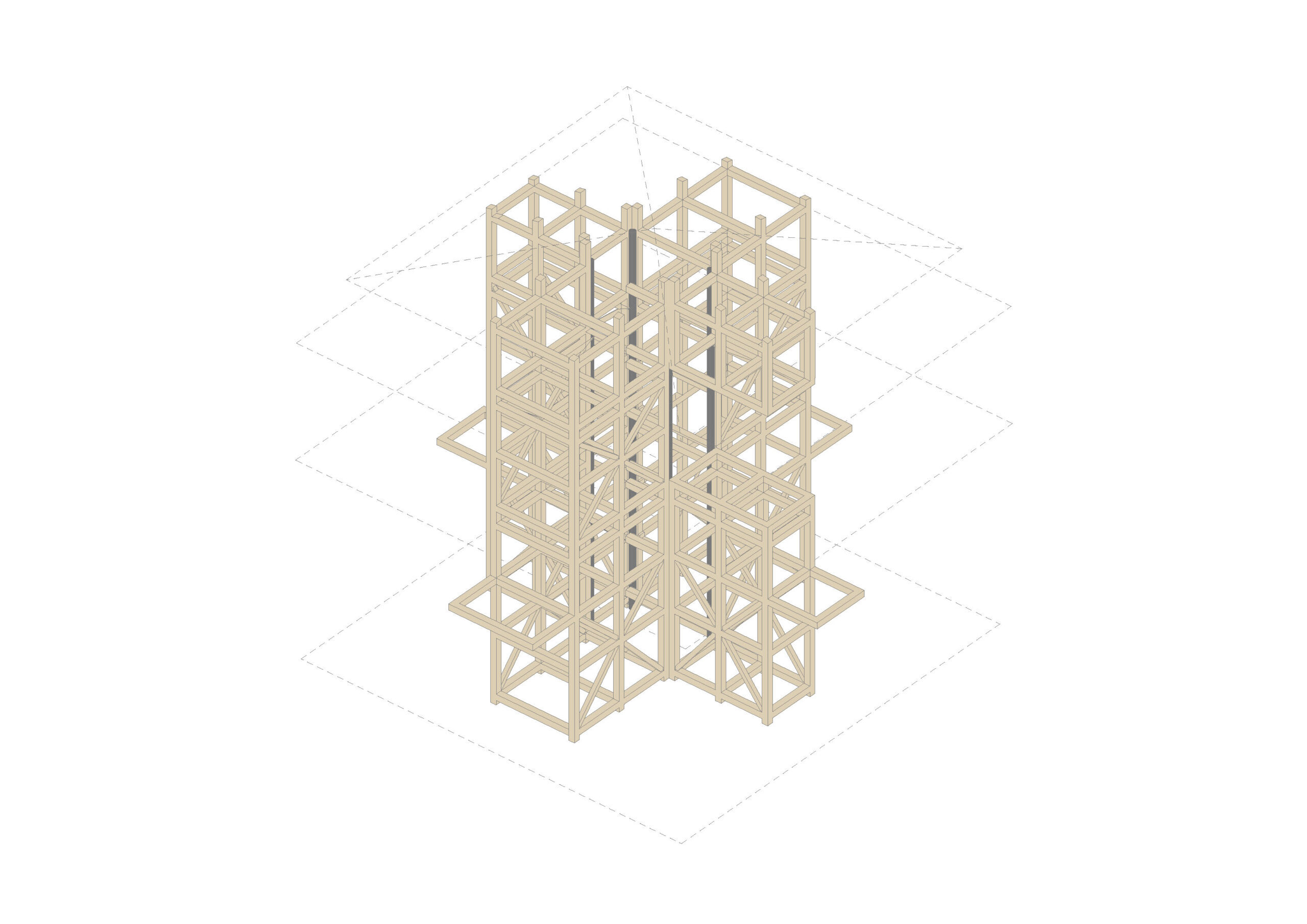
Structural Axonometric Diagram
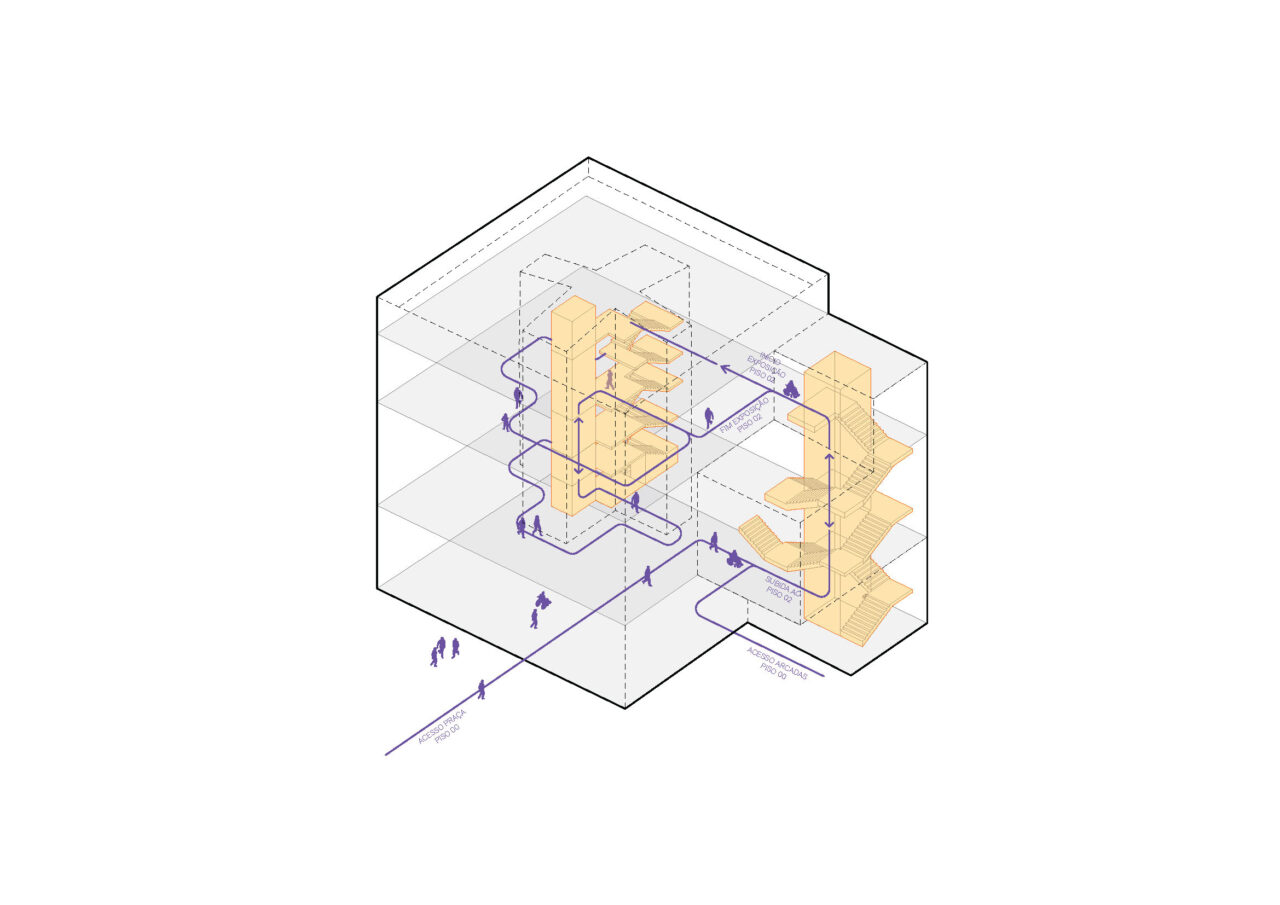
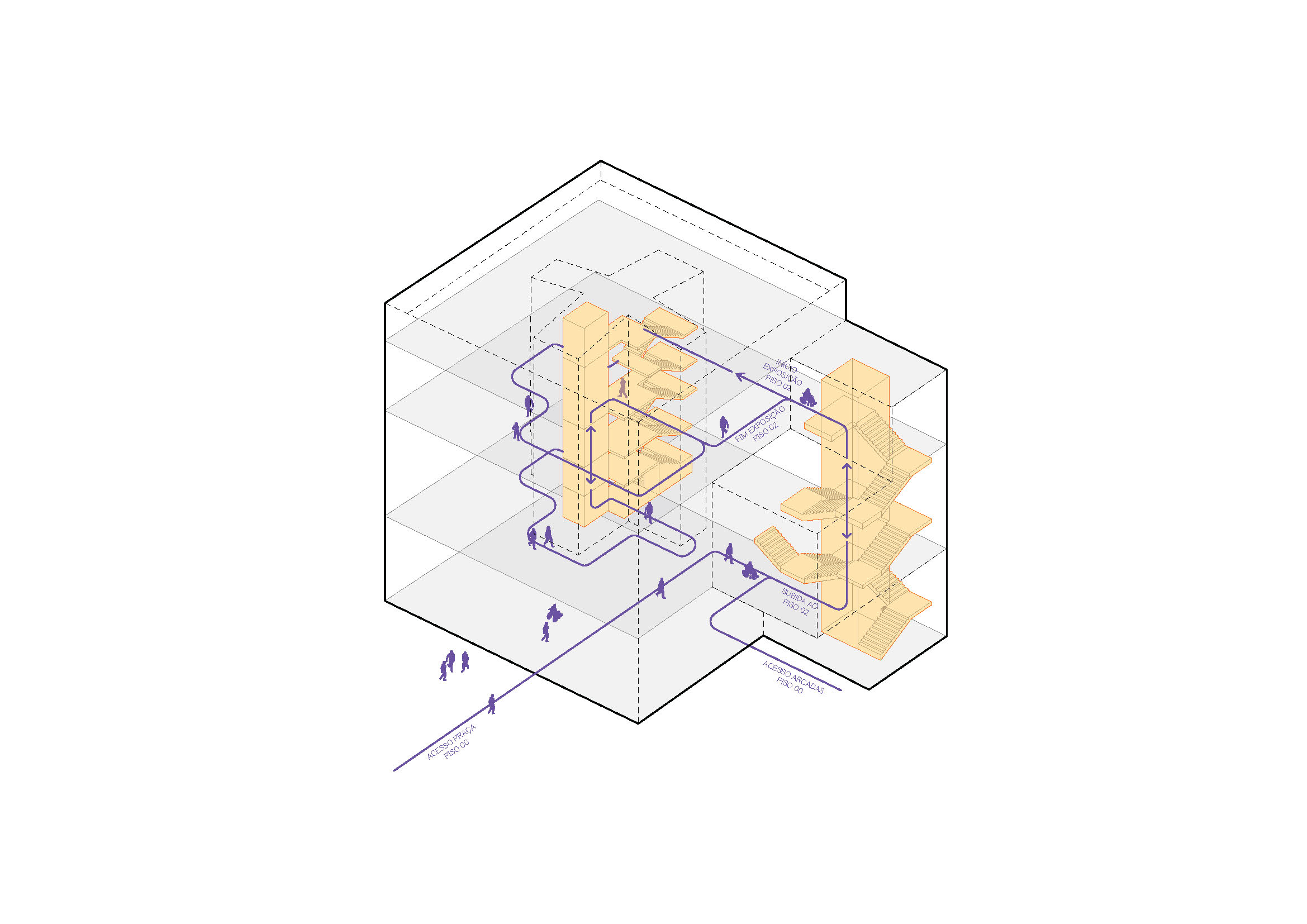
Accessible Route Diagram

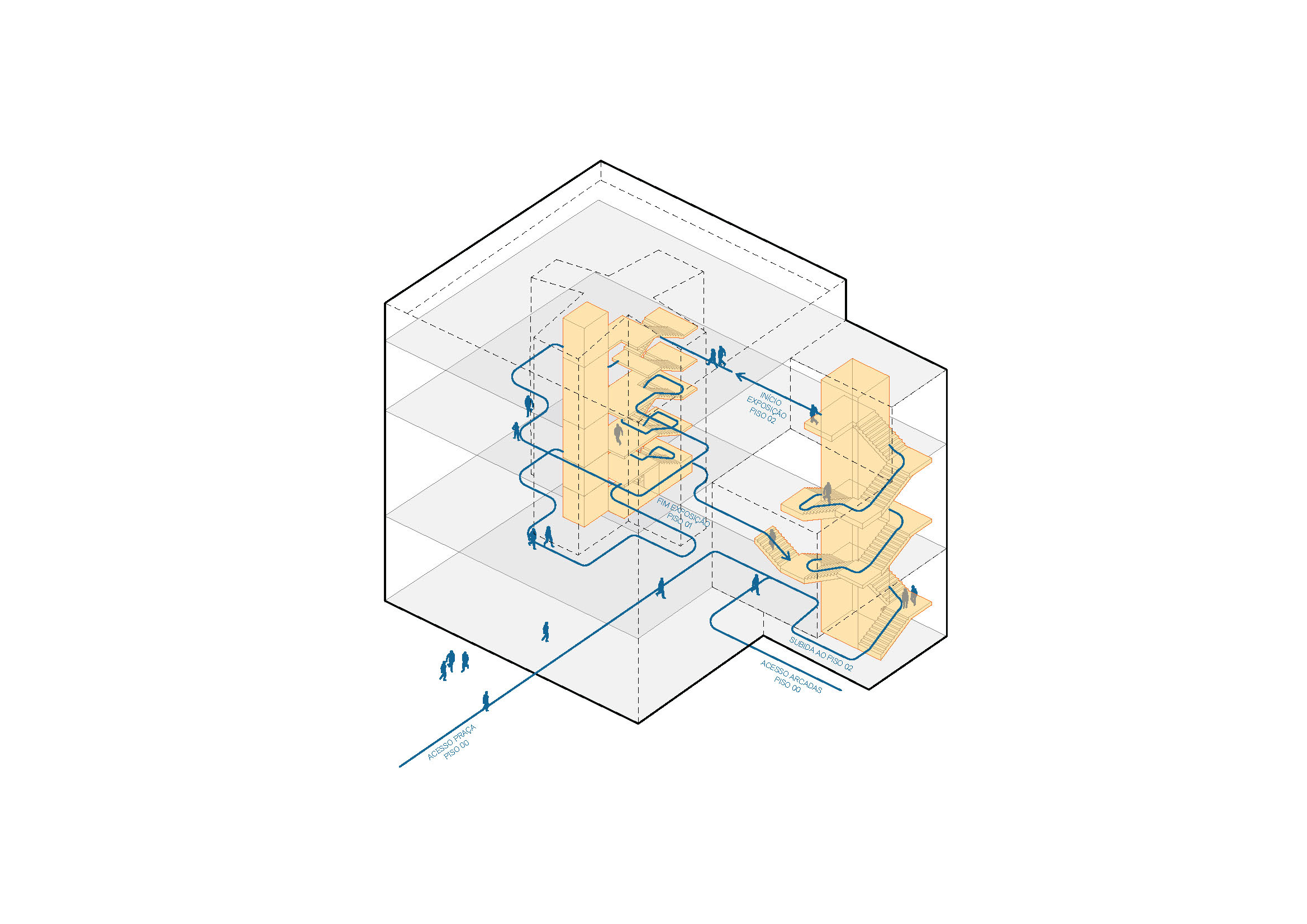
Exhibition Circulation Diagram


HVAC Axonometric Diagram


Existing

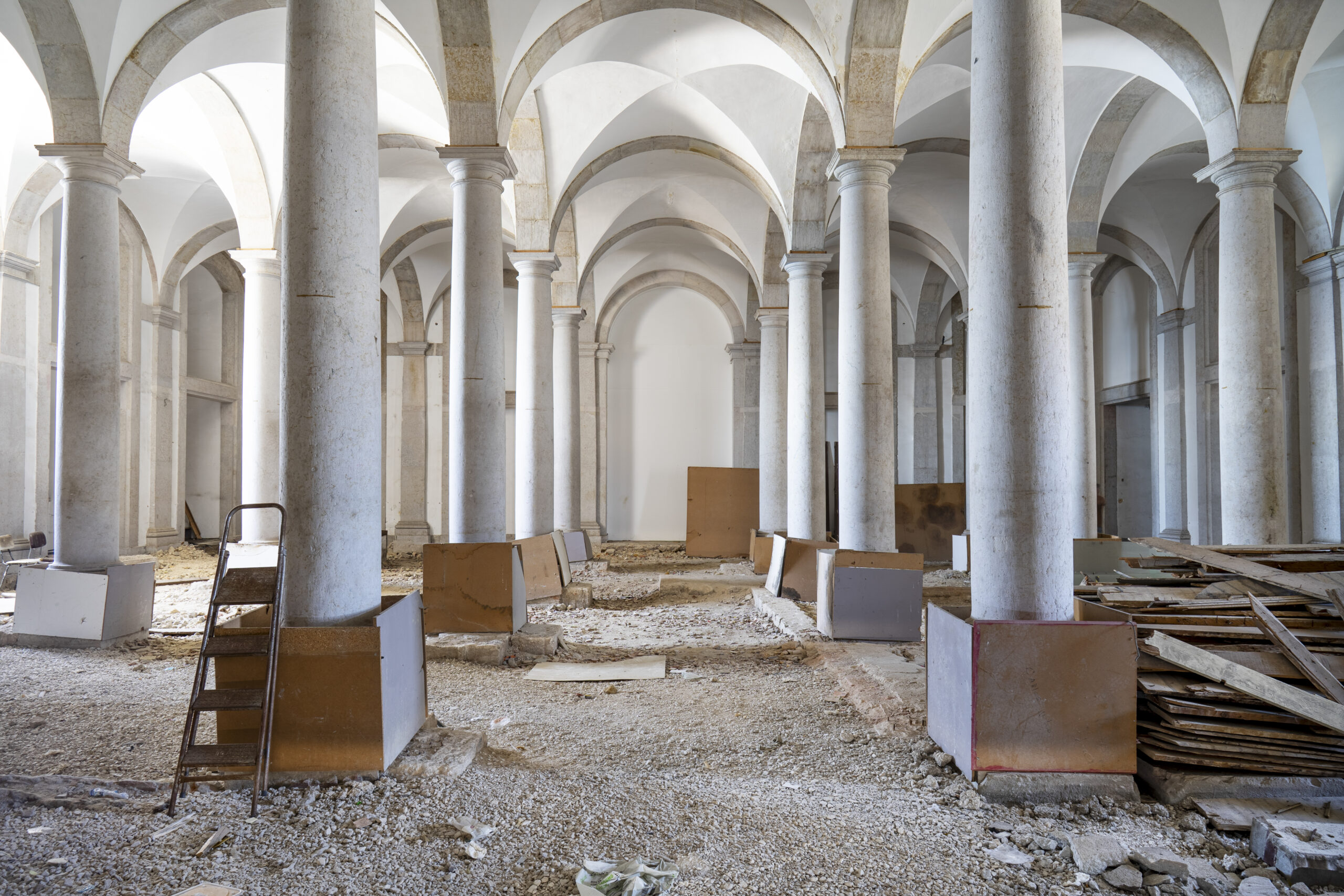
Existing


Existing
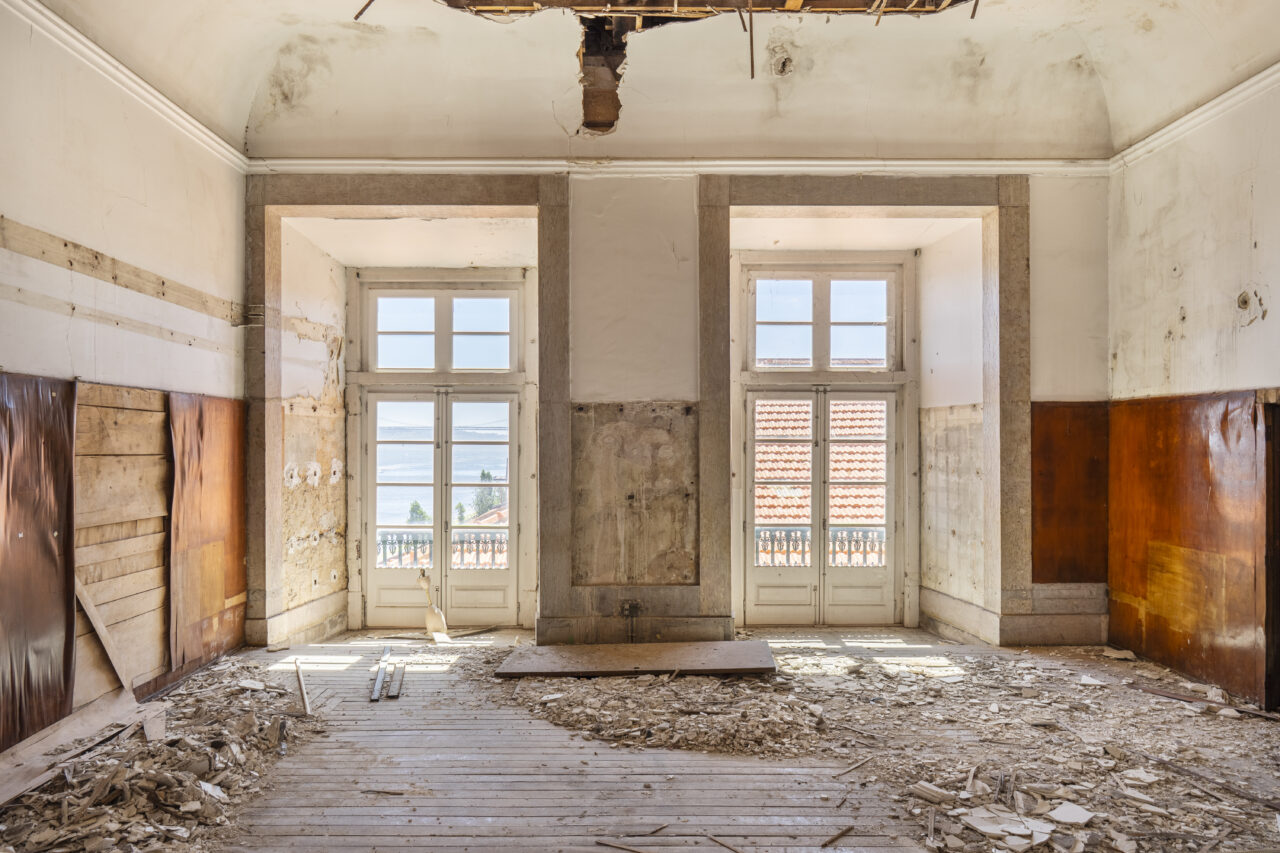
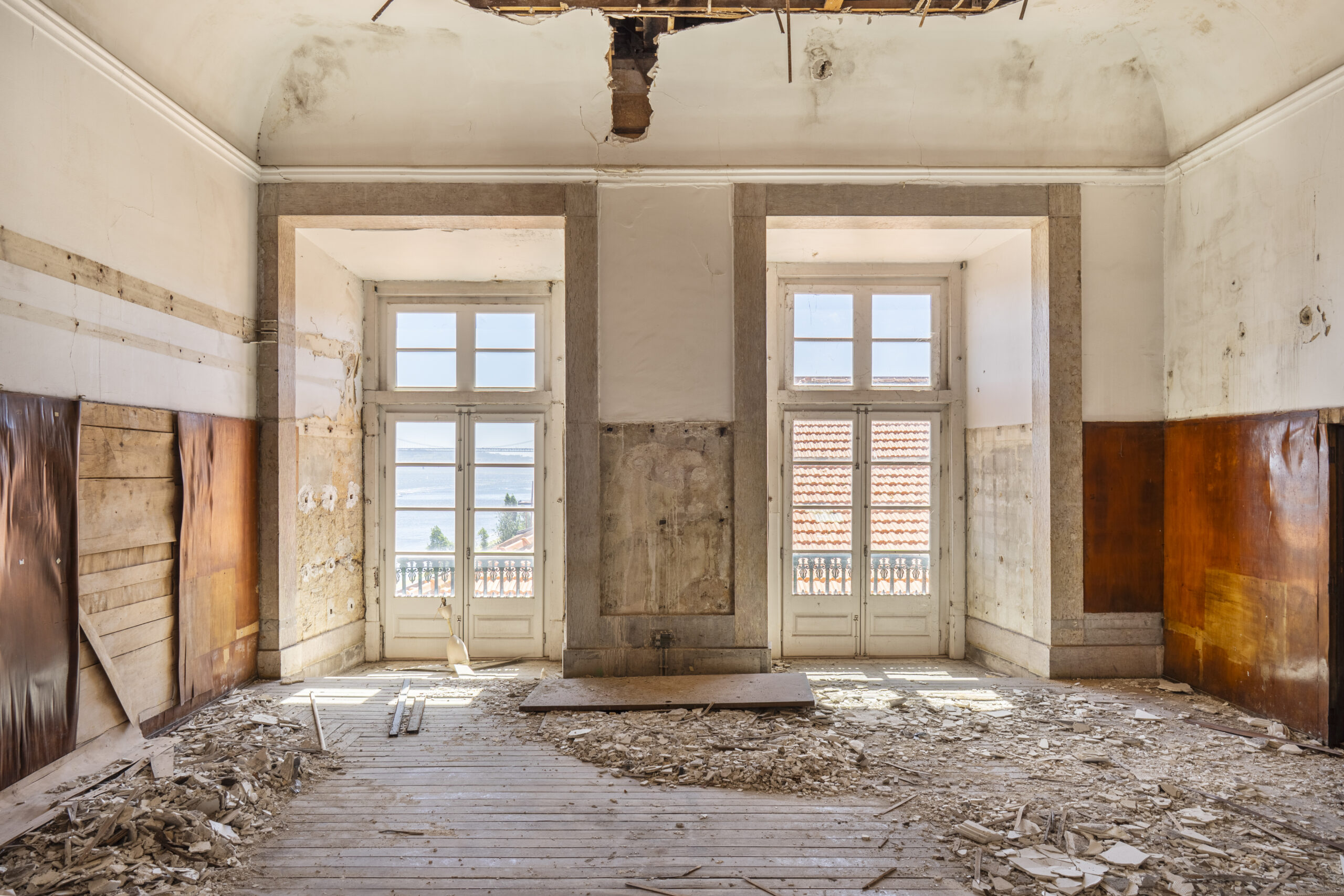
Existing


Existing

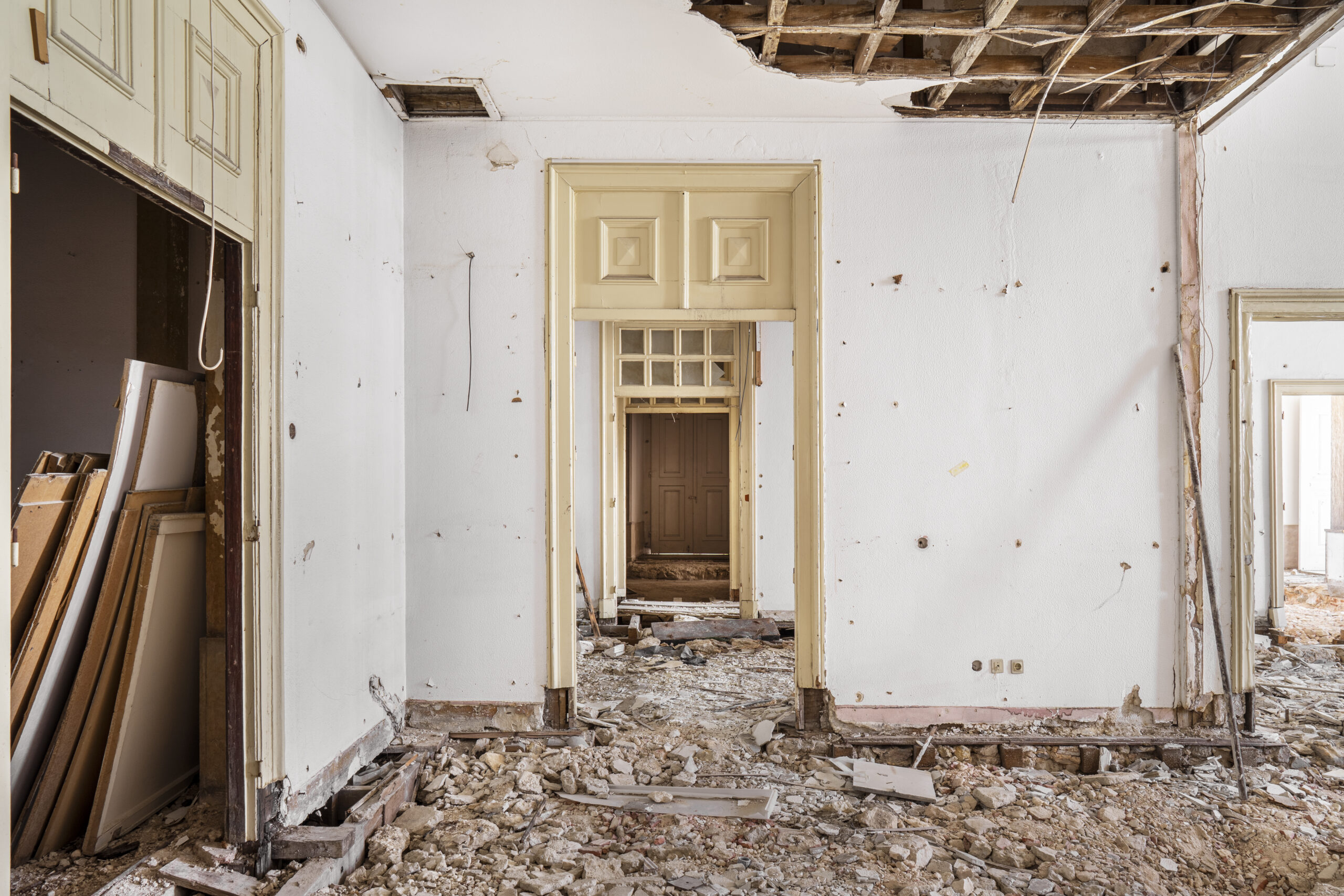
Existing
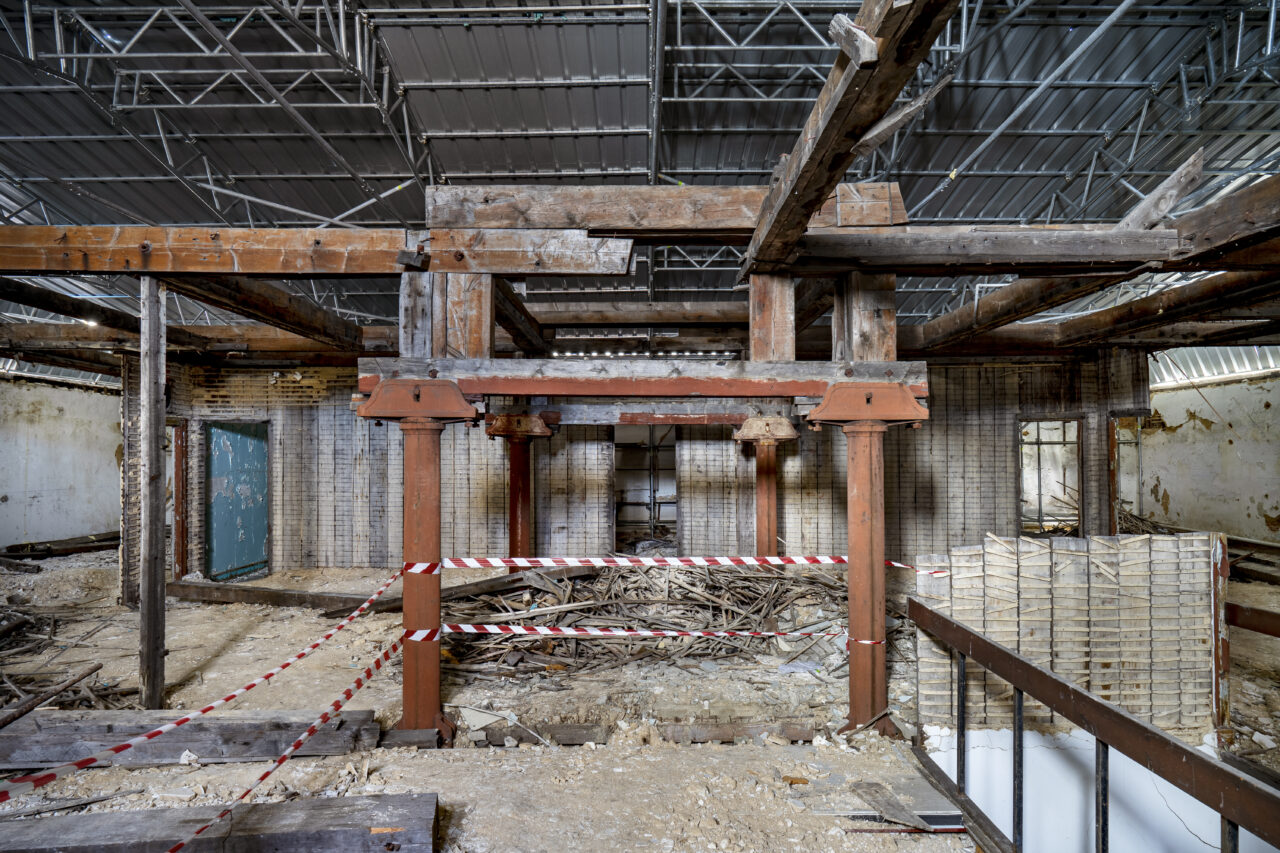

Existing


Existing
227 Torreão Poente
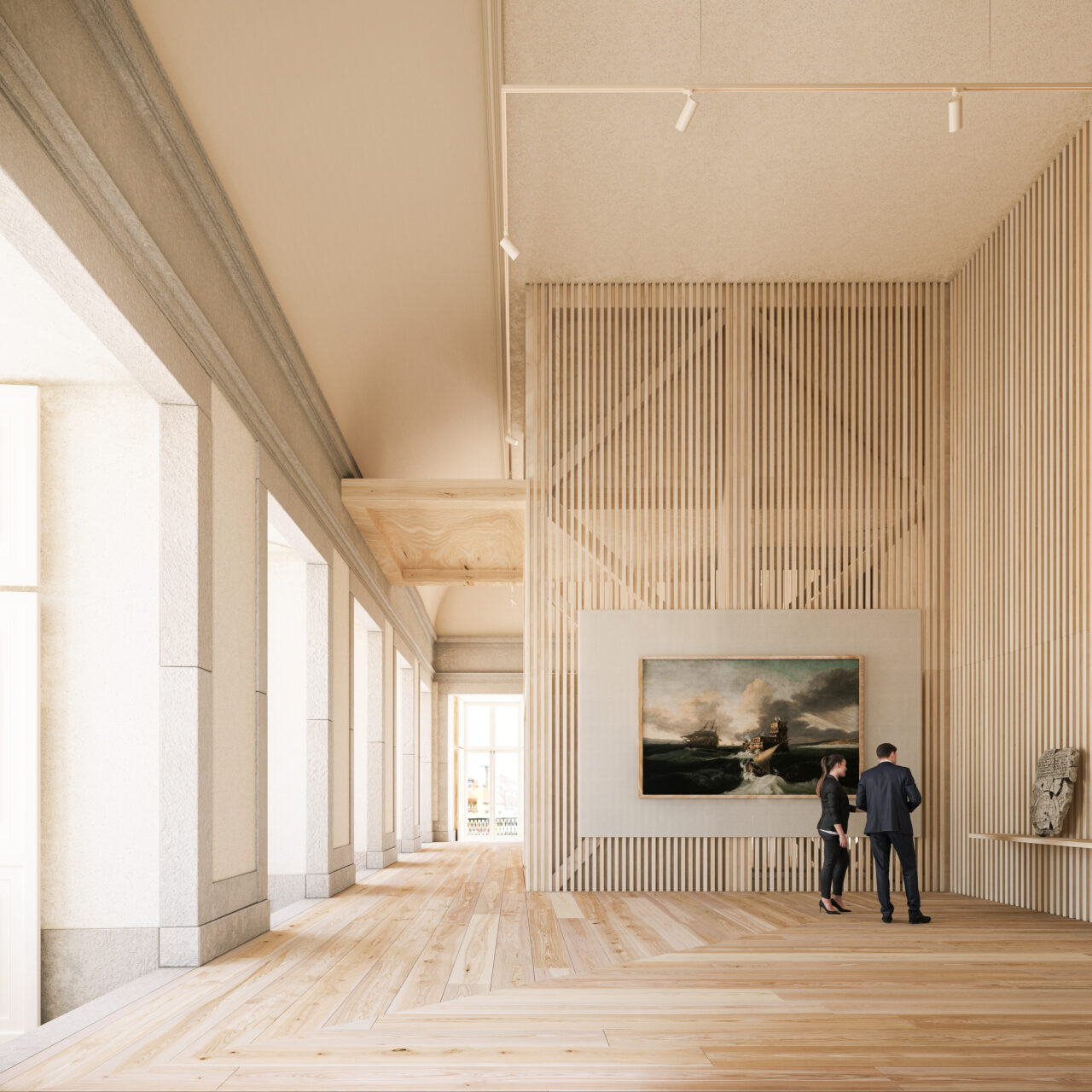
The project for the West Tower (“Torreão Poente”) of Terreiro do Paço is rooted in the preservation and enhancement of a distinctive building from the “pombalina” reconstruction of downtown Lisbon. Envisioned in the 1758 masterplan by Eugénio dos Santos and Carlos Mardel, the West Tower was only completed in 1842, seventy years after the East Tower, incorporating a mixed structure of masonry, timber, and steel.
The intervention is based on the structural consolidation of the building, respecting its original construction logic and the fundamental elements of its architectural identity: perimeter masonry walls, stone columns, ground-floor vaults, timber floors, steel pillars, the monumental staircase, and surviving decorative elements. Operating on the premise that the central steel pillars belong to the original construction, the project advocates for their preservation and celebration.
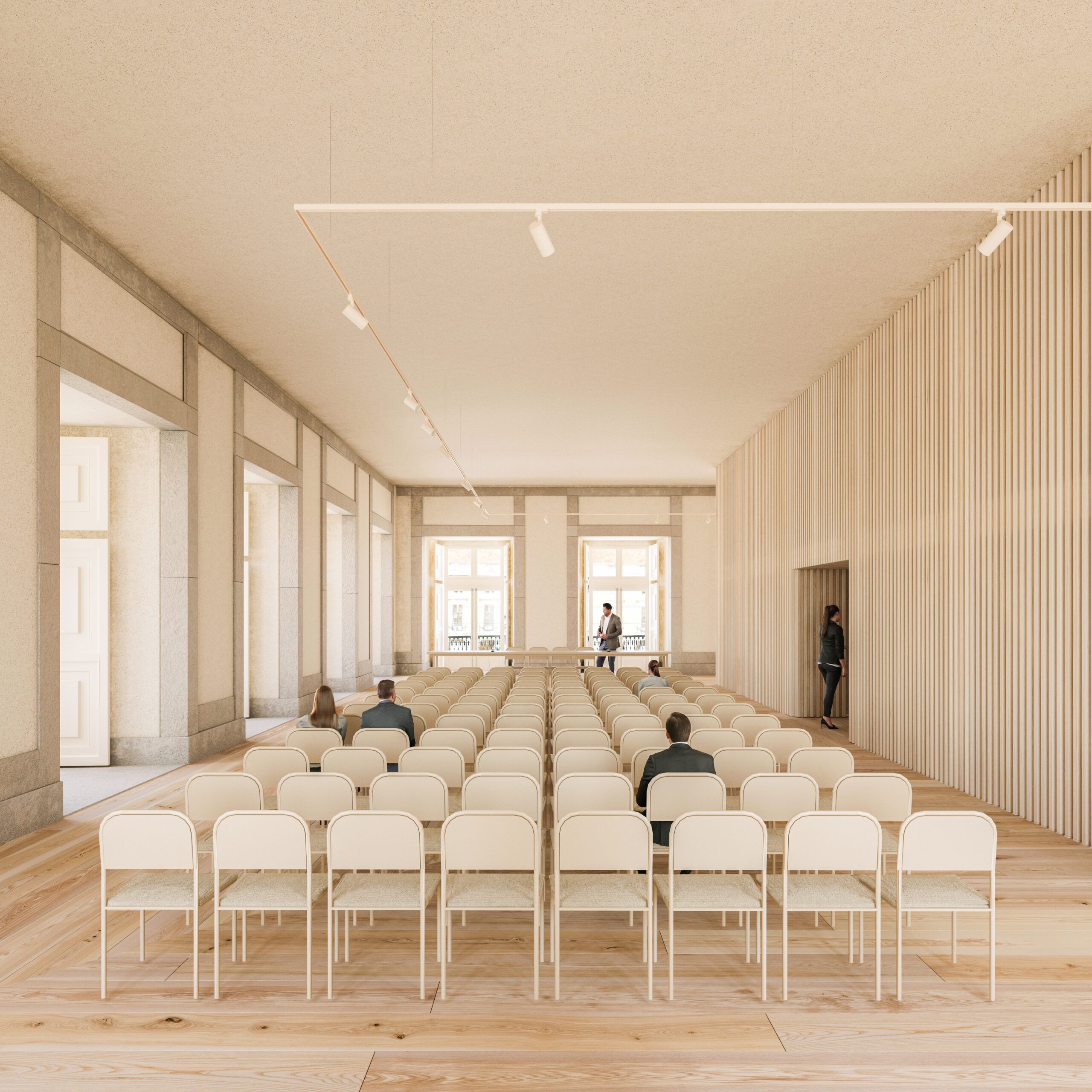
The project introduces a new, cross-shaped central core, conceived as a structural and functional element capable of reinforcing the building while integrating the ancillary spaces required by the new program. This structure allows for the compartmentalization of the floors without compromising the scale of the palatial spaces, ensuring physical and visual continuity along the interior perimeter and creating multi-purpose areas aligned with the spatial tradition of the “Baixa Pombalina”.
Constructed in timber reinforced with metallic components, the new core establishes continuity with the original construction systems. The “riga” pine cladding seeks to recover the material atmosphere of the buildings of “Baixa Pombalina” through color, texture, and presence of wood within the interior. Furthermore, the external surfaces of the cross possess a mutable character, allowing them to accommodate exhibition panels.
The intervention seeks to revive the spirit of the program of “Baixa Pombalina” while simultaneously integrating contemporary requirements for infrastructure, accessibility, and environmental performance. The West Tower is thus repurposed for cultural and exhibition uses, becoming both an exhibition space and an exhibit in its own right.
location lisbon, portugal
project 2025
client câmara municipal de lisboa – international competition
gross floor area 2.650m2
architecture josé adrião – coordinator
ana grácio – co-coordinator
antónio sardo – project manager
carlos jorrim, francisco calha, hugo falcão, maria joão gordalina
structural engineering ncrep
building services engineering ncrep
archeology, conservation and restauration nuno neto
museology bruno marchand, mário valente
existing building photography lorenz iblher
graphic design joão m. machado
3d renderings co.rp

Ler mais